Fully Automated Packaging Production Lines: The Core Driving Force of Modern Manufacturing
In today's era of rapidly advancing global manufacturing, production efficiency and product quality have become pivotal factors for enterprises seeking to establish a foothold in highly competitive markets. As modern equipment integrating advanced technology with efficient management models, fully automated packaging production lines have become an indispensable component for manufacturing enterprises across various sectors. Not only do they significantly boost production efficiency, but they also vastly enhance the quality and consistency of product packaging. This article will explore in detail the operating principles, advantages, and vital role that fully automated packaging production lines play within the landscape of modern manufacturing.
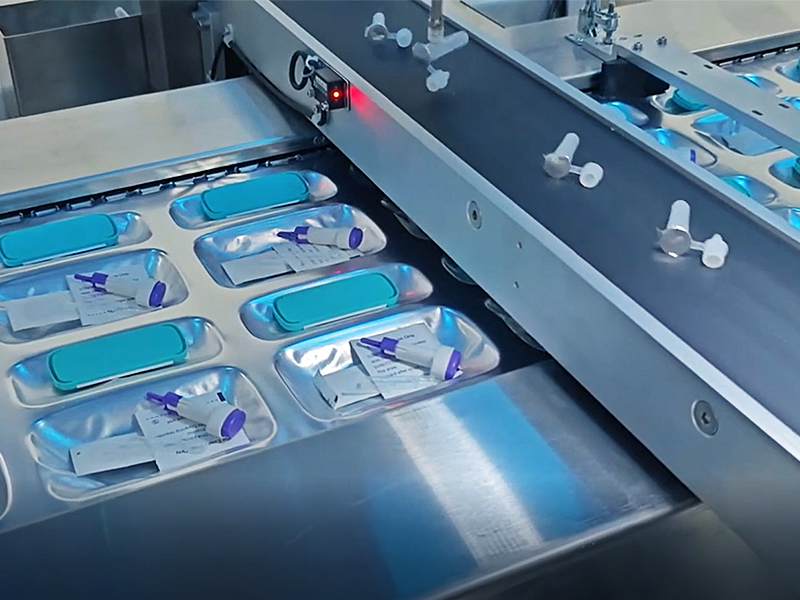
Operating Principles of Fully Automated Packaging Production Lines
A fully automated packaging production line is a system that interconnects various stages of the production process through the use of automated equipment. It primarily comprises multiple functional modules, including product conveying, quantitative filling, sealing and packaging, labeling and coding, as well as inspection and rejection. Coordinated by an automated control system, these modules operate in unison to achieve complete automation—from the input of raw materials to the final packaging of finished products.
1. Product Conveying: The fully automated packaging line begins by automatically transporting products awaiting packaging to their respective workstations via conveyor belts. Modern conveying systems offer the flexibility to adjust transport speeds and directions, thereby accommodating the diverse packaging requirements of different products.
2. Quantitative Filling: In industries such as food, beverages, and cosmetics, quantitative filling constitutes a critical stage of the packaging process. Utilizing precision sensors and control systems, fully automated filling machines accurately dispense materials into packaging containers according to pre-set parameters, thereby ensuring the consistent specifications of every single product unit.
3. Sealing and Packaging: Once the filling process is complete, the production line automatically proceeds to the sealing and packaging stage. Depending on the specific characteristics of the product, the line can employ various sealing methods—such as heat sealing, cold sealing, or vacuum packaging—to ensure that the product remains free from contamination or damage during transit and storage.
4. Labeling and Coding: Following the sealing process, the production line automatically applies labels and codes to the packaged products. Modern labeling machines are capable of applying labels with high speed and precision, while coding equipment can print essential information—such as production dates and batch numbers—as required, thereby enhancing product traceability.
5. Inspection and Rejection: To ensure product quality, the fully automated packaging production line also incorporates an automatic inspection system. This system monitors various parameters in real time during the packaging process—such as fill volume, seal integrity, and label placement. If any non-conforming products are detected, the inspection system automatically rejects them, thereby preventing defective items from entering the market.
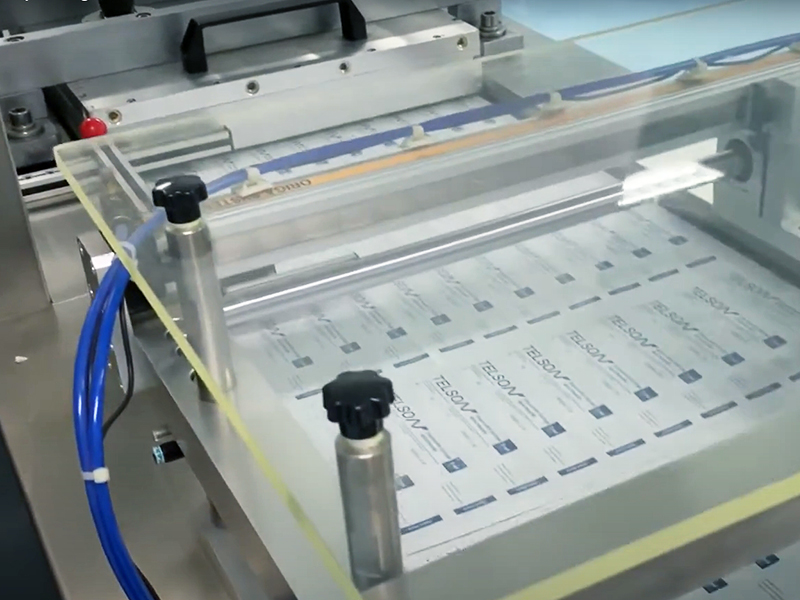
Advantages of Fully Automated Packaging Production Lines
Compared to traditional semi-automated or manual packaging methods, fully automated packaging production lines offer significant advantages. These advantages have enabled fully automated lines to occupy a pivotal position within modern manufacturing.
1. High Production Efficiency: Fully automated packaging lines can significantly boost production efficiency. Their high-speed operation and automated processes drastically reduce the need for manual intervention, thereby shortening production cycles. This efficiency is particularly evident in scenarios involving mass production, enabling enterprises to respond rapidly to market demands.
2. Precise Control: Through advanced automation control systems, fully automated packaging lines can exercise precise control over every stage of the packaging process. This not only ensures the consistency of every individual product but also minimizes errors resulting from manual handling, thereby reducing production costs.
3. Labor Cost Savings: The widespread adoption of fully automated packaging lines has substantially reduced enterprises' reliance on human labor. Particularly in regions where labor costs are high, automated production lines can significantly lower personnel expenses while simultaneously eliminating the uncertainties and safety hazards associated with manual operations.
4. Enhanced Product Quality: Fully automated packaging lines incorporate advanced inspection and rejection systems that monitor product quality in real-time throughout the production process, ensuring that only products meeting established standards reach the market. This not only enhances a product's market competitiveness but also strengthens consumer trust in the brand.
5. High Adaptability: Modern fully automated packaging lines possess a high degree of adaptability and flexibility. Thanks to modular designs and sophisticated software control systems, they can rapidly adapt to the packaging requirements of diverse products. Whether the task involves switching packaging materials, adjusting packaging specifications, or integrating new functional modules, fully automated lines can respond with agility.
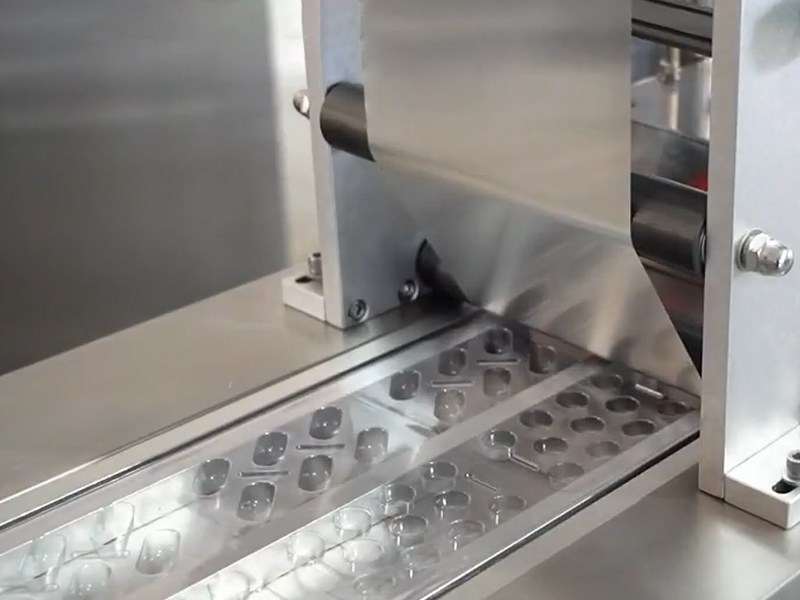
The Application of Fully Automated Packaging Production Lines in Modern Manufacturing
Fully automated packaging production lines are widely utilized across numerous industries, encompassing sectors such as food, beverages, cosmetics, pharmaceuticals, and chemicals. Their inherent flexibility and high efficiency enable them to adapt to diverse production environments and meet a wide range of product requirements.
1. Food and Beverage Industry: In the food and beverage sector, fully automated packaging lines can handle various packaging shapes and types—including bottles, cans, pouches, and more—thereby ensuring both the quality and hygienic safety of the packaged products.
2. Cosmetics Industry: The cosmetics industry places a high premium on packaging aesthetics and consistency. Fully automated packaging lines allow for precise control over filling volumes and sealing methods, ensuring that the packaging of every individual product meets rigorous quality standards.
3. Pharmaceutical Industry: The pharmaceutical industry imposes even stricter requirements on packaging. Fully automated packaging lines are capable of operating within sterile environments, thereby guaranteeing the safety and efficacy of pharmaceutical products.
4. Chemical Industry: Packaging in the chemical industry often involves hazardous or corrosive substances. Through automated and intelligent design, fully automated packaging lines effectively mitigate operational risks and ensure production safety.
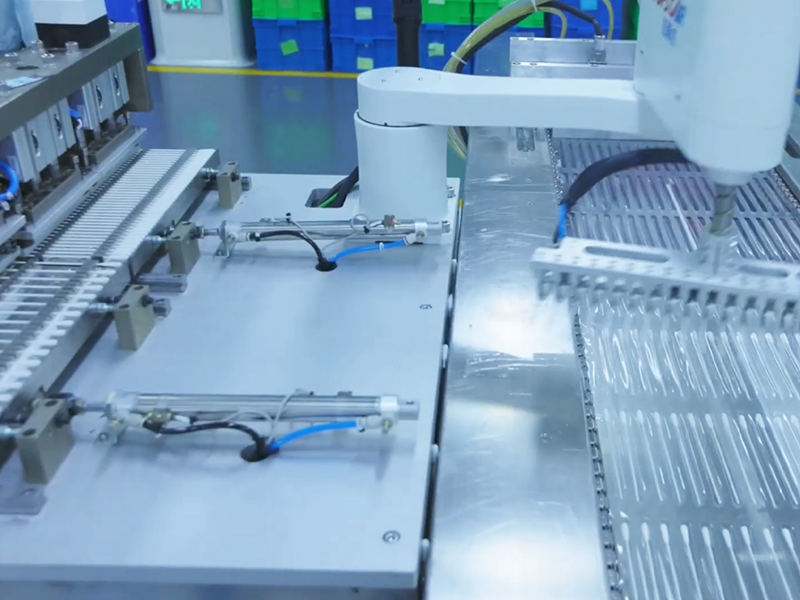
As a core driving force in modern manufacturing, fully automated packaging production lines are continuously propelling improvements in production efficiency and product quality across various industries. Their characteristics—efficiency, precision, and flexibility—make them an indispensable tool for enterprises seeking to maintain a competitive edge in today's fierce market landscape. With the ongoing advancement of automation technologies, fully automated packaging lines are poised to become even more intelligent and modular, opening up new possibilities and avenues for innovation within the manufacturing sector of the future.