Automated Equipment Acceptance: A Critical Link in Ensuring Production Efficiency and Quality
The acceptance of automated equipment is a critical stage in industrial production. It not only governs the commissioning of the equipment but also directly impacts production efficiency, product quality, and corporate costs. This article will explore in detail the process, acceptance criteria, key stages, and significance of automated equipment acceptance within the context of modern industry.
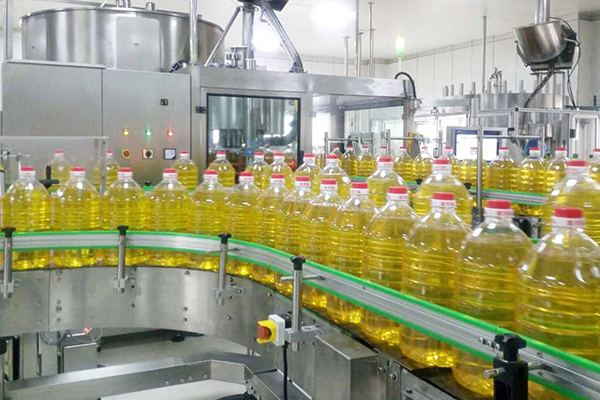
The Process of Automated Equipment Acceptance
The acceptance of automated equipment typically comprises four main steps: arrival inspection, installation and commissioning acceptance, trial run acceptance, and final acceptance.
1. Arrival Inspection: This involves checking the integrity of the equipment's external packaging and verifying that the equipment model, specifications, and quantity align with the original order. Upon the equipment's arrival, each component and accessory is cross-checked against the packing list to identify any defects or omissions.
2. Installation and Commissioning Acceptance: The equipment is installed in strict accordance with the instructions provided by the manufacturer, ensuring that it is securely mounted and correctly positioned. Once installation is complete, preliminary commissioning is conducted to verify the equipment's basic functions and operational status—such as power connections, mechanical transmission systems, and pneumatic connections.
3. Trial Run Acceptance: Following preliminary commissioning, the equipment undergoes a trial run for a specified duration to validate its stability and performance. During this trial run, operational parameters and performance metrics are recorded; potential issues are identified and resolved to ensure the equipment is capable of continuous and stable operation.
4. Final Acceptance: Final acceptance takes place after the equipment has successfully passed the trial run acceptance. This stage involves a comprehensive inspection of the equipment's technical parameters, functionality, production efficiency, and quality indicators. Upon successful acceptance, the equipment is officially commissioned for production use, and the formal acceptance documentation is signed.
Criteria for Automated Equipment Acceptance
The acceptance criteria for automated equipment primarily encompass technical standards, performance standards, and quality standards.
1. Technical Standards: Technical standards pertain to aspects such as the equipment's design specifications, manufacturing processes, and material selection. The equipment manufacturer is required to provide relevant technical documentation—such as design drawings, process flowcharts, and bills of materials—for reference by the acceptance personnel.
2. Performance Standards: Performance standards cover metrics such as the equipment's operating speed, precision, stability, and failure rate. During the acceptance process, the equipment undergoes actual testing to measure these various performance parameters, thereby ensuring full compliance with design requirements and contractual stipulations.
3. Quality Standards: The quality standards encompass the equipment's external appearance, component quality, assembly quality, and other aspects. Acceptance personnel are required to conduct a comprehensive inspection of the equipment to ensure that it is free of external defects, that its components are undamaged, and that its assembly quality complies with the established standards.
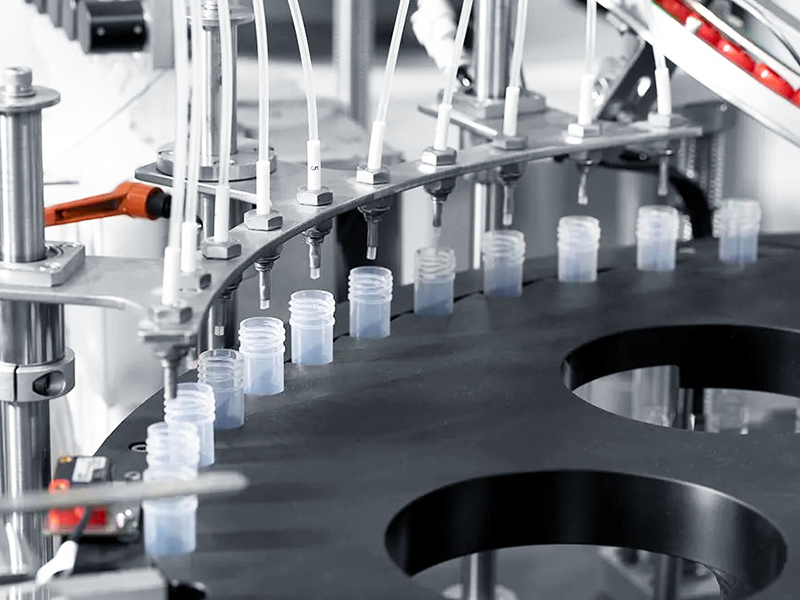
Key Stages in the Acceptance of Automated Equipment
1. Document Review: Prior to acceptance, technical documentation, inspection reports, certificates of conformity, and other materials provided by the equipment manufacturer must be reviewed. Document review is a critical stage in the equipment acceptance process, ensuring that the equipment complies with technical specifications and quality standards.
2. On-site Inspection: On-site inspection encompasses visual checks, component verification, installation checks, operational checks, and other assessments. These inspections must be conducted in strict accordance with established acceptance criteria to ensure that all equipment parameters meet the required specifications.
3. Functional Testing: Functional testing is a pivotal stage for verifying the equipment's performance capabilities. By subjecting the equipment to tests under various operating conditions—and measuring its operational parameters and performance metrics—this process ensures that the equipment is capable of meeting production demands.
4. Issue Resolution: Any issues identified during the acceptance process must be promptly documented and communicated to the equipment manufacturer for resolution. Issue resolution activities may include on-site debugging, component replacement, parameter adjustments, and other measures designed to ensure the equipment functions correctly.
The Importance of Automated Equipment Acceptance
1. Ensuring Production Efficiency: Through rigorous equipment acceptance, it is possible to guarantee that the equipment operates with high efficiency once commissioned, thereby minimizing downtime caused by malfunctions and boosting overall production efficiency.
2. Enhancing Product Quality: Equipment acceptance ensures that the precision and performance of the machinery meet the required standards; this, in turn, guarantees the consistency and stability of the manufactured products, thereby enhancing the enterprise's market competitiveness.
3. Reducing Production Costs: Strict equipment acceptance helps reduce the frequency of maintenance and component replacement required during the equipment's operational lifespan, thereby lowering production costs. Furthermore, issues identified during the acceptance phase can be resolved while the equipment remains under warranty, avoiding the incurrence of additional repair expenses.
4. Ensuring Production Safety: Equipment acceptance serves to identify and eliminate potential safety hazards, thereby guaranteeing the operational safety of the equipment and safeguarding the well-being of production personnel.
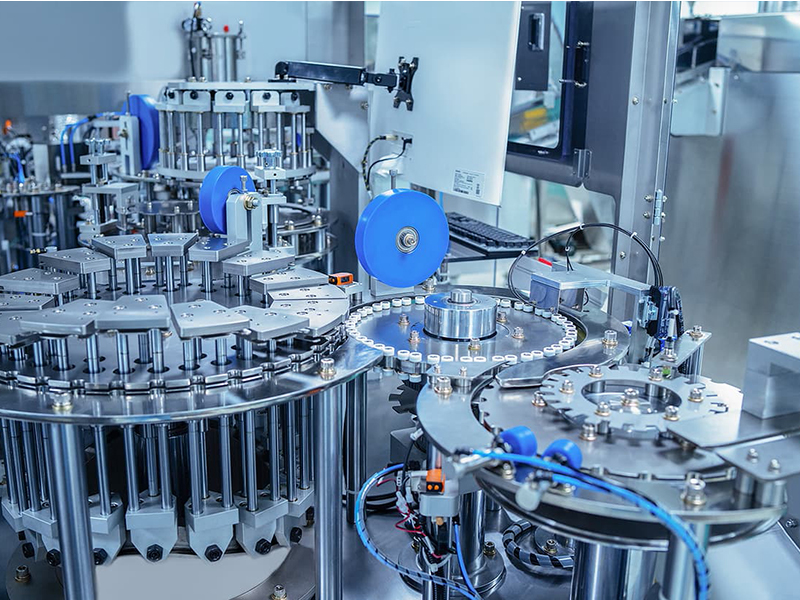
Future Development Trends in Automated Equipment Acceptance
1. Intelligent Acceptance: With the advancement of Industry 4.0, the acceptance process for automated equipment will become increasingly intelligent. Through the use of smart sensors, data acquisition systems, and analytics, real-time monitoring and analysis of equipment status can be achieved, thereby enhancing the accuracy and efficiency of the acceptance process.
2. Remote Acceptance: In the future, remote acceptance technologies will see widespread application. By utilizing tools such as remote video surveillance and Virtual Reality (VR), equipment acceptance and commissioning can be conducted remotely, leading to reduced acceptance costs and improved efficiency.
3. Standardized Acceptance: The acceptance of automated equipment will evolve toward greater standardization. By establishing unified acceptance standards and specifications, the scientific rigor and impartiality of the acceptance process can be enhanced, ensuring consistency in equipment quality and performance.
4. Digitalized Management: Going forward, equipment acceptance will rely increasingly on digital management. By establishing dedicated databases and management systems for equipment acceptance, the digital storage and management of acceptance-related information can be realized, thereby improving the transparency and traceability of the acceptance workflow.
In summary, the acceptance of automated equipment constitutes a critical link in safeguarding production efficiency and quality. Through rigorous acceptance procedures and standards, the stable operation of equipment can be ensured, leading to improved production efficiency and reduced production costs. As technology continues to advance, equipment acceptance will become more intelligent, standardized, and digitalized, providing a more efficient and reliable guarantee for modern industry.