Quantitative Automatic Packaging Machine: A Precise and Efficient Packaging Solution
A quantitative automatic packaging machine is an automated device that integrates material weighing, filling, sealing, and output functions into a single unit. It is widely utilized across various industries, including food, chemicals, pharmaceuticals, and daily consumer goods. Capable of precisely packaging materials into bags, cans, or other formats based on preset weight or volume parameters, this equipment offers significant advantages in terms of boosting production efficiency, reducing labor costs, and ensuring product consistency. This article will provide a detailed overview of the working principles, core advantages, application fields, and future development trends of quantitative automatic packaging machines.
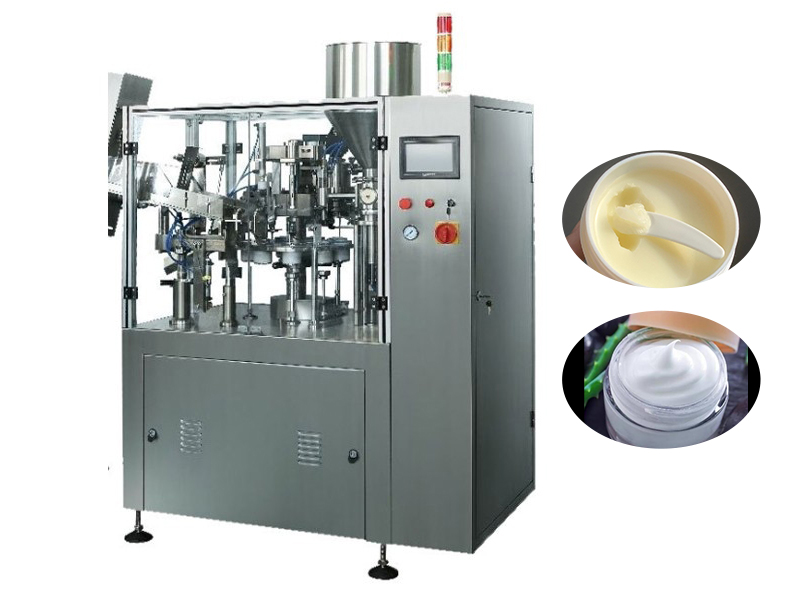
Working Principles of Quantitative Automatic Packaging Machines
The basic workflow of a quantitative automatic packaging machine comprises the following steps:
1. Material Feeding: Materials enter the metering system via a hopper or a conveyor mechanism. Depending on the nature of the material (e.g., granules, powders, or liquids), the feeding method may vary, utilizing devices such as vibrating feeders, screw conveyors, or pumping systems.
2. Quantitative Metering: The metering system constitutes the core component of the quantitative automatic packaging machine, responsible for precisely measuring the weight or volume of the materials. Common metering devices include electronic load cells, flow meters, and volumetric meters. Based on the preset packaging weight or volume, the metering device automatically regulates the material supply to ensure consistency across every package.
3. Filling and Packaging: Once metering is complete, the materials are dispensed into packaging bags or containers. Depending on the specific packaging format, this process may involve operations such as bag forming, liquid filling, or canning. The design of the filling system must take into account the specific characteristics of the materials to prevent waste or damage.
4. Sealing and Output: After the materials have been filled, the packaging bags or containers are automatically sealed. Sealing methods typically include heat sealing, welding, or adhesive bonding. Since the quality of the seal directly impacts the product's shelf life and visual appeal, these machines are typically equipped with high-precision sealing mechanisms. Once sealed, the finished products are transported via a conveyor system to the next stage of processing or directly to the market.
5. Auxiliary Functions: Modern quantitative automatic packaging machines can also integrate a variety of auxiliary functions—such as automatic labeling, coding, dust removal, and counting—to further enhance the functionality and market competitiveness of the packaging.
Key Advantages of Quantitative Automatic Packaging Machines
1. High Precision: Quantitative automatic packaging machines employ advanced metering technologies—such as electronic scales and flow meters—to precisely control the volume of material packaged, thereby ensuring the consistency and accuracy of every package. Precise metering is particularly critical for industries requiring strict control over ingredients and dosages, such as the food and pharmaceutical sectors.
2. High Efficiency: Automated operational workflows significantly boost production efficiency. Compared to traditional manual packaging methods, quantitative automatic packaging machines can execute packaging tasks continuously and rapidly, substantially reducing both labor costs and time consumption.
3. Versatility and Flexibility: The equipment is capable of handling materials in various physical forms—including powders, granules, liquids, and pastes—thereby meeting the diverse packaging requirements of different products. Furthermore, packaging formats can be flexibly adjusted to align with market demands, accommodating options such as pillow pouches, stand-up pouches, bottles, and cans.
4. Cost Savings: Automated equipment reduces reliance on manual labor, thereby lowering labor costs. Additionally, precise metering and filling processes prevent material waste, leading to optimized production costs.
5. Enhanced Product Quality: Through automated and standardized packaging processes, quantitative automatic packaging machines elevate the quality and consistency of product packaging, thereby strengthening the products' competitiveness in the market.
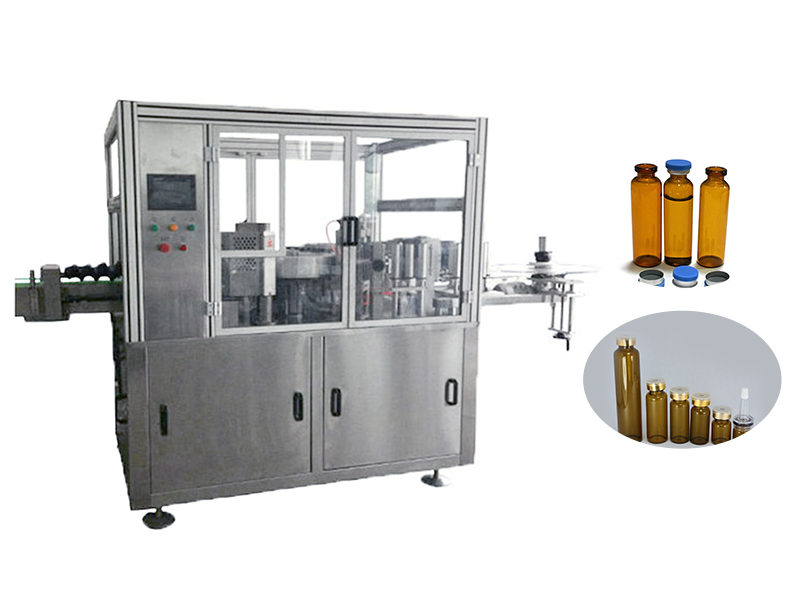
Application Fields of Quantitative Automatic Packaging Machines
1. Food Industry: Widely used for packaging food products such as grains, confectionery, nuts, seasonings, and powdered milk. These machines ensure compliance with food hygiene standards and help extend product shelf life.
2. Pharmaceutical Industry: Employed for the precise quantitative packaging of pharmaceuticals, health supplements, and similar products, ensuring accurate dosing and adherence to the strict quality control standards of the pharmaceutical sector.
3. Chemical Industry: In the packaging of chemical products—including powders, granules, and liquid chemicals—quantitative automatic packaging machines are capable of handling diverse material properties while ensuring safety and stability.
4. Daily Chemicals Industry: Suitable for packaging daily chemical products such as laundry powder, detergents, and skincare items, thereby enhancing product aesthetics and market competitiveness.
5. Other Industries: Including agricultural products, construction materials, and more; quantitative automatic packaging machines meet a wide range of industrial demands through their versatility and high efficiency.
Development Trends in Quantitative Automatic Packaging Machines
1. Intelligentization and Digitalization: Driven by the evolution of Industry 4.0, quantitative automatic packaging machines are advancing toward greater intelligence and digitalization. Intelligent equipment features self-diagnostic, self-regulating, and remote monitoring capabilities, thereby boosting production efficiency and equipment reliability.
2. Energy Conservation and Environmental Protection: Spurred by environmental regulations and market demand, quantitative automatic packaging machines are placing increased emphasis on energy-efficient design—specifically by reducing energy consumption, minimizing packaging material waste, and utilizing biodegradable materials.
3. Modular Design: Modular design facilitates easier equipment maintenance, upgrades, and customization; this allows enterprises to flexibly adjust machine functions according to their specific requirements, thereby adapting to diverse production tasks.
4. Multifunctional Integration: Future quantitative automatic packaging machines will integrate a broader range of functions—such as automatic labeling, coding, and quality inspection—to provide comprehensive, one-stop packaging solutions.
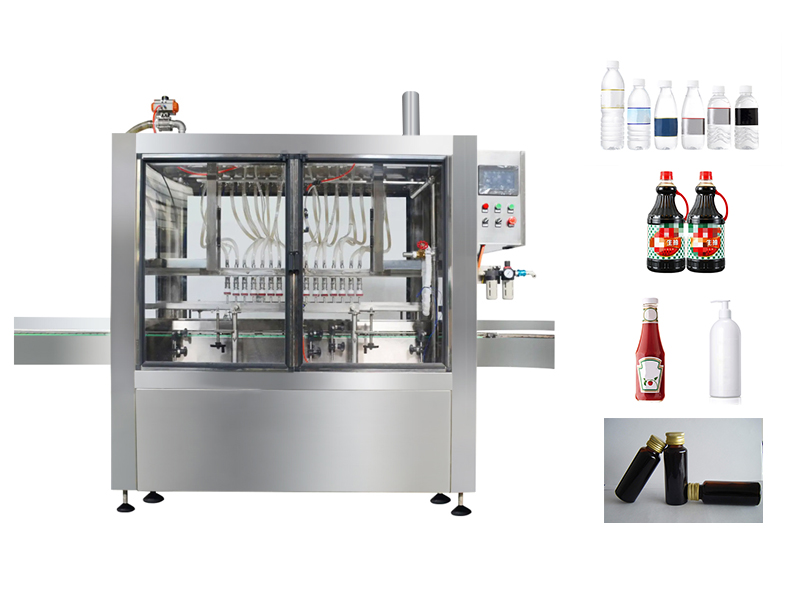
In summary, quantitative automatic packaging machines play a pivotal role in modern manufacturing environments, distinguished by their high efficiency, precision, and flexibility. Driven by technological advancements and shifting market demands, quantitative automatic packaging machines will continue to evolve toward greater intelligence, eco-friendliness, and multifunctional integration, providing various industries with more advanced and efficient packaging solutions.