Fully Automated Production Equipment: The Driving Force of the New Era of the Industrial Revolution
Amidst the global trends in industrial development, fully automated production equipment is playing an increasingly vital role. It not only significantly boosts production efficiency but also demonstrates distinct advantages in areas such as product quality, cost control, and resource utilization. Driven by continuous technological advancements, fully automated production equipment has become an indispensable and integral component of modern industry.
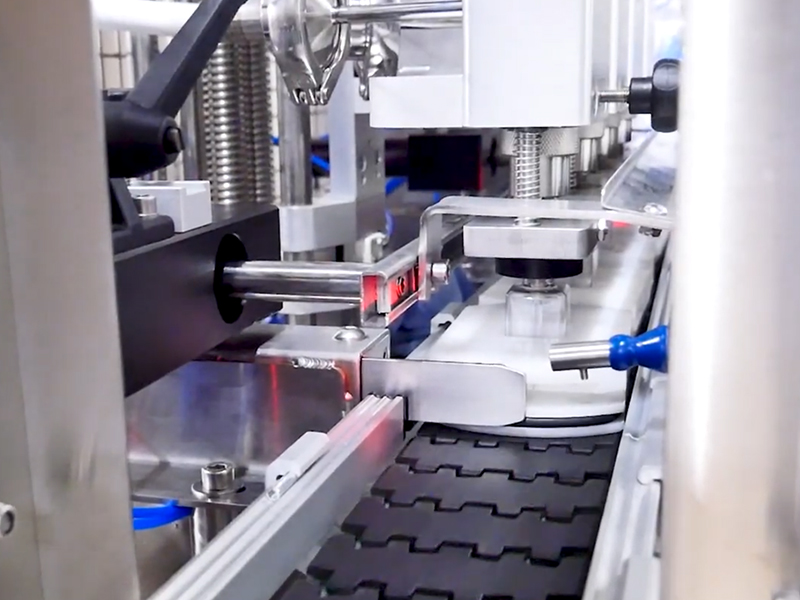
Definition and Characteristics of Fully Automated Production Equipment
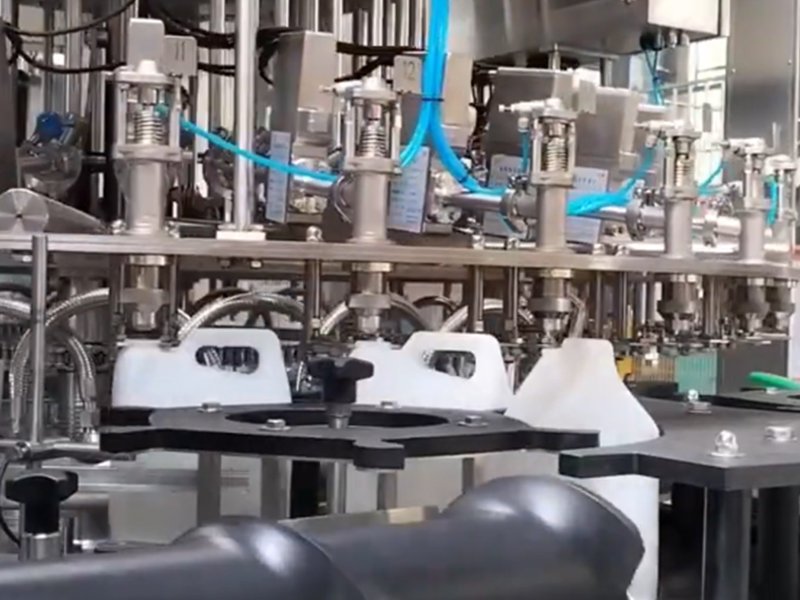
Fully automated production equipment refers to mechanical systems capable of autonomously executing every stage of the production process—including raw material handling, processing, assembly, and inspection. By leveraging advanced control systems and sensor technology, this equipment automates the entire production workflow, thereby minimizing human intervention and enhancing both production efficiency and quality.
Fully automated production equipment possesses the following distinct characteristics:
1. High Efficiency: Fully automated equipment enables continuous, 24-hour production, thereby drastically boosting production efficiency, shortening production cycles, and meeting the demands of large-scale manufacturing.
2. High Precision: Through sophisticated control systems and high-precision sensors, fully automated equipment achieves precise control over the production process, ensuring the consistency and stability of product quality.
3. Flexibility: Modern fully automated equipment features a high degree of flexibility, allowing for the rapid adjustment of production parameters in response to specific manufacturing needs and enabling adaptation to the production requirements of diverse products.
4. Intelligence: Equipped with intelligent control systems, fully automated equipment is capable of autonomous decision-making, self-adjustment, and self-diagnosis of faults, thereby elevating the level of intelligence within production management.
Core Technologies of Fully Automated Production Equipment
The realization of fully automated production equipment relies on the integration and application of various core technologies, including robotics, sensor technology, control systems, artificial intelligence (AI), and the Internet of Things (IoT).
1. Robotics: Robots constitute a critical component of fully automated production equipment; they are capable of performing a wide array of tasks—such as welding, material handling, and assembly—thereby enhancing both production efficiency and quality.
2. Sensor Technology: Sensors play a pivotal role in fully automated production equipment by continuously monitoring various parameters throughout the production process, thereby ensuring precise control over manufacturing operations. 3. Control System: The control system serves as the "brain" of fully automated production equipment; by comprehensively monitoring and regulating the production process, it enables automated and intelligent manufacturing.
4. Artificial Intelligence (AI): Through machine learning and data analytics, AI technology optimizes production workflows, thereby enhancing production efficiency and product quality.
5. Internet of Things (IoT): IoT technology facilitates interconnectivity among devices; through data sharing and collaborative operation, it boosts the overall performance of the production system.
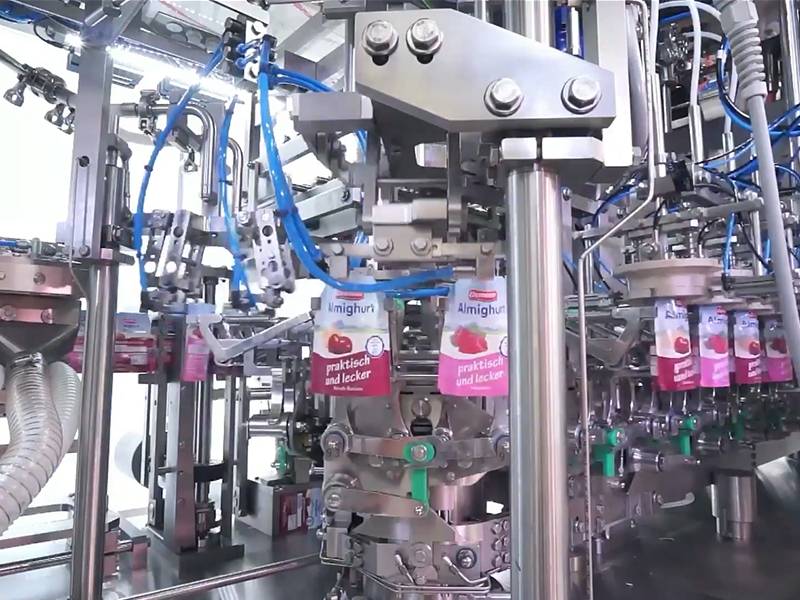
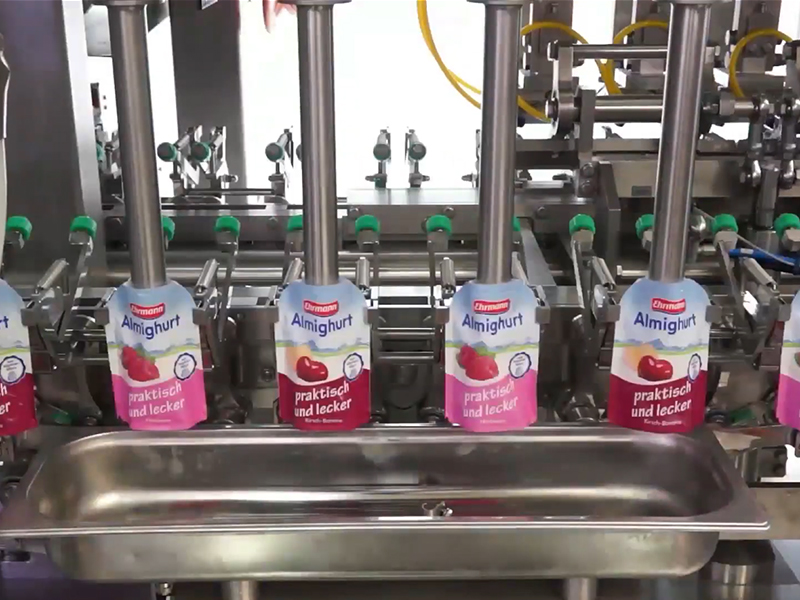
Application Fields of Fully Automated Production Equipment
Fully automated production equipment has found widespread application across numerous industries, including automotive manufacturing, electronics production, food processing, pharmaceutical manufacturing, and home appliance manufacturing.
1. Automotive Manufacturing: In the automotive sector, fully automated equipment is utilized in processes such as body welding, painting, and assembly, significantly boosting production efficiency and product quality.
2. Electronics Production: The manufacturing of electronic products demands high precision and efficiency; fully automated equipment plays a pivotal role in stages such as circuit board assembly and chip packaging.
3. Food Processing: In food processing operations, fully automated equipment is employed for raw material handling, packaging, and inspection, thereby ensuring food safety and quality.
4. Pharmaceutical Manufacturing: Pharmaceutical production imposes extremely stringent requirements on both the manufacturing environment and product quality; fully automated equipment is capable of meeting these high-standard production demands.
5. Home Appliance Manufacturing: Within the home appliance manufacturing process, fully automated equipment enhances production efficiency and ensures product consistency during stages such as component processing and product assembly.
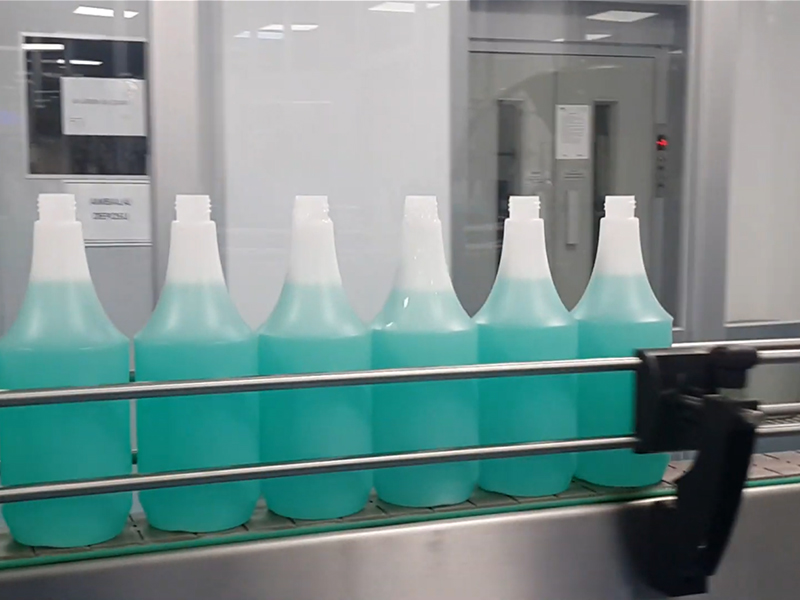
Development Trends in Fully Automated Production Equipment
Driven by continuous technological advancements, fully automated production equipment is evolving toward greater intelligence, eco-friendliness, and modularity.
1. Intelligence: Future fully automated production equipment will increasingly integrate technologies such as artificial intelligence (AI) and the Internet of Things (IoT) to enable intelligent and autonomous production management, thereby enhancing the overall performance of production systems.
2. Eco-friendliness: Heightened environmental awareness is driving the development of fully automated equipment toward greener solutions, involving the adoption of more energy-efficient and eco-friendly materials and technologies to minimize energy consumption and environmental pollution.
3. Modularity: Modular design endows fully automated production equipment with greater flexibility and maintainability, allowing for rapid adjustments and upgrades in response to specific production requirements, thereby enhancing production adaptability.
In summary, as a core driving force in modern industry, fully automated production equipment—distinguished by its high efficiency, precision, and intelligence—is playing an increasingly vital role across a wide spectrum of industries. With continuous technological innovation and deepening application, fully automated production equipment will bring both greater opportunities and challenges to industrial development, propelling global industry into a new era that is more intelligent, efficient, and green.