Liquid Filling Machine Price Analysis: Influencing Factors and Market Trends
Liquid filling machines are among the most widely utilized pieces of equipment in modern industry, employed to precisely fill various liquid products into different types of containers. The price of a liquid filling machine is influenced by a multitude of factors, such as the equipment type, functionality, production capacity, and brand. This article will explore in detail the primary factors affecting the pricing of liquid filling machines, as well as current market price trends.
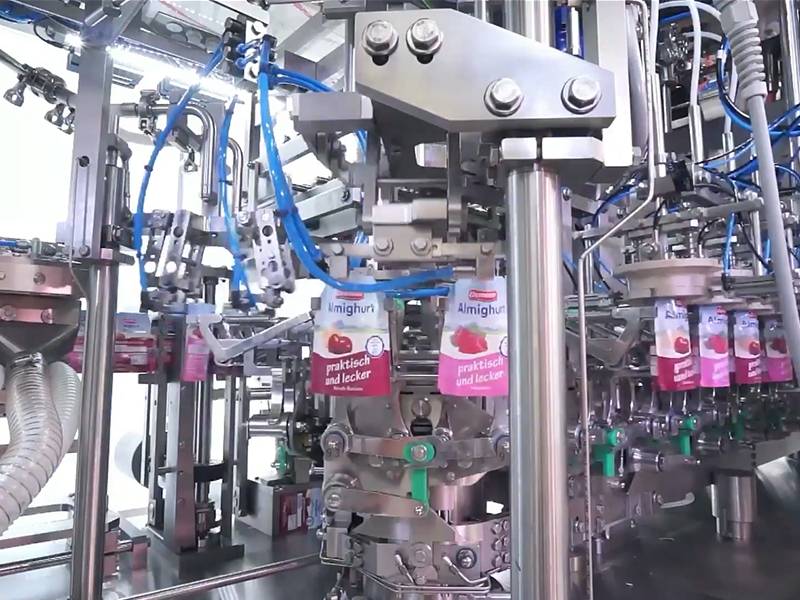
Key Factors Influencing Liquid Filling Machine Prices
1. Equipment Type: Liquid filling machines come in a wide variety of types, including piston fillers, flow meter fillers, rotary fillers, and others. Different types of filling machines are suited to different liquid properties and packaging requirements; consequently, their prices vary significantly. For instance, piston fillers—which are ideal for high-viscosity liquids—typically command a higher price due to their complex structural design and precise control systems.
2. Functionality and Degree of Automation: The functionality and level of automation of a liquid filling machine directly impact its price. Basic semi-automatic filling machines are relatively inexpensive, whereas fully automated systems—which integrate multiple functions such as automatic feeding, metering, filling, and capping—carry a significantly higher price tag. Furthermore, high-end equipment featuring intelligent control systems, automatic fault detection, and remote monitoring capabilities commands an even higher price.
3. Production Capacity: The production capacity of a liquid filling machine—defined as the number of bottles it can fill per minute or per hour—is another critical factor influencing its price. High-capacity equipment typically requires more advanced technology and a more robust structural design to ensure precision and reliability during high-speed operation; as a result, it comes at a higher cost. Conversely, lower-capacity equipment is generally more affordable.
4. Materials and Manufacturing Processes: The materials used and the manufacturing processes employed in a liquid filling machine have a direct bearing on the equipment's durability, stability, and hygienic standards. For example, equipment constructed from stainless steel offers superior corrosion resistance and ease of cleaning, thereby meeting the strict hygiene requirements of the food and pharmaceutical industries—though this comes at a higher cost. Additionally, precision manufacturing techniques and the use of high-quality components increase production costs, thereby driving up the final price of the equipment.
5. Brand and After-Sales Service: Liquid filling machines from renowned brands typically carry a higher price tag. This premium is attributed not only to the inherent added value of the brand itself but also to the fact that these brands generally provide superior technical support, after-sales service, and quality assurance. Excellent after-sales service is crucial for the long-term operation of equipment, encompassing aspects such as equipment maintenance, spare parts supply, and technical training.
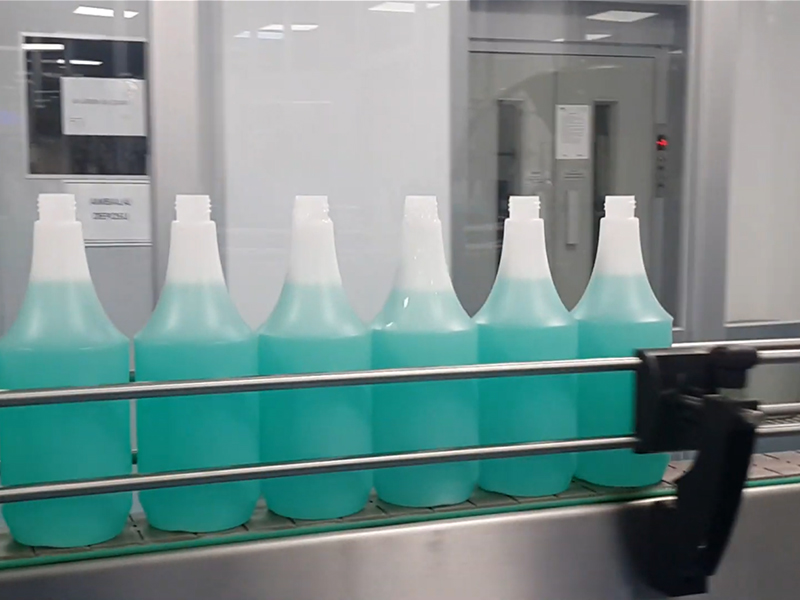
Market Price Trends for Liquid Filling Machines
1. Price Range: The price range for liquid filling machines is extensive, varying from a few thousand to several hundred thousand yuan. Simple manual or semi-automatic filling machines typically fall within the range of a few thousand to tens of thousands of yuan, whereas feature-rich, highly automated liquid filling machines can reach prices of several hundred thousand yuan or even higher. The specific price is determined by the combined influence of the various factors mentioned above.
2. Market Demand: As requirements for automated production rise across various industries, market demand for liquid filling machines continues to grow. Industries such as food and beverage, pharmaceuticals and chemicals, and daily consumer goods are seeing an increasing need for efficient and precise filling capabilities, thereby driving the market share of high-end liquid filling machines. Such equipment is not only expensive but also subject to fierce market competition; consequently, technological sophistication and after-sales service have become key differentiators in brand competition.
3. Technological Advancements: Driven by technological progress, the technical sophistication of liquid filling machines is constantly improving, leading to ever-higher levels of equipment intelligence and automation. Intelligent equipment enables functions such as remote monitoring, automatic adjustment, and data analysis, providing enterprises with more efficient production solutions. Although the integration of these technologies increases equipment costs, it simultaneously boosts production efficiency and product quality, making such equipment increasingly popular in the market.
4. Imported vs. Domestic: Imported liquid filling machines typically command higher prices, primarily due to their brand prestige and advanced technology. However, as domestic manufacturing capabilities continue to improve, domestically produced liquid filling machines have gained a competitive edge in terms of cost-effectiveness—making them particularly popular within the small and medium-sized enterprise (SME) market. Domestic equipment is steadily improving in terms of technical performance, pricing, and after-sales service, thereby gradually earning the trust of a growing number of users.
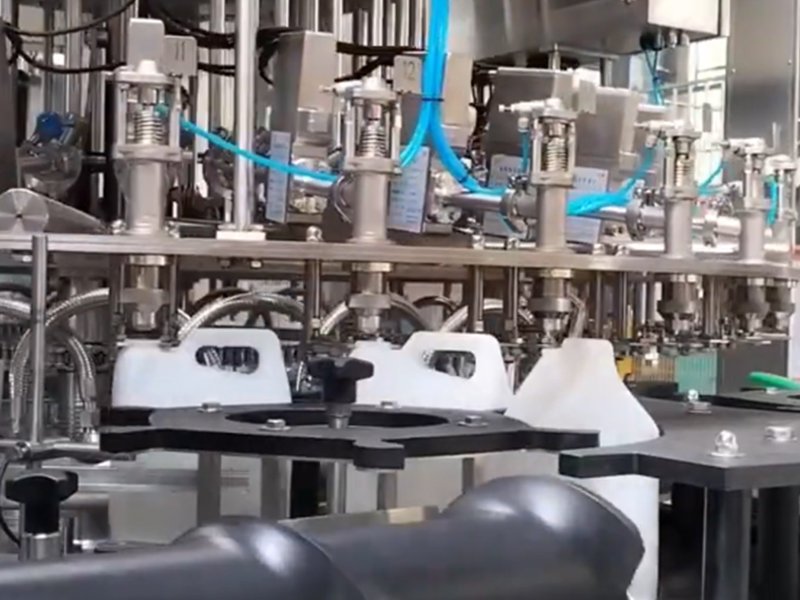
How to Choose the Right Liquid Filling Machine
When purchasing a liquid filling machine, enterprises should select the appropriate equipment based on their specific production requirements, budget, and product characteristics. The following points offer helpful guidance:
1. Clarify Production Requirements: Determine the specific type and specifications of the equipment needed based on factors such as the product type, viscosity, and production output volume.
2. Prioritize Equipment Quality and Brand Reputation: Choose brands known for reliable quality and comprehensive after-sales service to ensure the long-term, stable operation of the equipment. 3. Consider Cost-Effectiveness: While ensuring that production requirements are met, select equipment that offers high value for money to avoid overinvestment.
4. Technical Support and After-Sales Service: Choose suppliers that provide comprehensive technical support and after-sales services to ensure effective routine maintenance and the prompt resolution of unexpected malfunctions.
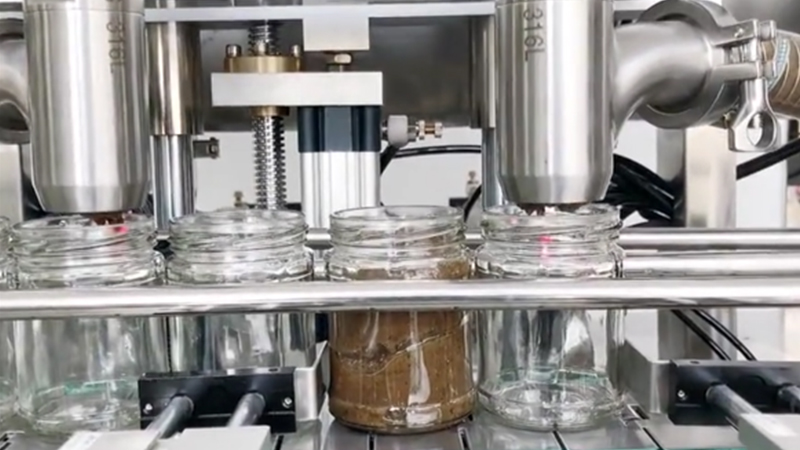
In summary, the price of liquid filling machines is influenced by a multitude of factors, while market demands and technological trends are also in a constant state of flux. When making a selection, enterprises should comprehensively evaluate factors such as equipment functionality, quality, and after-sales service to ensure investment efficiency and long-term returns.