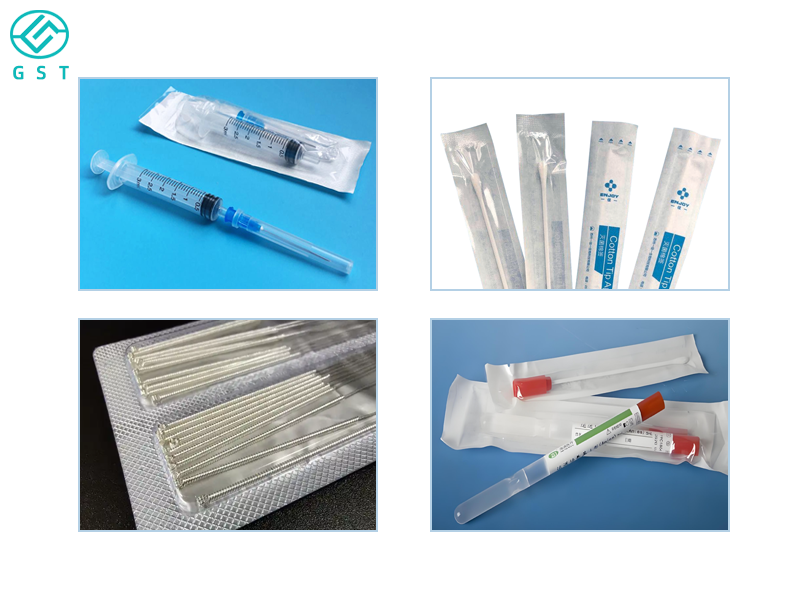
Automatic Swab Packaging Machine: An Efficient Assistant for the Healthcare Industry
With the continuous advancement of the healthcare industry and the growing global emphasis on public health safety, the demand for medical swabs has surged dramatically. To enhance production efficiency and product quality, automated swab packaging machines have emerged as a vital solution. This advanced equipment not only significantly accelerates the packaging speed of swabs but also demonstrates distinct advantages in maintaining sterile environments, reducing labor costs, and ensuring packaging consistency.
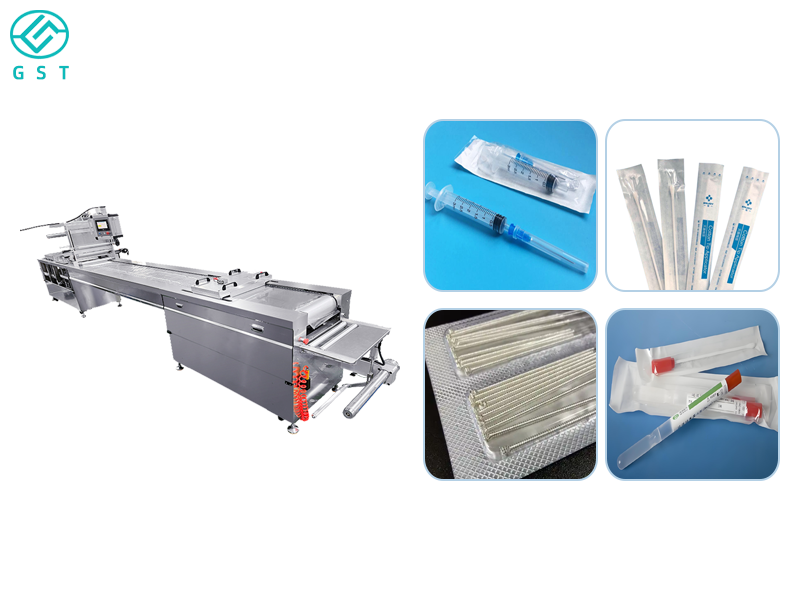
Definition and Working Principles of Automated Swab Packaging Machines
An automated swab packaging machine is specialized equipment designed specifically for the automatic packaging of swab products; it is capable of autonomously executing a series of operations, including feeding, sorting, packaging, and sealing. By utilizing high-precision sensors and intelligent control systems, the automated packaging machine ensures that the entire packaging process remains both highly efficient and hygienic.
Its working principles primarily encompass the following steps:
1. Feeding: Swabs are automatically introduced into the packaging machine via a feeding system. This system identifies and aligns the swabs, ensuring that each individual swab is positioned accurately.
2. Sorting: The automated packaging machine is equipped with high-precision sorting mechanisms capable of classifying and separating swabs according to pre-configured packaging specifications.
3. Packaging: Once sorted, the swabs are conveyed to the packaging zone, where robotic arms place them into packaging pouches.
4. Sealing: The packaging pouches are sealed—typically via heat sealing or other sealing methods—to guarantee the airtightness and sterility of the package.
5. Inspection and Output: Upon completion of the packaging process, the automated machine utilizes inspection devices to perform quality checks; compliant products are then transported to the output area, while non-compliant products are automatically rejected.
Advantages of Automated Swab Packaging Machines
1. High Efficiency: Automated swab packaging machines enable continuous, high-volume packaging operations, thereby substantially boosting production efficiency. Compared to traditional manual packaging methods, these automated machines operate at a much faster pace, allowing manufacturers to effectively meet the immense market demand for swab products.
2. Packaging Quality Consistency: Through a sophisticated control system and high-precision sensors, the automated swab packaging machine ensures consistent packaging quality for every single swab, thereby minimizing quality variations caused by human factors.
3. Sterility: Medical swabs are subject to extremely rigorous sterility requirements; the automated packaging machine operates within a sterile environment, eliminating manual contact and contamination to ensure the hygienic safety of the product.
4. Reduced Labor Costs: Automated packaging machines reduce reliance on manual labor, thereby lowering labor costs for enterprises. Concurrently, they reduce the physical intensity of work for employees and enhance safety within the work environment.
5. Intelligent Management: Automated swab packaging machines are typically equipped with intelligent control systems capable of monitoring the production process in real time, promptly detecting and addressing anomalies to enhance the stability and reliability of production operations.
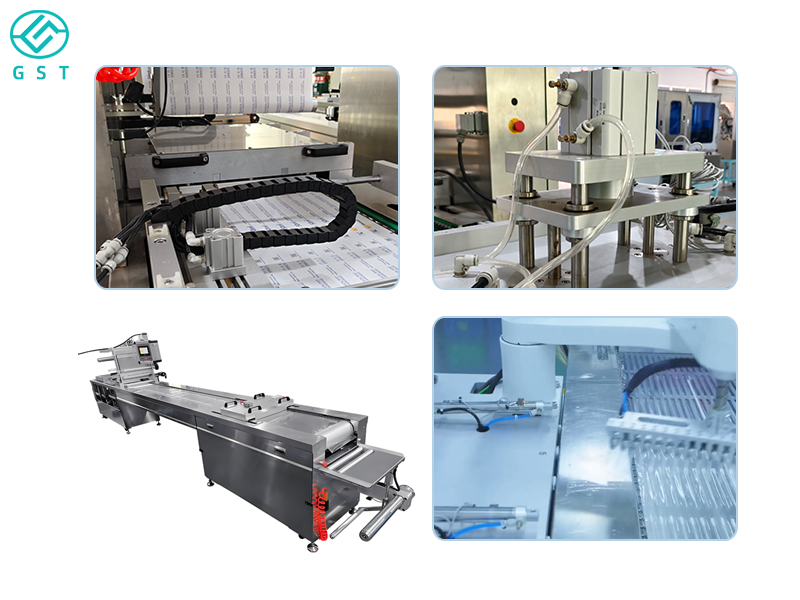
Application Areas of Automatic Swab Packaging Machines
Automatic swab packaging machines are widely utilized in the healthcare industry, particularly in fields such as COVID-19 testing, influenza testing, and bacterial culture.
1. COVID-19 Testing: During the pandemic, the demand for viral testing swabs surged. Automatic swab packaging machines enable the efficient, large-scale production and packaging of testing swabs, thereby ensuring the smooth execution of epidemic prevention and control efforts.
2. Influenza Testing: During the flu season, the demand for testing swabs is similarly high. Automatic swab packaging machines assist manufacturers in rapidly responding to market demands and supplying an adequate quantity of testing swabs.
3. Bacterial Culture: In laboratory settings, bacterial culture swabs are frequently used consumables. Automatic packaging machines ensure the sterile packaging of these swabs, thereby preventing contamination from compromising experimental results.
Development Trends of Automatic Swab Packaging Machines
Driven by technological advancements and shifting market demands, automatic swab packaging machines are evolving toward greater intelligence, eco-friendliness, and multifunctionality.
1. Intelligence: Future automatic swab packaging machines will increasingly integrate technologies such as the Internet of Things (IoT), big data, and artificial intelligence (AI) to achieve more intelligent production management and quality control. Through data analysis and machine learning, these devices will be able to automatically optimize packaging workflows, thereby enhancing production efficiency and product quality.
2. Eco-friendliness: Heightened environmental awareness is driving the development of automatic swab packaging machines toward greener solutions. This involves the adoption of more eco-friendly materials and energy-saving technologies to minimize packaging waste and reduce environmental impact.
3. Multifunctionality: Automatic swab packaging machines will acquire expanded capabilities—such as automatic label printing, labeling application, and automated inspection—to meet the diverse requirements of various products and markets.
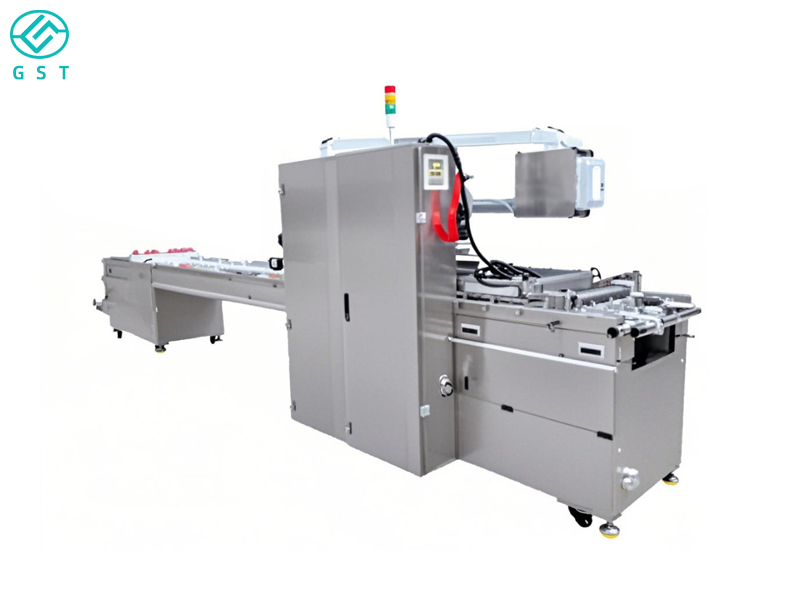
In summary, as a vital piece of equipment within the healthcare sector, automatic swab packaging machines—leveraging their advantages of high efficiency, superior quality, and intelligence—are driving the modernization and automation of swab production and packaging processes. Moving forward, as technological innovation continues and applications deepen, automatic swab packaging machines will present both new opportunities and challenges to the healthcare industry, ultimately fostering its high-quality development.