Automatic Glue Filling Machine: A Key Equipment for Enhancing Production Efficiency and Quality
In modern manufacturing, adhesives serve as vital bonding agents and are widely utilized across industries such as electronics, furniture, toys, and construction. To enhance both production efficiency and packaging quality, automatic adhesive filling machines have emerged as an indispensable solution. This advanced filling equipment not only facilitates high-precision quantitative filling but also significantly reduces production costs and elevates product quality. This article will provide a detailed exploration of the operating principles, key features, application fields, and the distinct advantages of automatic adhesive filling machines within the context of modern manufacturing.
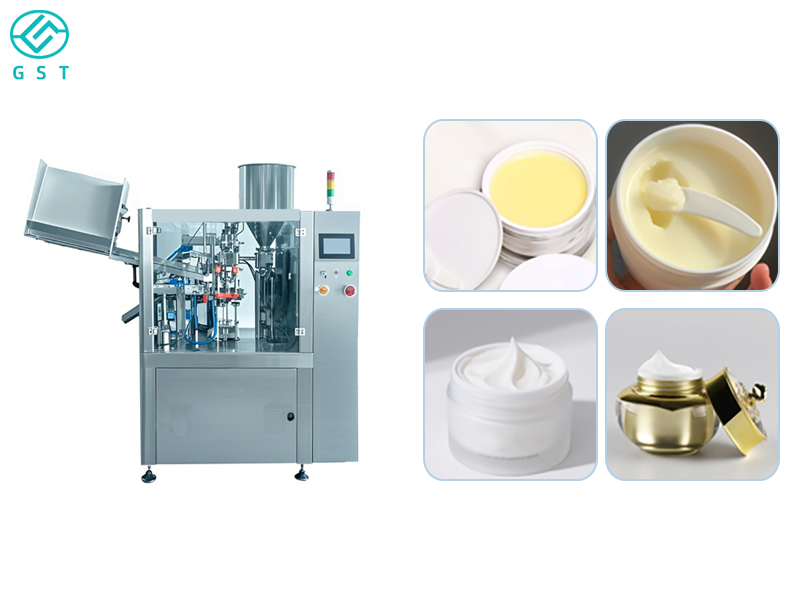
The core operating principle of an automatic adhesive filling machine lies in utilizing automation technology to achieve precise quantitative filling and sealed packaging of adhesives. The operational process typically encompasses the following steps:
1. Feeding System: A conveyor pump transfers the adhesive from a storage tank into the filling machine's hopper, ensuring a continuous supply of adhesive throughout the filling process.
2. Bottle Positioning: A conveyor belt transports empty bottles to the designated filling station, where an automatic positioning system precisely aligns each bottle directly beneath the filling head.
3. Quantitative Filling: The filling head accurately dispenses the adhesive into the bottles according to a preset filling volume. This process typically employs high-precision metering pumps and sophisticated control systems to ensure the accuracy and consistency of the fill volume.
4. Capping and Sealing: Once filling is complete, an automatic capping system places the caps onto the bottles. Subsequently, capping or screwing mechanisms are utilized to securely seal the caps, thereby guaranteeing the airtightness and safety of the packaging.
5. Inspection and Packaging: After capping, the filled adhesive bottles proceed to an inspection zone for quality control checks. Products that pass inspection then move on to the final packaging stage—which may include bundling, labeling, and other processes—to complete the entire production cycle.
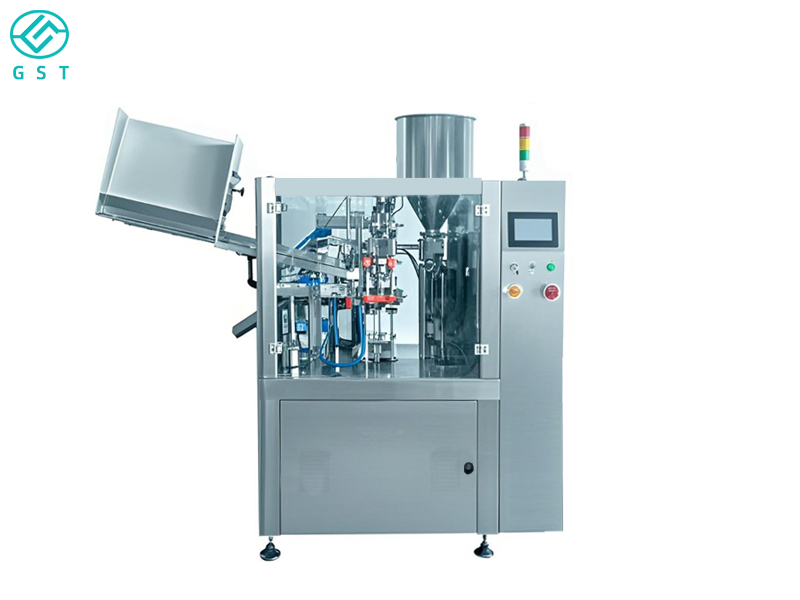
Key Features of Automatic Adhesive Filling Machines
1. High Efficiency: Fully automated operation significantly boosts filling efficiency, making the equipment ideally suited for meeting the demands of large-scale production. Compared to traditional manual filling methods, automatic adhesive filling machines can complete a massive volume of filling tasks within a remarkably short timeframe.
2. Precision: Equipped with high-precision metering pumps and advanced control systems, the machine is capable of precisely regulating the fill volume for every single bottle of adhesive, thereby ensuring the consistency and stability of the final product. 3. Intelligence: Integrates an intelligent control system and a human-machine interface, offering simple operation and enabling rapid adjustments and parameter settings to accommodate various adhesives and packaging specifications.
4. Versatility: Compatible with a wide variety of adhesives—such as white glue, instant adhesives, and epoxy resins—making it widely applicable across numerous industries.
5. Stability: Constructed using high-quality materials and advanced mechanical designs, the equipment ensures stable and reliable operation with low maintenance costs.
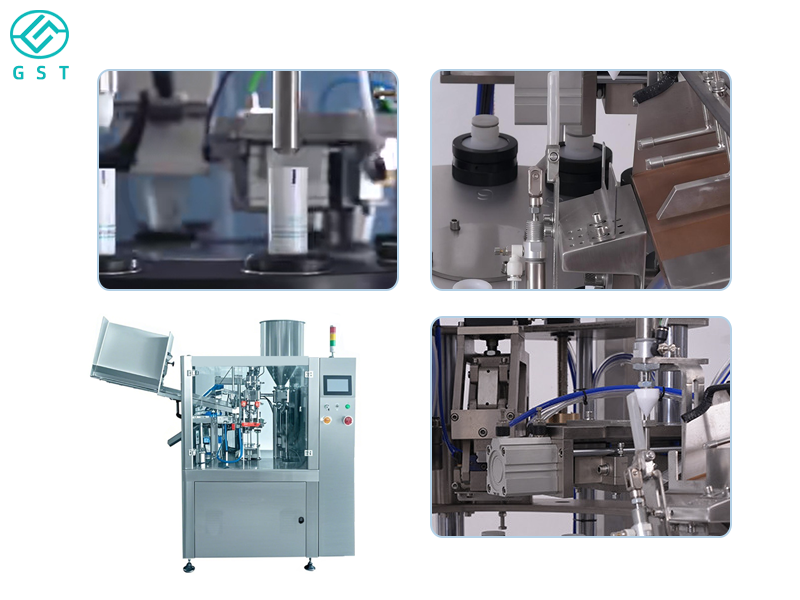
Automatic glue filling machines find widespread application across numerous industries, primarily encompassing the following sectors:
1. Electronics Industry: Used for filling glue into electronic components—such as for dispensing on circuit boards or for encapsulation—thereby ensuring the reliability and durability of electronic products.
2. Furniture Industry: Employed in furniture manufacturing for tasks such as wood splicing and panel bonding, enhancing both the structural stability and aesthetic appeal of the furniture.
3. Toy Industry: Utilized in toy production for processes like the bonding and assembly of plastic toys, ensuring the safety and durability of the finished products.
4. Construction Industry: Applied to construction materials—such as tile adhesives and sealants—to boost the efficiency and quality of construction projects.
5. Other Industries: Applicable to various other sectors requiring glue filling operations, including packaging, automotive manufacturing, and more.
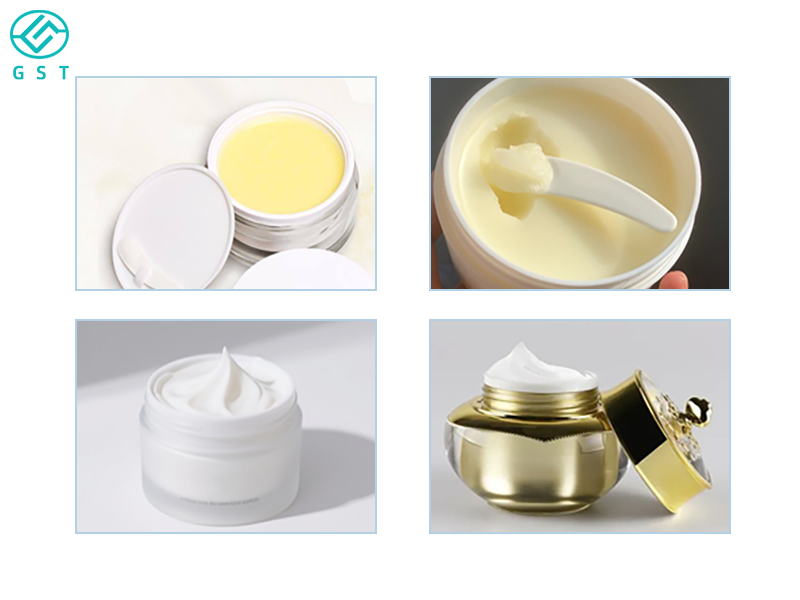
Advantages of Automatic Glue Filling Machines
1. Increased Production Efficiency: Automatic glue filling machines enable continuous, high-speed filling and packaging operations, thereby significantly boosting production efficiency. Traditional manual filling methods are inefficient and struggle to meet the demands of large-scale production; in contrast, automated equipment can complete massive filling tasks within a short timeframe, effectively satisfying market demand.
2. Enhanced Product Quality: High-precision metering pumps and advanced control technologies ensure that the fill volume in every bottle of glue is accurate and consistent. This eliminates deviations in package weight, thereby elevating both product quality and market competitiveness. Furthermore, automated operations minimize human error, resulting in greater precision and consistency throughout the filling process.
3. Improved Production Safety: Automatic glue filling machines feature a fully enclosed design that minimizes external contamination of the glue during the filling process, thereby ensuring product hygiene and safety. Additionally, automated operation reduces the physical labor burden on workers and mitigates the risk of exposure to hazardous substances, thereby enhancing overall safety within the production environment.
4. Reduced Production Costs: Although the initial capital investment for an automatic glue filling machine may be relatively high, its high-efficiency production capabilities and low operating costs ultimately lead to a significant reduction in overall production costs. Automated equipment reduces reliance on manual labor, thereby lowering both labor and management costs. Furthermore, highly efficient filling operations and precise control mechanisms minimize adhesive waste, leading to improved resource utilization.
5. Enhanced Production Flexibility: Modern automated adhesive filling machines are characterized by a high degree of flexibility, enabling rapid adjustments and seamless transitions to accommodate varying adhesive types and packaging requirements. By swapping filling heads, adjusting operational parameters, and updating software, the equipment can adapt to the filling needs of adhesives across a wide range of specifications and types, thereby meeting the diverse demands of the market.
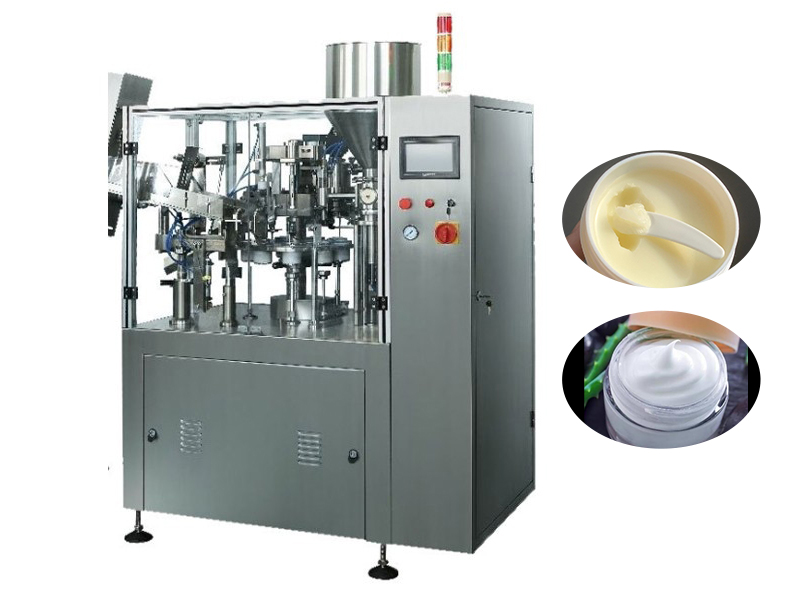
Distinguished by their efficiency, precision, intelligence, and flexibility, automated adhesive filling machines are currently spearheading a transformative shift within the adhesive filling industry. These machines offer significant advantages in terms of boosting production efficiency, enhancing product quality, bolstering operational safety, and reducing manufacturing costs; consequently, they have emerged as a vital tool for enterprises across various sectors seeking to bolster their market competitiveness. Driven by continuous technological advancements, automated adhesive filling machines will continue to evolve, bringing forth a wealth of new innovations and opportunities for the industry. In the future, these machines will continue to play a pivotal role in propelling the filling industry toward a trajectory of high efficiency, intelligence, and sustainable development.