Characteristics of Automated Equipment: The Core Driving Force of Modern Manufacturing
With the continuous advancement of technology, automated equipment has found widespread application across various industries, becoming an indispensable and vital component of modern manufacturing. By integrating advanced sensing technologies, control systems, and information technology, automated equipment enables highly efficient, precise, and flexible production operations. This article explores the key characteristics and advantages of automated equipment, while also analyzing its profound impact on the development of the manufacturing sector.
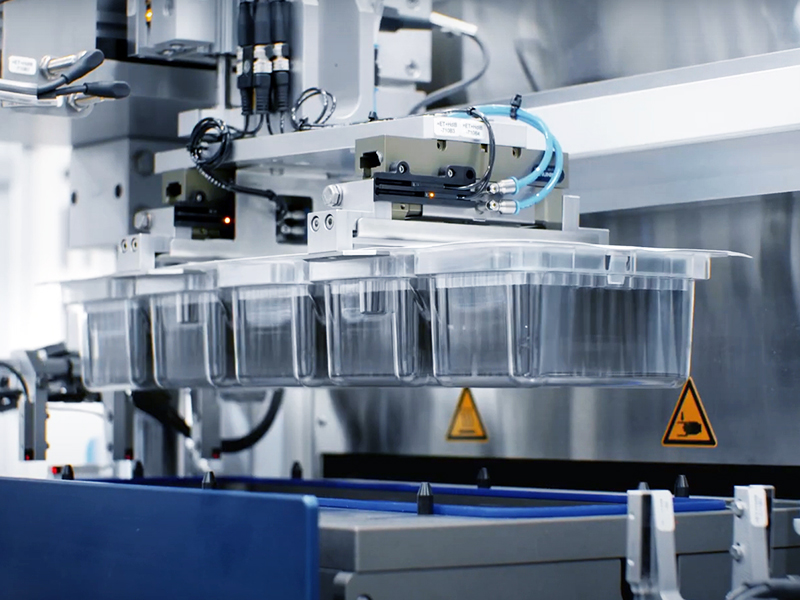
Key Characteristics of Automated Equipment
1. Efficiency: Automated equipment can significantly boost production efficiency. By optimizing process workflows and equipment configurations, it facilitates continuous, high-speed production operations. Automated systems are capable of completing large-scale production tasks within short timeframes, thereby reducing the need for manual labor and minimizing production wait times.
2. Precision: Equipped with high-precision sensors and control systems, automated machinery can precisely govern every stage of the production process, thereby ensuring the stability and consistency of product quality. The high-precision operations performed by automated equipment minimize human error, leading to enhanced product accuracy and uniformity.
3. Flexibility: Modern automated equipment features a high degree of adjustability and adaptability, allowing for rapid reconfiguration and switching to meet diverse product specifications and market demands. Through the interchange of molds, parameter adjustments, and software upgrades, automated systems can readily accommodate the production requirements for products of various sizes and shapes.
4. Intelligence: Automated equipment extensively leverages technologies such as the Internet of Things (IoT), Big Data, and Artificial Intelligence (AI) to facilitate intelligent monitoring, data analytics, and production optimization. These intelligent systems are capable of monitoring, recording, and analyzing various real-time data points throughout the production process, thereby driving the adoption of intelligent management practices within enterprises.
5. Safety: Automated equipment is outfitted with a comprehensive array of safety protection devices and systems designed to effectively mitigate potential hazards during production and safeguard the well-being of operators. By automating tasks, these systems reduce the physical exertion required of workers, thereby enhancing both the safety and comfort of the work environment.
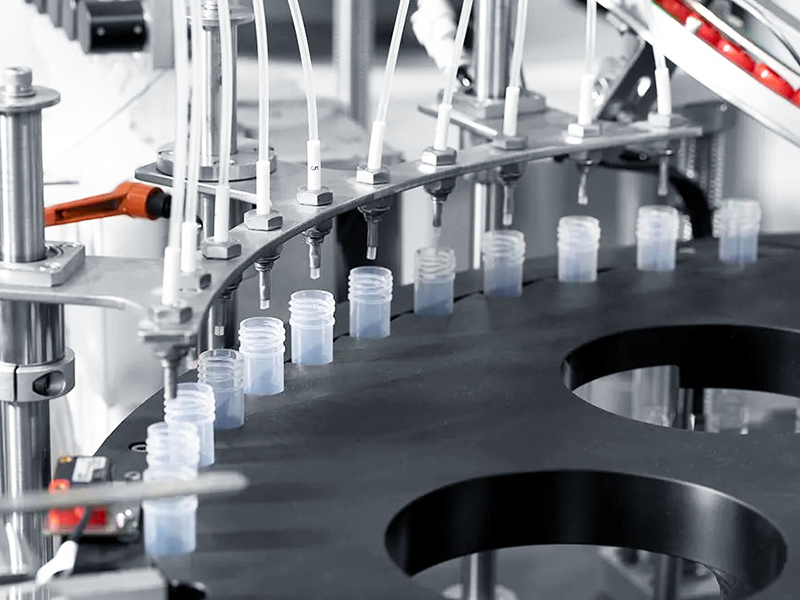
Key Advantages of Automated Equipment
1. Increased Production Efficiency: Automated equipment significantly boosts production efficiency by minimizing manual labor and optimizing production workflows. Traditional manual production methods often require extensive human intervention and frequent adjustments, whereas automated systems enable continuous, high-speed operations, thereby reducing waiting times and downtime during the production process. For instance, in the automotive manufacturing sector, automated equipment can assemble a vast number of components in a short timeframe, dramatically accelerating production speed and efficiency.
2. Enhanced Product Quality: Equipped with advanced sensors and control systems, automated machinery can monitor and regulate every stage of production in real-time, ensuring the consistency and stability of product quality. The high-precision operations characteristic of automated equipment minimize human error, thereby improving the accuracy and uniformity of the final products. For example, in electronics manufacturing, automated systems can precisely control every solder joint and assembly step, guaranteeing that every single product meets rigorous quality standards.
3. Reduced Production Costs: Although the initial capital investment for automated equipment can be substantial, its high-efficiency production capabilities and lower operating expenses lead to a significant reduction in overall production costs. Automated systems reduce the reliance on human labor, thereby lowering both labor and administrative costs. Furthermore, efficient production and precise control minimize raw material waste and optimize resource utilization. For instance, in the food processing industry, automated equipment can precisely regulate the usage of raw materials, thereby reducing waste and lowering production costs.
4. Enhanced Production Flexibility: Modern automated equipment offers a high degree of flexibility, allowing for rapid adjustments and changeovers to accommodate varying product requirements. By swapping molds, adjusting parameters, or updating software, automated systems can adapt to the production needs of products with diverse specifications and shapes, thereby meeting the market's varied demands and boosting a company's competitive edge. For example, in the home appliance manufacturing sector, automated equipment can quickly recalibrate production parameters to meet the specific manufacturing requirements of different appliance models.
5. Improved Operational Safety: The use of automated equipment reduces the frequency and intensity of manual operations, thereby lowering the risk of workplace accidents during the production process. These systems are typically equipped with various safety mechanisms—such as safety gates, emergency stop buttons, and photoelectric sensors—to ensure the safety of operating personnel. Moreover, automated operations reduce the physical strain on workers, creating a safer and more comfortable working environment. For instance, in chemical manufacturing, automated equipment can autonomously handle and manipulate hazardous chemicals, thereby reducing the risk of workers coming into direct contact with dangerous substances.
6. Data Monitoring and Management: Automated equipment is outfitted with advanced data acquisition and monitoring systems capable of tracking various production metrics in real time, as well as recording and analyzing this information. By leveraging this data, enterprises can optimize and refine their production processes, thereby enhancing both production efficiency and product quality. Furthermore, the accumulation and analysis of this data provide a scientific basis for corporate production-related decision-making, driving the transition toward intelligent enterprise management. For example, in the pharmaceutical industry, automated equipment can record real-time production data for every batch of medication; this facilitates tracking and management, thereby enhancing both the transparency and safety of pharmaceutical manufacturing.
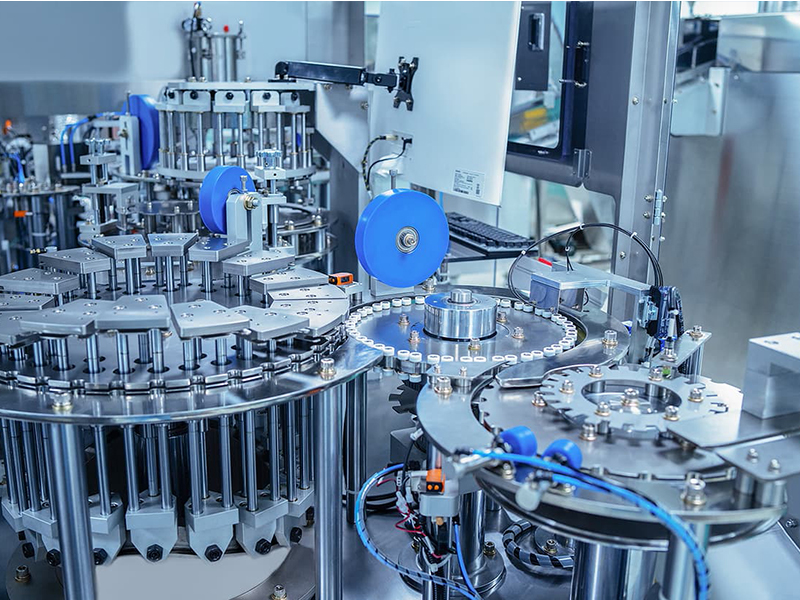
Characterized by their efficiency, precision, and stability, automated systems are currently spearheading the development trends of modern manufacturing. These systems offer significant advantages in areas such as boosting production efficiency, enhancing product quality, reducing manufacturing costs, increasing operational flexibility, improving workplace safety, and facilitating data monitoring and management; consequently, they have become a vital tool for enterprises seeking to bolster their market competitiveness. Driven by the continuous advancement of technologies—including intelligent automation, digitalization, modular design, eco-friendly solutions, and human-machine collaboration—automated systems will continue to evolve, delivering even greater economic benefits and competitive advantages to businesses. In the future, automated systems will continue to play a pivotal role, propelling various industries toward a trajectory of high efficiency, intelligence, and sustainable development.