The Advantages of Automated Packaging Equipment: Leading the Future of Modern Industrial Packaging
Automated packaging equipment refers to machinery that utilizes mechanical, electrical, optical, and computer technologies to automate the product packaging process. It encompasses a comprehensive series of operations—ranging from product sorting, conveying, filling, sealing, and labeling to palletizing and final packaging inspection—and, through the application of automation technologies, significantly enhances both packaging efficiency and quality.
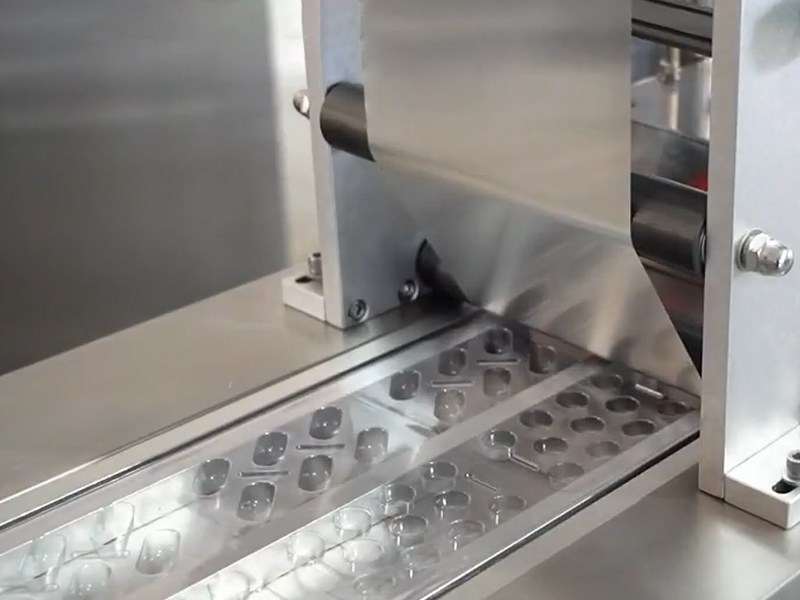
Key Advantages of Automated Packaging Equipment
1. Increased Production Efficiency: Automated packaging equipment is capable of executing various packaging operations continuously and at high speeds, thereby significantly boosting production efficiency. Compared to traditional manual packaging methods, automated systems can drastically reduce packaging times, effectively meeting the demands of large-scale mass production. For instance, an automated packaging line can complete the packaging of thousands of products within a short timeframe, substantially elevating an enterprise's overall production capacity.
2. Enhanced Product Quality: Automated packaging equipment is characterized by a high degree of precision and consistency, ensuring that the quality of every package strictly adheres to established standards. Through sophisticated control systems, the equipment rigorously monitors and regulates various parameters during the packaging process—such as temperature, pressure, and speed—thereby minimizing errors and defects resulting from human intervention and ultimately elevating the overall quality of the product.
3. Reduced Production Costs: Although the initial capital investment for automated packaging equipment may be substantial, its high-efficiency production capabilities and reduced labor requirements lead to a significant reduction in overall production costs. Automated systems decrease reliance on manual labor—thereby lowering personnel costs—while simultaneously optimizing raw material utilization and minimizing waste. Furthermore, the stable and reliable operation of such equipment helps mitigate losses and rework costs that might otherwise arise from human operational errors.
4. Enhanced Production Flexibility: Modern automated packaging equipment offers exceptional flexibility, allowing for rapid adjustments and changeovers to accommodate the specific packaging requirements of diverse products. By simply swapping molds and adjusting operational parameters, the equipment can adapt to products of various specifications and shapes, thereby satisfying the diverse demands of the market and bolstering an enterprise's competitive edge.
5. Improved Operational Safety: Automated packaging equipment reduces both the frequency and physical intensity of manual operations, thereby lowering the risk of workplace accidents during the packaging process. The equipment is outfitted with a comprehensive array of safety mechanisms—such as safety gates, emergency stop buttons, and photoelectric sensors—to ensure the safety and protection of operating personnel. Concurrently, the deployment of automated systems serves to reduce the physical strain on workers, thereby enhancing both the safety and ergonomic comfort of the work environment.
6. Data Monitoring and Management: Modern automated packaging equipment is typically equipped with data acquisition and monitoring systems capable of tracking various parameters during the packaging process in real time, as well as recording and analyzing this information. By leveraging this data, enterprises can monitor and optimize their production processes, promptly identify and resolve issues, and enhance both production efficiency and product quality. Furthermore, the accumulation and analysis of data provide a scientific basis for corporate production decision-making, thereby driving the advancement of intelligent enterprise management.
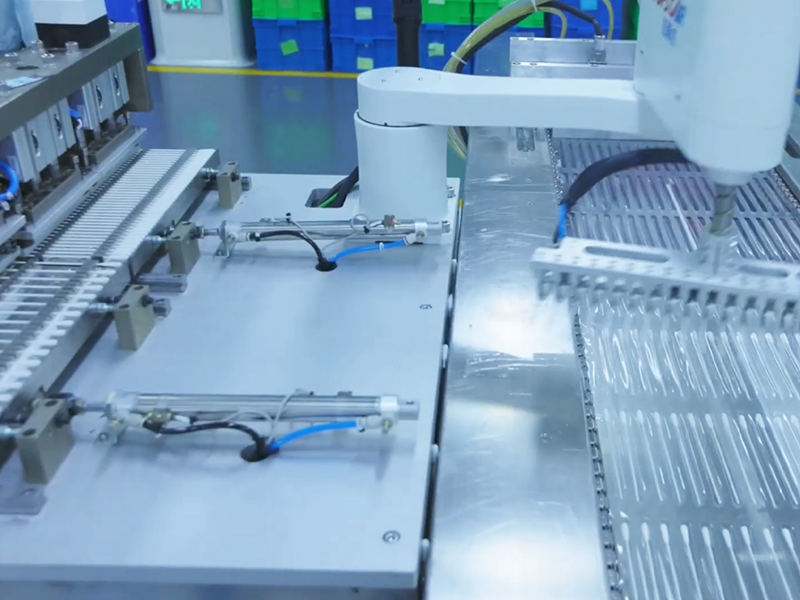
Automated packaging equipment is widely utilized across various industries; the following are some of its primary application areas:
1. Food and Beverages: In the food and beverage sector, automated packaging equipment is employed to package a wide range of products—such as bottled drinks, bagged snacks, and canned goods—thereby ensuring product hygiene and quality.
2. Pharmaceuticals: The pharmaceutical industry imposes extremely stringent requirements on packaging; automated equipment is utilized for the bottling, boxing, and bagging of medications, ensuring both the safety and efficacy of the drugs.
3. Cosmetics and Daily Chemicals: Cosmetics and daily chemical products often demand a high standard regarding packaging aesthetics; automated equipment enables high-quality packaging execution, thereby enhancing the market appeal of these products.
4. Electronics: The packaging of electronic products necessitates both high precision and high efficiency; automated equipment is used to package electronic components and finished goods, ensuring the precision and reliability of the packaging.
5. Logistics and Warehousing: Within the logistics and warehousing sectors, automated packaging equipment is utilized for the packaging and bundling of various types of cargo, thereby improving both logistical efficiency and packaging quality.
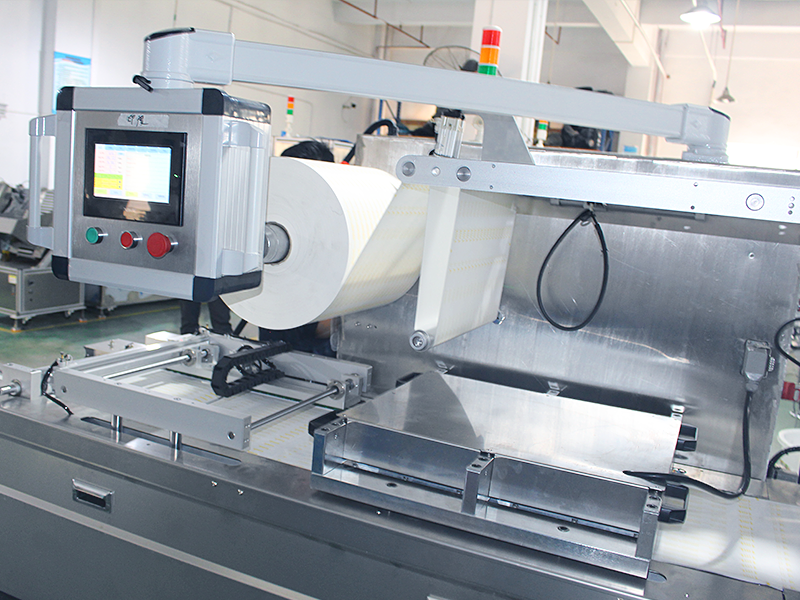
Future Development Trends for Automated Packaging Equipment
1. Intelligentization and Digitalization: With the advancement of Industry 4.0, automated packaging equipment will become increasingly intelligent and digitized. By integrating Internet of Things (IoT) and Artificial Intelligence (AI) technologies, equipment can facilitate intelligent monitoring, predictive maintenance, and production optimization, thereby elevating its overall level of intelligence.
2. Modular Design: Future automated packaging equipment will feature a more modular design, enabling rapid reconfiguration and upgrading to meet diverse production requirements. This approach enhances both equipment flexibility and production efficiency.
3. Environmental Protection and Energy Conservation: Environmental sustainability and energy efficiency will constitute a key direction for the future development of automated packaging equipment. Equipment will incorporate more eco-friendly materials and energy-saving technologies to minimize energy consumption and environmental pollution, thereby driving the advancement of green manufacturing.
4. High Precision and High Speed: As market demand for high quality and high efficiency continues to rise, automated packaging equipment will evolve toward greater precision and higher operating speeds, thereby boosting both production efficiency and product quality.
5. Human-Machine Collaboration and Safety: Collaborative robots (cobots) are set to find widespread application within automated packaging environments. By combining AI with sensor technologies, collaborative equipment will facilitate more efficient and safer production operations, thereby enhancing both production output and the safety of the work environment.
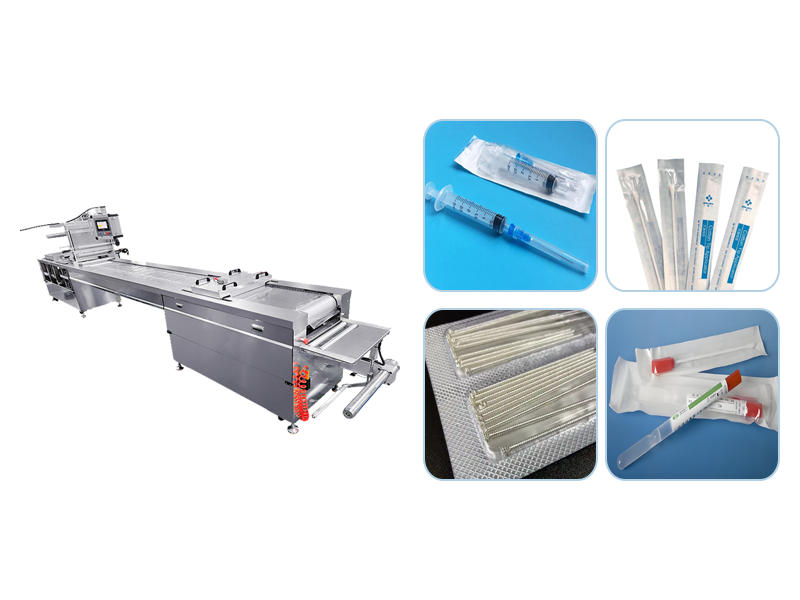
Characterized by their high efficiency, precision, and flexibility, automated packaging systems are currently spearheading the trends in modern industrial packaging. Possessing significant advantages in areas such as boosting production efficiency, enhancing product quality, reducing production costs, increasing operational flexibility, and improving workplace safety, these systems have become a vital tool for enterprises seeking to bolster their market competitiveness. Driven by the continuous advancement of technologies—including intelligent automation, digitalization, modular design, eco-friendly solutions, and human-machine collaboration—automated packaging equipment is poised for continued evolution, promising to deliver even greater economic benefits and market competitiveness to businesses. Moving forward, automated packaging systems will continue to play a pivotal role in propelling various industries toward a future characterized by high efficiency, intelligence, and sustainable development.