Automated Filling Equipment: A Key Tool for Modern Production
As a critical component of industrial production, automated filling equipment is widely utilized across a diverse range of sectors, including food and beverages, pharmaceuticals, chemicals, and daily consumer goods. It not only boosts production efficiency but also guarantees product quality, reduces labor costs, and empowers enterprises to stand out amidst fierce market competition. This article will explore in detail the characteristics and advantages of automated filling equipment, as well as its applications across various fields.
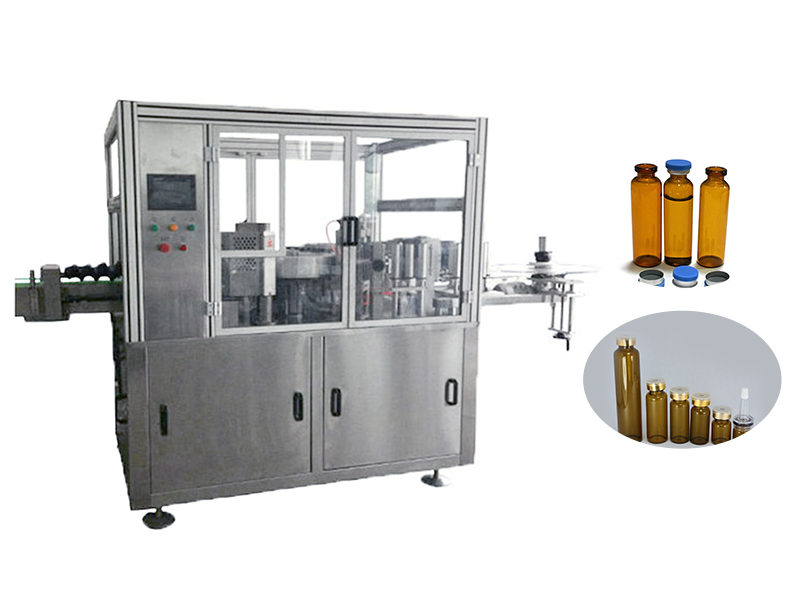
Characteristics of Automated Filling Equipment
Automated filling equipment features a variety of design and functional attributes that enable it to perform exceptionally well in diverse applications:
1. High-Precision Filling: By employing advanced metering technologies—such as flow meters, load cells, or piston pumps—the equipment ensures the accuracy of every fill. Whether handling liquids, powders, or granules, it achieves high-precision filling, thereby guaranteeing product consistency.
2. Multifunctional Integration: Modern automated filling equipment goes beyond mere filling tasks; it integrates functions such as automatic feeding, mixing, sealing, labeling, and inspection. This creates a complete production line capable of meeting the packaging requirements of a wide variety of products.
3. Automated Control: Equipped with PLC control systems and touch-screen interfaces, the machinery enables fully automated operation. The entire process—from material feeding, filling, and sealing to the output of finished products—is executed automatically, resulting in a significant boost in production efficiency.
4. Ease of Cleaning and Maintenance: Constructed from stainless steel and featuring a modular design, the equipment is easy to clean and sanitize, ensuring compliance with hygiene standards. The modular structure also facilitates more convenient maintenance and component replacement.
5. High Flexibility: The equipment can be adjusted to accommodate the specific characteristics and packaging specifications of different products. It is adaptable to various types and shapes of containers, thereby enhancing production flexibility.
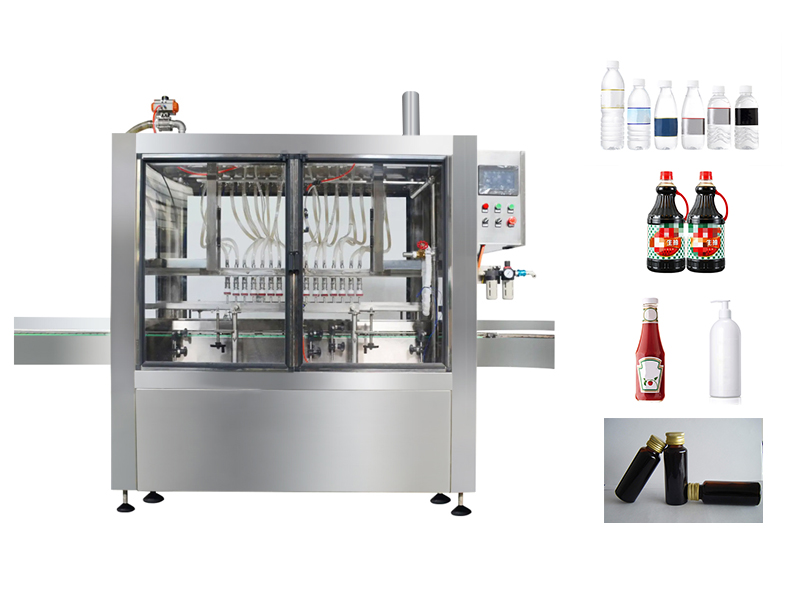
Advantages of Automated Filling Equipment
1. Enhanced Production Efficiency: Automated equipment performs filling operations continuously and at high speeds, significantly boosting the efficiency of the production line. This is particularly beneficial for large-scale mass production, enabling manufacturers to meet market demands for rapid delivery.
2. Guaranteed Product Quality: High-precision filling technology, combined with rigorous quality control systems, ensures the consistency and stability of every product batch. This guarantees compliance with strict quality standards and serves to enhance brand reputation. 3. Reduced Production Costs: Automated equipment reduces reliance on manual labor, thereby lowering labor costs. Furthermore, a high degree of automation minimizes human error, enhancing production stability and consistency.
4. Enhanced Safety and Hygiene: Automated filling equipment is designed with meticulous attention to operational safety and hygiene standards. Through enclosed filling environments and automated controls, it minimizes the risk of contamination and physical contact—making it particularly well-suited for industries with stringent hygiene requirements.
5. Reduced Material Waste: Precise filling controls and highly efficient production workflows effectively minimize material waste, thereby lowering production costs and boosting corporate profitability.
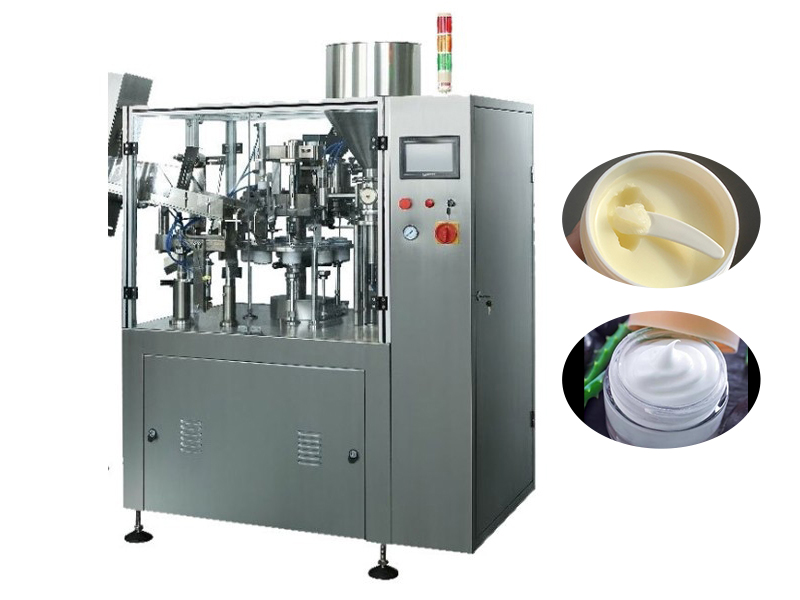
Application Fields for Automated Filling Equipment
1. Food and Beverage Industry: In the food and beverage sector, automated filling equipment is widely utilized for packaging liquid and semi-solid products—such as milk, fruit juices, soy sauce, and various condiments. Its high-efficiency filling capabilities and adherence to strict hygiene standards ensure the quality and safety of food products.
2. Pharmaceutical Industry: The pharmaceutical industry demands exceptionally high levels of precision and cleanliness from its filling equipment. Automated filling systems are capable of meeting the rigorous packaging requirements for pharmaceuticals, vaccines, injectables, and similar products, thereby ensuring their safety and efficacy.
3. Chemical Industry: Many products within the chemical industry—including lubricants, cleaning agents, and chemical reagents—require precise filling controls and a safe operating environment. Automated filling equipment provides highly efficient and accurate solutions tailored to these specific needs.
4. Daily Chemicals Industry: In the daily chemicals sector, automated filling equipment is employed to package products such as skincare items, shampoos, and detergents. Efficient filling processes and precise metering ensure both product quality and the aesthetic appeal of the packaging.
5. Agricultural Sector: Agricultural products—such as fertilizers, pesticides, and animal feed—also require efficient packaging solutions. Through high-speed filling and sealing operations, automated filling equipment significantly enhances the packaging efficiency and quality of agricultural products.
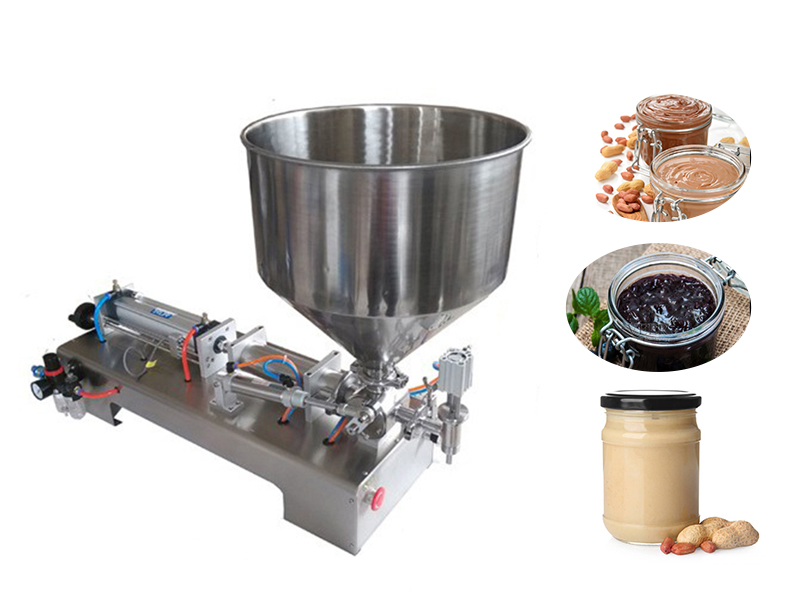
As a vital tool in modern industrial production, automated filling equipment significantly enhances production efficiency and product quality through its high precision, multifunctionality, automation capabilities, and flexibility. Across diverse sectors—including food, beverages, pharmaceuticals, chemicals, daily consumer goods, and agriculture—automated filling equipment demonstrates extensive potential for application. Driven by continuous technological advancements and evolving market demands, this equipment will continue to play a pivotal role in propelling various industries toward greater efficiency, intelligence, and sustainable development. By adopting and optimizing automated filling equipment, enterprises can not only bolster their market competitiveness but also better satisfy consumer needs and achieve sustainable growth.