Automated Filling Equipment: A Powerful Production Tool for the Era of Industrial Intelligence
With the continuous advancement and application of industrial intelligence, automated filling equipment—as a vital component of modern production lines—is playing an increasingly significant role. From the food and beverage sectors to the chemical and pharmaceutical industries, various fields are consistently adopting automated filling equipment to boost production efficiency, reduce manufacturing costs, and ensure product quality. This article will explore the value and significance of automated filling equipment by examining its technical principles, key advantages, and diverse application fields.
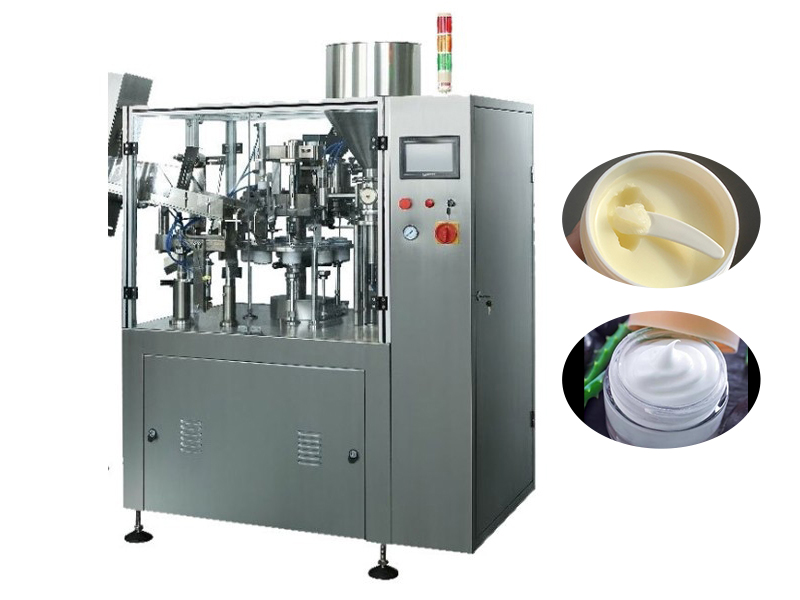
First and foremost, automated filling equipment utilizes advanced sensors, control systems, and actuators to achieve comprehensive, automated control and monitoring of the entire filling process. Based on specific product types, specifications, and filling requirements, the equipment can automatically adjust filling speeds and volumes, thereby ensuring the precision and consistency of the fill for every single product. Compared to traditional manual or semi-automated filling methods, automated filling equipment offers distinct advantages, such as ease of operation, high production efficiency, and stable product quality.
Secondly, the scope of application for automated filling equipment is remarkably broad. In the food industry, it can be used to fill a wide variety of products—including liquids, granules, and powders—such as beverages, condiments, and salad dressings. In the chemical industry, it facilitates the filling of various chemical products, such as lubricants, cleaning agents, and liquid fertilizers. In the pharmaceutical sector, it is employed for filling medications in forms ranging from liquid solutions and powders to ointments and creams. Furthermore, automated filling equipment can be seamlessly integrated with other production machinery to achieve the holistic optimization of the entire automated production line.
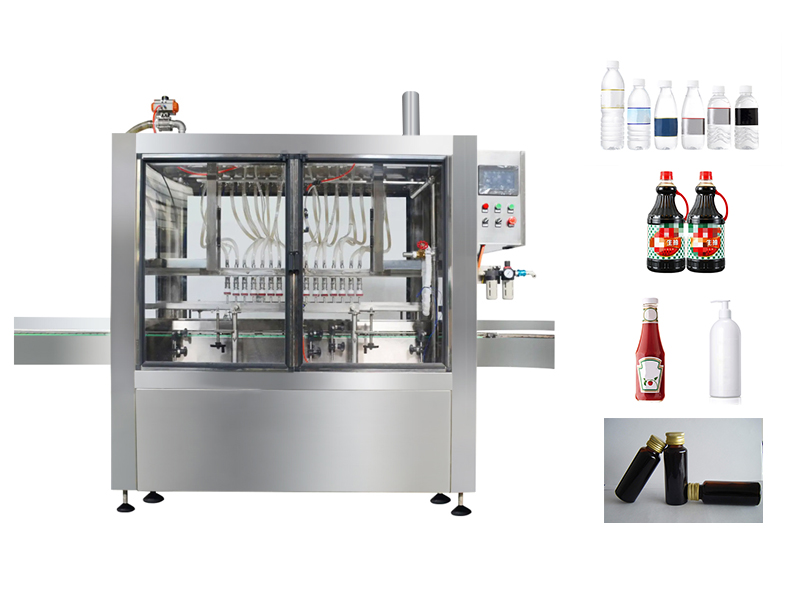
Additionally, while simultaneously boosting production efficiency, automated filling equipment also serves to reduce manufacturing costs. By precisely controlling filling volumes and minimizing waste rates, it enables the conservation of raw materials and a reduction in production expenses. Moreover, the inherent operational stability and reliability of automated filling equipment help minimize the need for human labor and reduce production line downtime, thereby further lowering overall manufacturing costs.
Finally, amidst the continuous improvement of production environments and the tightening of safety standards, automated filling equipment assists enterprises in elevating the overall quality and safety of their production settings. It mitigates errors and accidents that may arise during manual operations, thereby reducing safety hazards within the production process and ensuring the secure and stable operation of the production line.
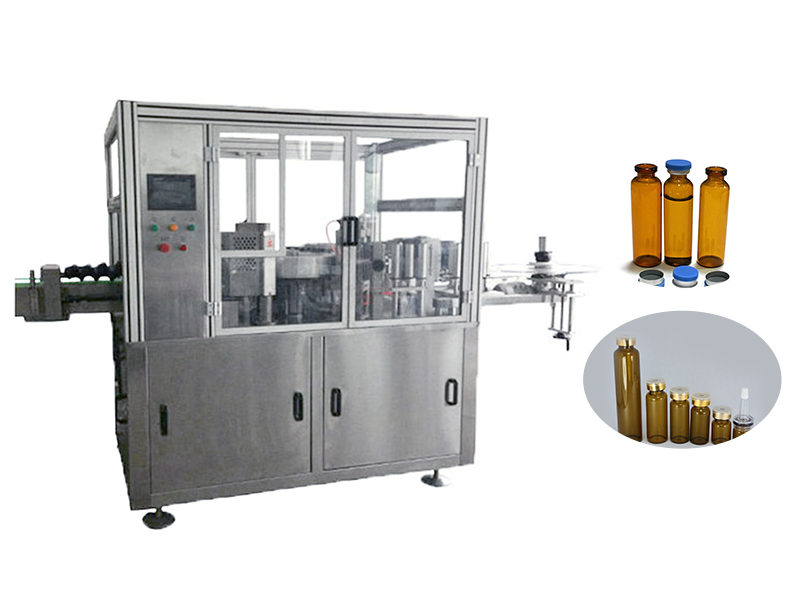
In summary, as a vital component of modern production lines, automated filling equipment not only enhances production efficiency and reduces manufacturing costs but also ensures product quality and the safety of the production environment. With the continuous advancement of technology and the ever-expanding scope of its applications, it is anticipated that automated filling equipment will play an increasingly significant role in the future, providing greater convenience and support for production across a wide range of industries.