Automated Production Line Solutions: Key Steps Toward Industrial Intelligence
As the industrial sector continues its relentless pursuit of production efficiency, product quality, and cost control, automated production line solutions are becoming the preferred choice for an increasing number of enterprises. These solutions not only assist companies in automating and intellectualizing their production processes but also serve to boost production efficiency, reduce manufacturing costs, and enhance product quality—thereby strengthening the enterprises' overall competitiveness. This article will explore the definition of automated production line solutions, the steps involved in their implementation, and the benefits they deliver.
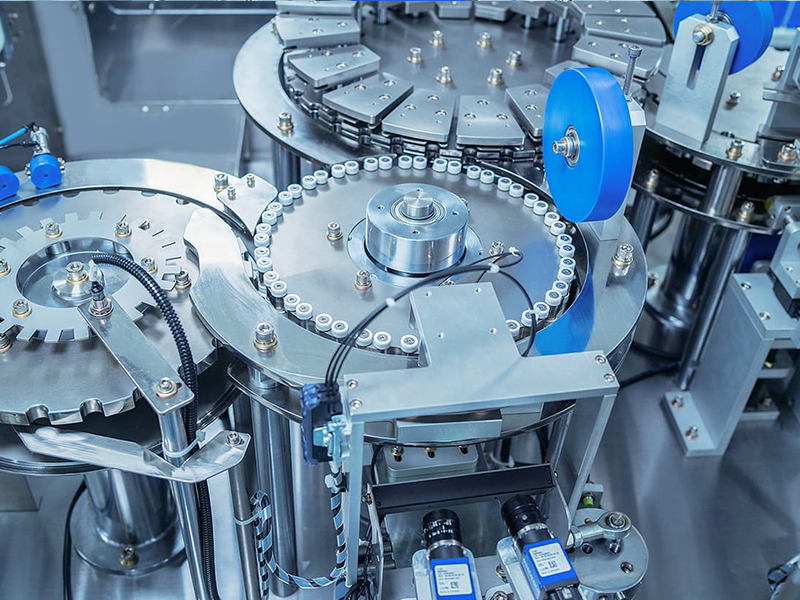
An automated production line solution refers to a comprehensive strategy tailored to specific industries and production requirements. It involves optimizing and transforming production workflows through the introduction of advanced equipment, technologies, and management methodologies, thereby achieving the automation, intellectualization, and information-based management of the production line. This encompasses various facets—ranging from product design and process planning to equipment selection and system integration—with the ultimate objective of boosting production efficiency, lowering manufacturing costs, and optimizing resource utilization to ensure the highly efficient operation of industrial production.
Implementing an automated production line solution typically involves the following key steps:
1. Requirements Analysis and Solution Design: First, an enterprise must conduct a comprehensive analysis of its own production requirements and current operational status to clearly identify the specific production stages targeted for automation and the desired objectives. Subsequently, based on the findings of this analysis, a customized automated production line solution is designed to align with the enterprise's actual circumstances; this design encompasses aspects such as equipment selection, process workflows, and facility layout planning.
2. Equipment Selection and Procurement: Based on the finalized solution design, the enterprise must select appropriate automated production equipment and systems. This process entails evaluating and comparing various options based on criteria such as equipment performance, functionality, stability, reliability, and supplier reputation, ultimately leading to the determination of the optimal equipment procurement strategy.
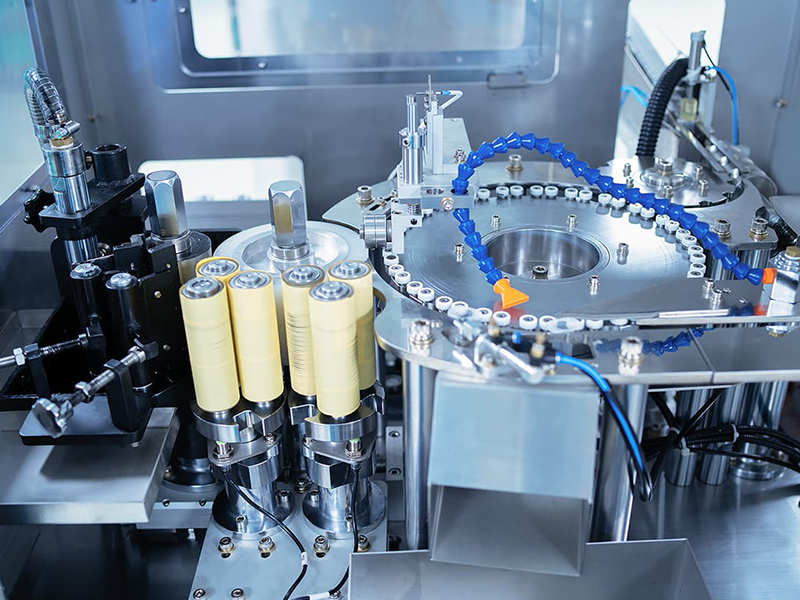
3. System Integration and Commissioning: Once the equipment procurement phase is complete, the critical tasks of system integration and commissioning must be undertaken. This involves the installation, interconnection, and calibration of the equipment, as well as its integration with other production machinery and information systems, to ensure that the entire production line operates smoothly and achieves the anticipated production outcomes.
4. Personnel Training and Management: As the automated production line is brought into operation, the enterprise must provide training to production operators to ensure they acquire proficiency in equipment operation skills and production workflows, thereby guaranteeing the normal and efficient functioning of the line. Concurrently, a robust management system must be established to monitor and analyze production data, equipment status, and other key metrics, enabling the timely adjustment of production schedules and process parameters as needed.
5. Continuous Optimization and Improvement: The implementation of an automated production line is not a one-time task, but rather a continuous process of optimization and improvement. Enterprises must constantly collect and analyze production data to identify issues and bottlenecks, and then promptly adjust and refine the production line configuration to adapt to shifting market demands and the evolving requirements of business growth.
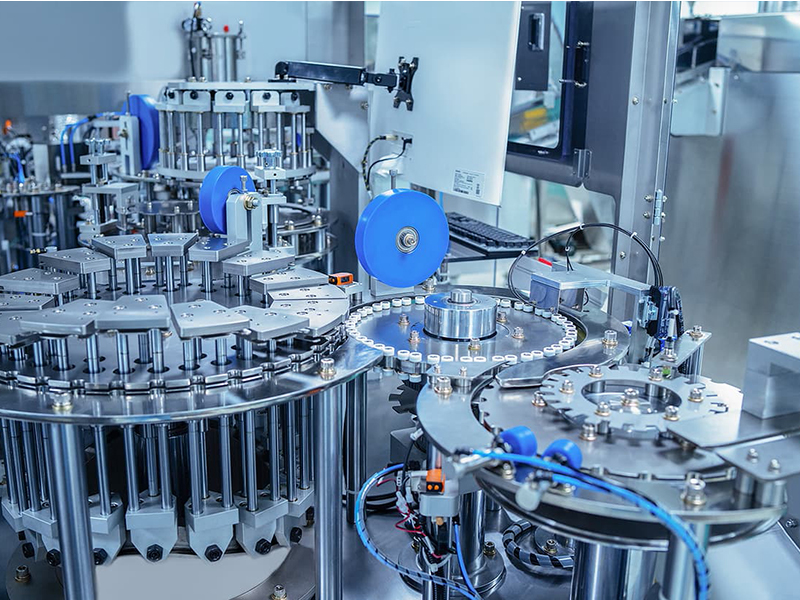
Implementing an automated production line solution yields numerous benefits. First, it can significantly boost production efficiency by minimizing human error and reducing downtime; this enables a highly automated and continuous production workflow, thereby enhancing overall production capacity and output. Second, automated production lines can lower production costs by conserving labor and raw materials, reducing scrap rates and energy consumption, and improving both resource utilization efficiency and economic returns. Furthermore, automated production lines can elevate product quality and consistency by mitigating the impact of human factors on product integrity, thereby ensuring product stability and reliability while boosting brand competitiveness and market share.
In summary, automated production line solutions serve as a vital pathway for enterprises seeking to achieve industrial intelligence and enhance their competitive edge. Through scientific planning and effective implementation, these solutions empower companies to boost production efficiency, lower costs, and improve product quality, ultimately paving the way for sustainable development and long-term success. As technology continues to advance and its application domains continue to expand, automated production line solutions are poised to play an increasingly pivotal role in the future, bringing forth even greater innovation and development opportunities for industrial manufacturing.