Automatic Liquid Packaging Machine: Boosting Production Efficiency and Ensuring Product Quality
In today's fast-paced manufacturing environment, the packaging of liquid products remains a critical stage in the production process. To enhance production efficiency and safeguard product quality, automated liquid packaging machines have emerged as an indispensable solution. This article delves into the operating principles, advantages, and future development trends of automated liquid packaging machines.
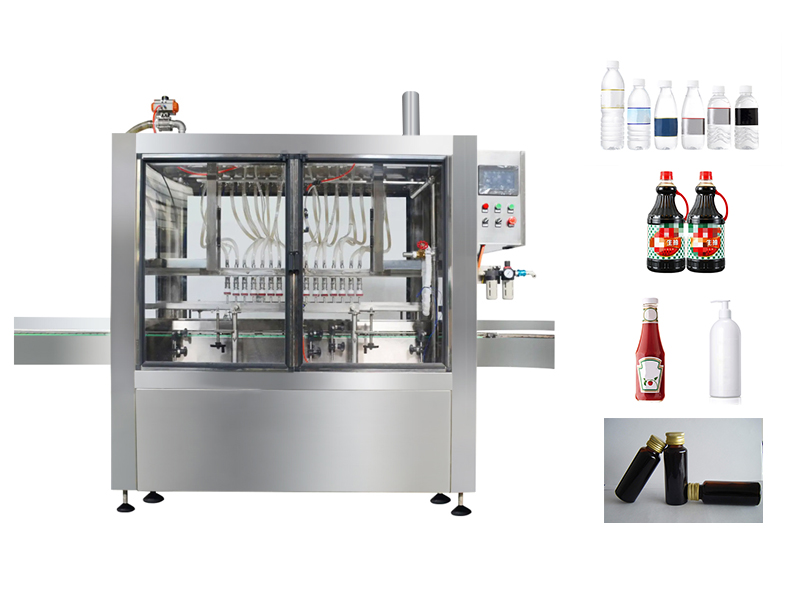
An automated liquid packaging machine is a sophisticated piece of equipment specifically designed for packaging liquid products. Its primary function is to automatically fill packaging containers with liquid products and subsequently seal them. Compared to traditional manual or semi-automated packaging methods, automated liquid packaging machines offer several distinct advantages.
First and foremost, automated liquid packaging machines can significantly boost packaging efficiency. Traditional manual packaging methods require substantial human labor, are inherently inefficient, and are prone to errors—factors that drive up production costs and extend production cycles. In contrast, automated liquid packaging machines leverage advanced automation technologies to achieve rapid and precise liquid packaging, thereby drastically saving time and labor costs while substantially improving overall production efficiency.
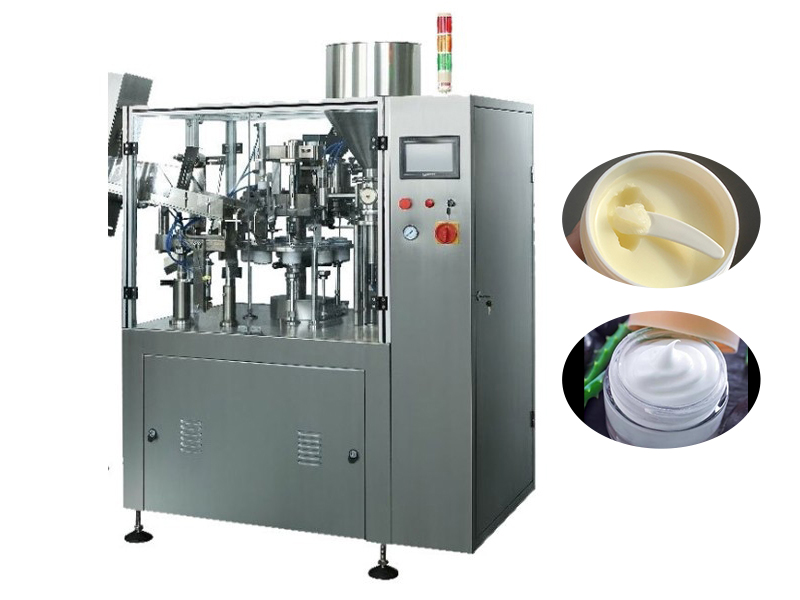
Secondly, automated liquid packaging machines ensure the quality of product packaging. The quality of a liquid product's packaging directly impacts the product's appearance and integrity, thereby influencing its competitiveness in the market. Traditional manual packaging is susceptible to issues such as underfilling or improper sealing; automated liquid packaging machines, however, employ precision liquid metering and sealing mechanisms to deliver high-accuracy, high-quality packaging, thereby guaranteeing the integrity and quality of the product.
Furthermore, automated liquid packaging machines are characterized by their versatility and broad applicability. They are suitable for packaging a wide variety of liquid products—ranging from beverages and cosmetics to cleaning agents—and can accommodate various packaging styles (such as upright or inverted packaging) based on specific product characteristics and packaging requirements, thereby meeting the diverse production demands of different products.
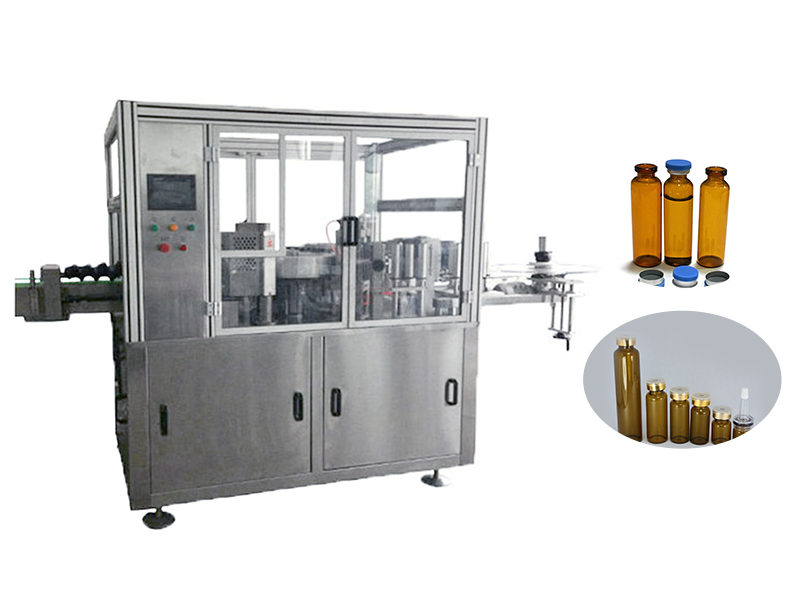
As consumer expectations regarding quality of life and product safety continue to rise, market demand for liquid products is also steadily increasing. As a sophisticated piece of manufacturing equipment, the automated liquid packaging machine is poised for even wider application and further development in the future. It is anticipated that future automated liquid packaging machines will become more intelligent and flexible, offering even higher levels of production efficiency and adaptability to provide superior solutions for the production and packaging of liquid products.
In summary, with their distinct advantages—including high efficiency, superior quality, and versatility—automated liquid packaging machines have established themselves as a vital tool for enhancing production efficiency and safeguarding product quality. With the continuous advancement of technology and the steady expansion of the market, we believe that automatic liquid packaging machines will play an increasingly vital role in the future, delivering greater value and benefits to manufacturing enterprises across various industries.