Multifunctional Fully Automatic Packaging Machine: A Powerful Tool for Intelligent Manufacturing
In modern manufacturing, the advancement of automated packaging technology has emerged as a pivotal factor in boosting production efficiency and reducing costs. As a specific type of automated packaging equipment, the multi-functional fully automatic packaging machine is characterized by its versatility and adaptability; capable of meeting the diverse packaging requirements of a wide array of products, it is increasingly gaining favor across various industries. This article will delve into the operating principles, key features, and practical application value of multi-functional fully automatic packaging machines within production environments.
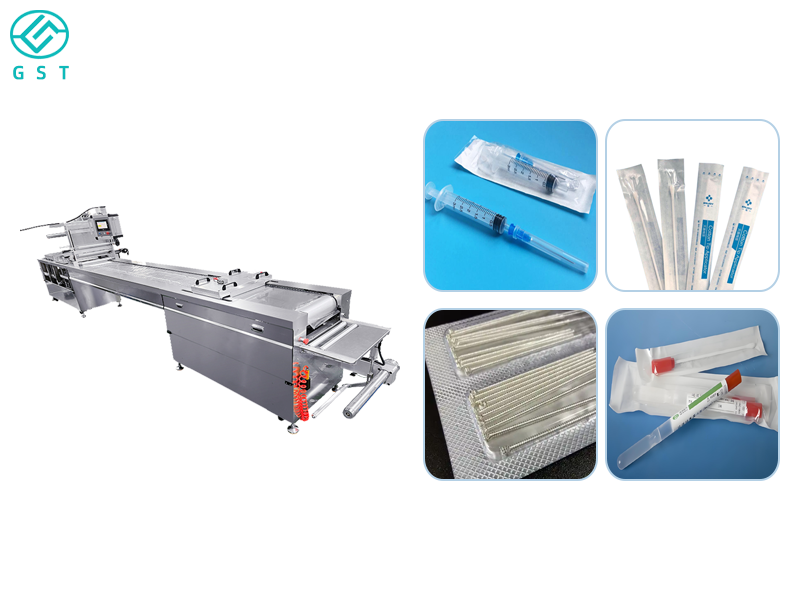
A multi-functional fully automatic packaging machine is an integrated system that consolidates various automated packaging capabilities, offering a flexible suite of packaging functions. By leveraging advanced mechanical and electronic technologies, it facilitates the automated packaging of diverse products—executing a comprehensive sequence of operations that includes filling, sealing, metering, and labeling. Compared to traditional manual packaging methods, these automated machines offer distinct advantages such as high operational efficiency, reduced costs, and superior packaging consistency, thereby serving as a vital tool for modern manufacturing enterprises seeking to enhance both packaging efficiency and product quality.
Multi-functional fully automatic packaging machines possess the following notable characteristics:
1.Flexibility and Versatility: These machines feature a wide range of packaging functions, enabling them to accommodate the packaging requirements of products varying in type and specification. Whether handling solids, liquids, or powders—and whether packaging in small pouches or large bags—the multi-functional fully automatic packaging machine can execute the task, effectively meeting the diverse demands of different clients and markets.
2.High Efficiency: By incorporating advanced automation technologies, these machines facilitate highly efficient packaging processes. Automated operations significantly boost packaging throughput, reduce labor costs, and accelerate overall production speeds while simultaneously enhancing product quality.
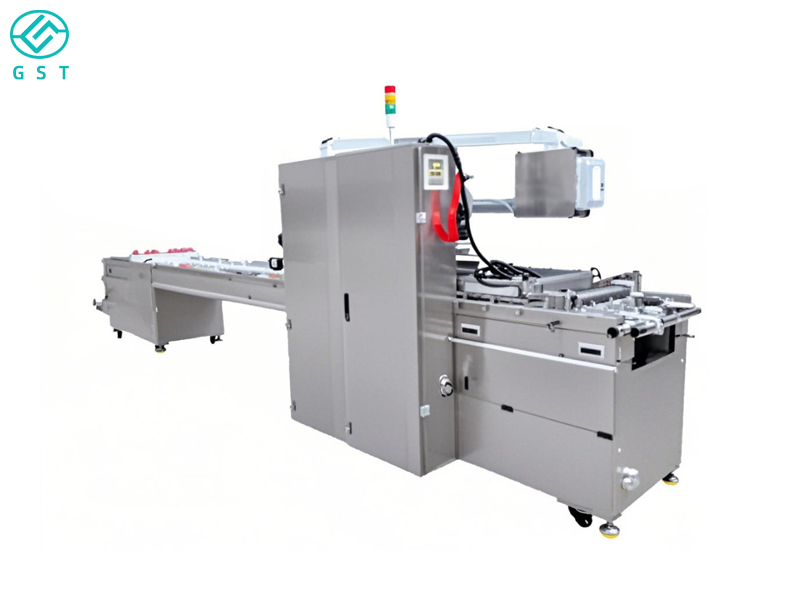
3.Precision: Multi-functional fully automatic packaging machines boast high-precision packaging capabilities, allowing for the exact control of critical parameters such as product dimensions, weight, and packaging configuration. This ensures the integrity and consistency of the packaging, thereby bolstering the product's competitive edge in the market.
4.Intelligence: Driven by advancements in artificial intelligence (AI) and the Internet of Things (IoT), multi-functional fully automatic packaging machines are becoming increasingly intelligent. The integration of smart control systems and remote monitoring capabilities enables intelligent recognition, adaptive adjustment, and operational optimization of the equipment, thereby enhancing its self-adaptability and overall production efficiency.
In actual production environments, multi-functional fully automatic packaging machines play a pivotal role. It enables the rapid and precise packaging of diverse products, thereby guaranteeing packaging quality and consistency while simultaneously enhancing product competitiveness and market share. This is particularly critical in multi-variety production environments, where multifunctional fully automatic packaging machines can be flexibly adjusted to accommodate the specific packaging requirements of different products, thereby helping enterprises reduce costs and boost efficiency.
Looking ahead, as market competition intensifies and consumer expectations regarding product quality and convenience continue to rise, multifunctional fully automatic packaging machines are poised to enjoy even broader prospects for development. The first key trend is the move toward intelligent automation; by integrating artificial intelligence and Internet of Things (IoT) technologies, these machines can facilitate intelligent production and management, thereby boosting manufacturing efficiency and product quality. The second trend is toward greater flexibility; by incorporating flexible manufacturing technologies, these machines enable flexible layout configurations and rapid adjustments of packaging lines, allowing them to adapt swiftly to changing market demands. Furthermore, the application of digital technologies will further accelerate the evolution of multifunctional fully automatic packaging machines; through digital modeling and simulation techniques, packaging processes can be predicted and optimized in advance, leading to reduced production costs and enhanced operational efficiency.
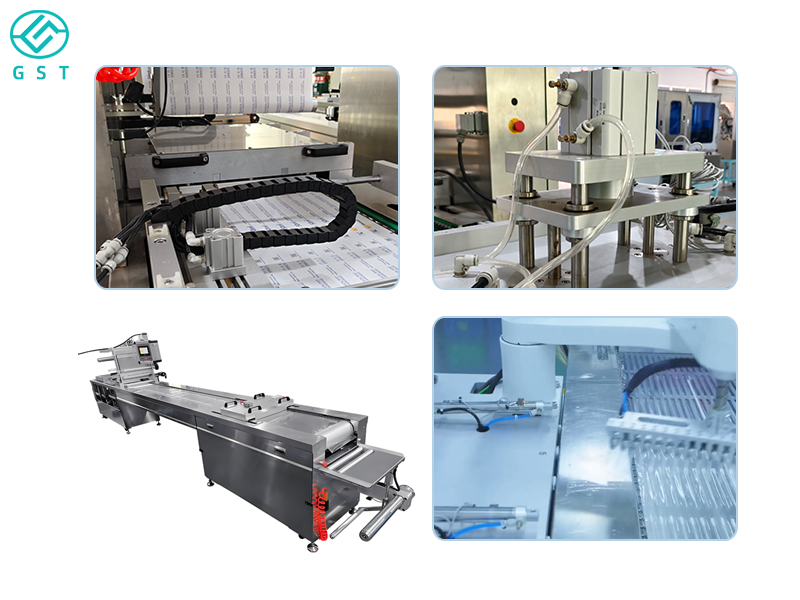
In conclusion, as a powerful tool for intelligent manufacturing, the multifunctional fully automatic packaging machine is set to play an increasingly pivotal role in the future of production. Driven by continuous technological advancements and expanding applications, these machines will provide manufacturing enterprises with more flexible and efficient packaging solutions, thereby propelling the manufacturing sector into a new era of intelligent and digitalized production.