A powerful tool for improving pesticide production efficiency: Fully automatic pesticide filling machine
In modern agricultural production, the use of pesticides is a crucial means of ensuring crop health and increasing yield. However, traditional pesticide filling methods suffer from low efficiency and inaccuracy. To address these challenges, fully automatic pesticide filling machines have emerged as a powerful tool for improving pesticide production efficiency.
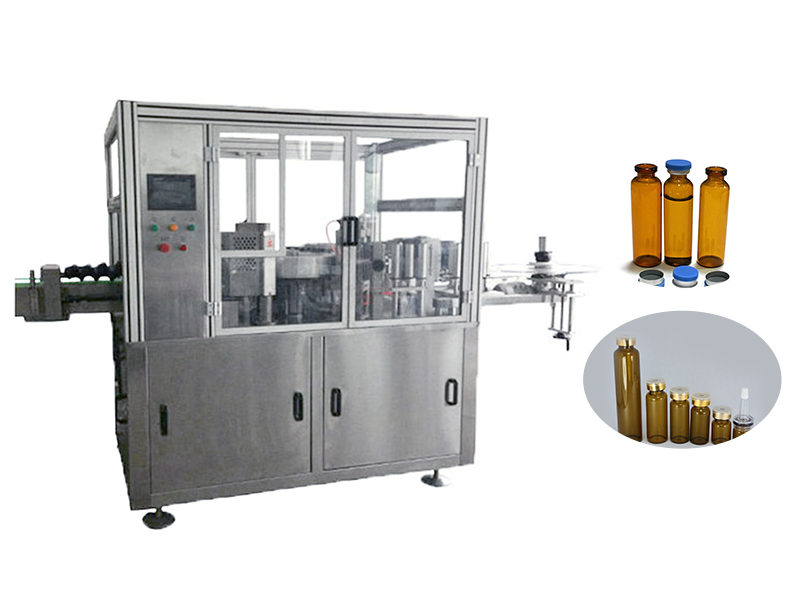
Fully automatic pesticide filling machines utilize advanced technology to achieve fully automated operation from filling to sealing, significantly improving production efficiency. Traditional manual filling methods suffer from high labor costs and low efficiency, but the advent of fully automatic filling machines has completely changed this situation. They can perform continuous filling operations, unrestricted by time or manpower, greatly saving production time and increasing efficiency.
Compared to traditional manual operation, fully automatic pesticide filling machines offer higher accuracy and stability. Manual operation is easily affected by external factors such as human fatigue and operational errors, while fully automatic filling machines can precisely control each step of the operation, ensuring accuracy and consistency in filling, improving product quality and production stability.
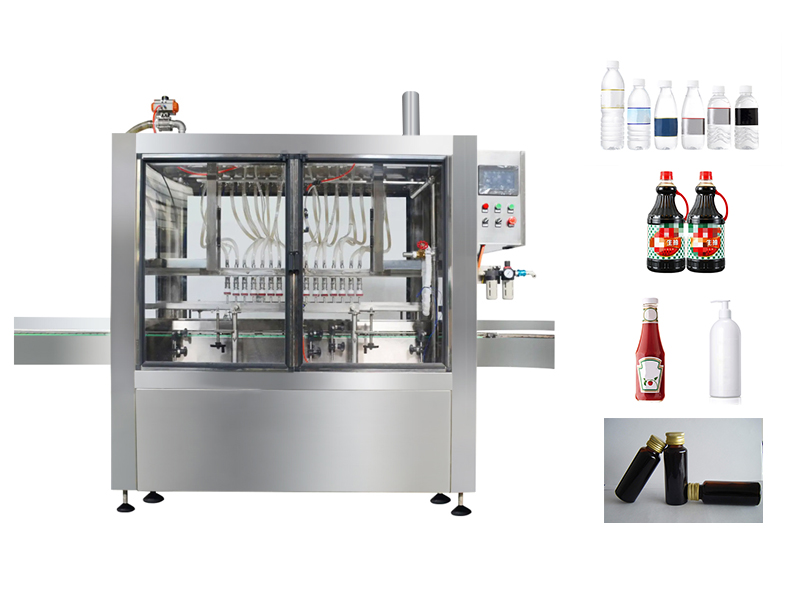
Furthermore, fully automatic pesticide filling machines are intelligent, allowing for flexible adjustments and settings to meet diverse needs. By pre-setting parameters, they can fill pesticides of different specifications and capacities, satisfying the varied demands of the market. Moreover, fully automatic filling machines can record and analyze data, assisting enterprises in production management and optimization, thus improving production efficiency and management level.
However, fully automatic pesticide filling machines also face some challenges in their application. Firstly, the equipment cost is relatively high, which may pose a certain economic burden for some small and medium-sized pesticide production enterprises. Secondly, the maintenance and upkeep of the equipment requires a certain level of technical and human investment; failure to maintain it in a timely manner may affect the normal operation of the equipment. In addition, the operation and maintenance of fully automatic filling machines also require certain technical training, increasing labor costs and management difficulty.
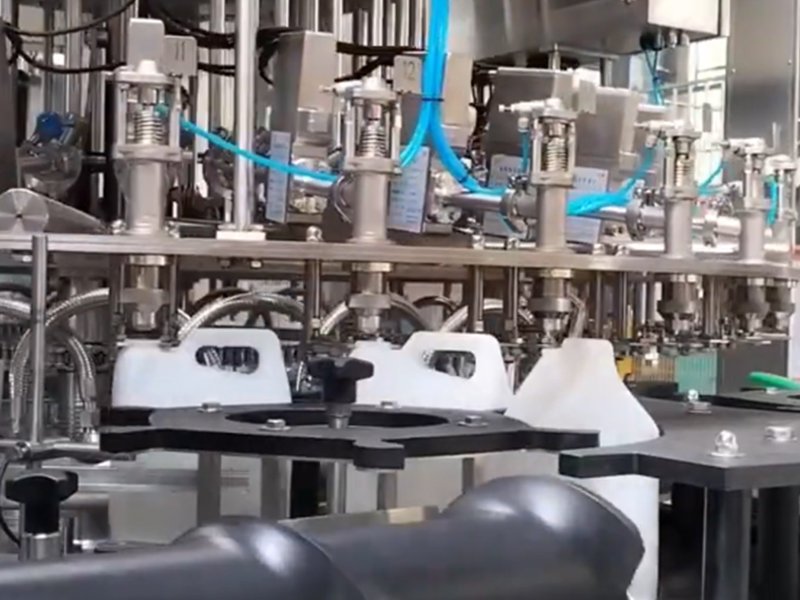
In conclusion, fully automatic pesticide filling machines, as a powerful tool for improving pesticide production efficiency, have significant advantages and potential. With continuous technological advancements and increasing market demand, fully automatic filling machines will undoubtedly play an increasingly important role in the pesticide production field, becoming a significant driving force for agricultural modernization. However, to fully leverage the advantages of fully automatic filling machines, companies need to increase their investment in technological research and development and talent cultivation, address issues such as high equipment costs and maintenance difficulties, and promote the healthy development of the fully automatic pesticide filling machine industry.