The Appeal and Future of Automated Packaging Production Lines
In modern industrial production, automated packaging production lines have become a key link in improving efficiency, reducing costs, and ensuring quality. With continuous technological advancements, automated packaging production lines are leading an intelligent revolution in the packaging industry with their unique advantages.
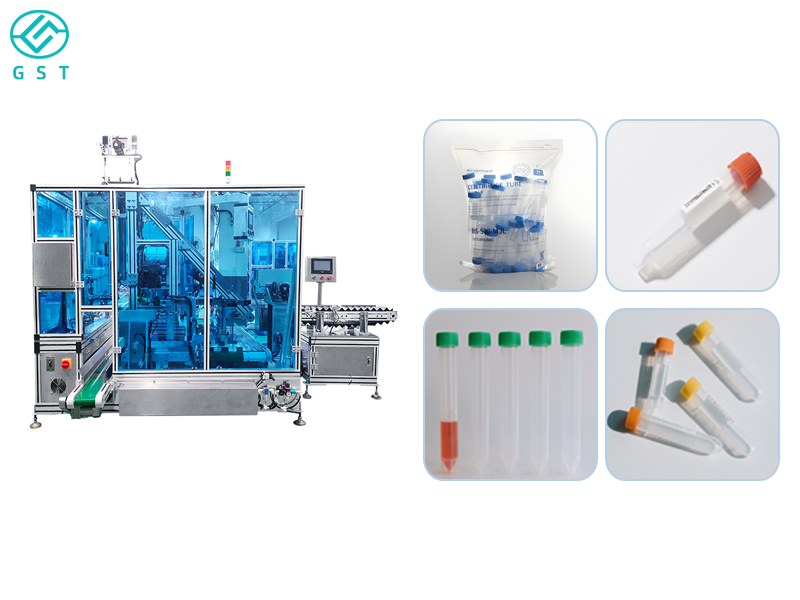
1. Concept and Advantages of Automated Packaging Production Lines
Automated packaging production lines refer to the automation and intelligent control of the packaging process through the integration of technologies from multiple fields such as mechanics, electronics, and computers. Compared to traditional manual packaging, automated packaging production lines have significant advantages: First, they greatly improve packaging efficiency and shorten the production cycle; second, automated production lines reduce labor costs and improve production safety; finally, through precise control, automated packaging can better guarantee product quality and hygiene standards.
2. Core Technologies of Automated Packaging Production Lines
The core technologies involved in automated packaging production lines include:
Machine Vision Technology: Capturing product images through high-resolution cameras and using image processing algorithms to identify product features, achieving precise positioning and recognition.
Robotics Technology: Utilizing multi-joint robots for flexible grasping, handling, and palletizing, replacing traditional manual operations.
Automation Control Technology: Achieving automated control and monitoring of the production line through devices such as PLCs (Programmable Logic Controllers) and touch screens. Intelligent sensor technology: Utilizing multiple sensors to detect product status, packaging material quality, and production line operating status, ensuring the stability and reliability of the production process.
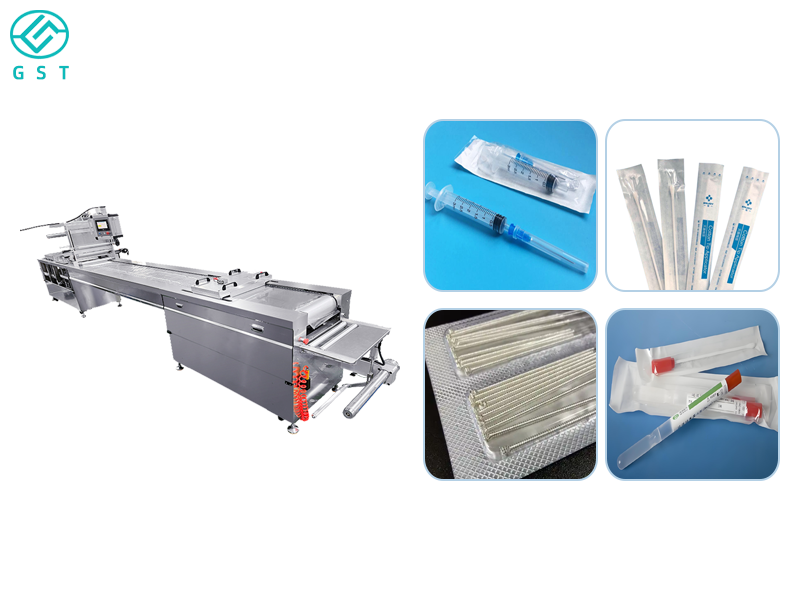
3. Application Areas of Automated Packaging Production Lines
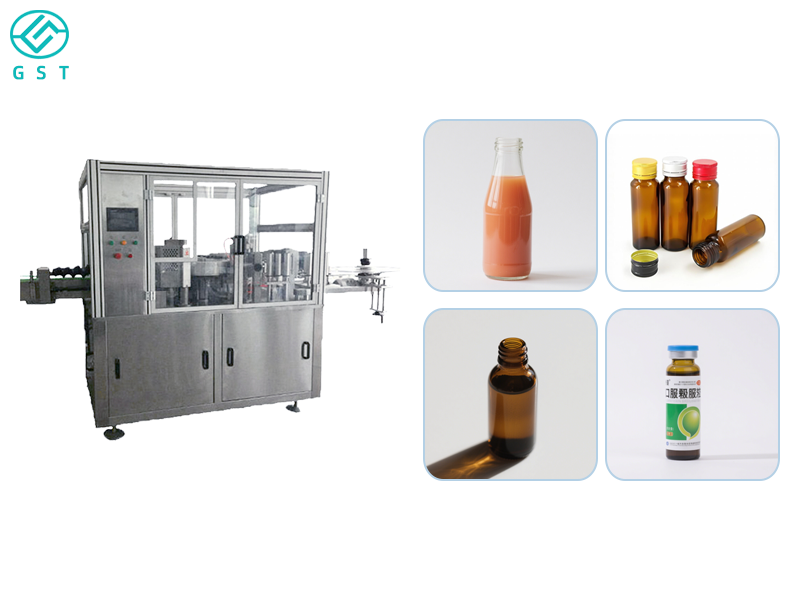
Automated packaging production lines are widely used in various industries such as food, beverages, pharmaceuticals, cosmetics, and electronics. In the food industry, automated packaging ensures food freshness and hygiene standards, improves production efficiency, and reduces costs; in the pharmaceutical industry, precise automated packaging ensures the safety and efficacy of medicines; in the electronics industry, automated packaging protects products from damage and improves the reliability of product transportation.
4. Future Prospects of Automated Packaging Production Lines
With the continuous development of new-generation information technologies such as the Internet of Things, big data, and artificial intelligence, automated packaging production lines will develop towards greater intelligence, flexibility, and personalization. Future automated packaging production lines will be able to achieve remote monitoring, fault diagnosis, and intelligent maintenance, further improving production efficiency and product quality. At the same time, with the diversification of consumer demands, automated packaging production lines will place greater emphasis on personalized customization and environmentally friendly sustainable development to meet ever-changing market demands.
Automated packaging production lines, with their high efficiency, intelligence, and reliability, are changing the production model of the traditional packaging industry. With continuous technological advancements and market expansion, we have every reason to believe that automated packaging production lines will play an even more important role in the future, driving the continuous innovation and development of the packaging industry.