Non-standardized Automation Machinery: Empowering Industrial Upgrading and Intelligent Manufacturing
In today's era of rapid technological advancement, non-standard automated machinery—as a vital component of intelligent manufacturing—is garnering increasing attention across various industries. This article explores the concept, characteristics, application fields, and future development trends of non-standard automated machinery. Its aim is to help readers gain a deeper understanding of this domain and consider how to apply it to actual production processes to enhance corporate competitiveness and efficiency.
1. Overview of Non-Standard Automated Machinery
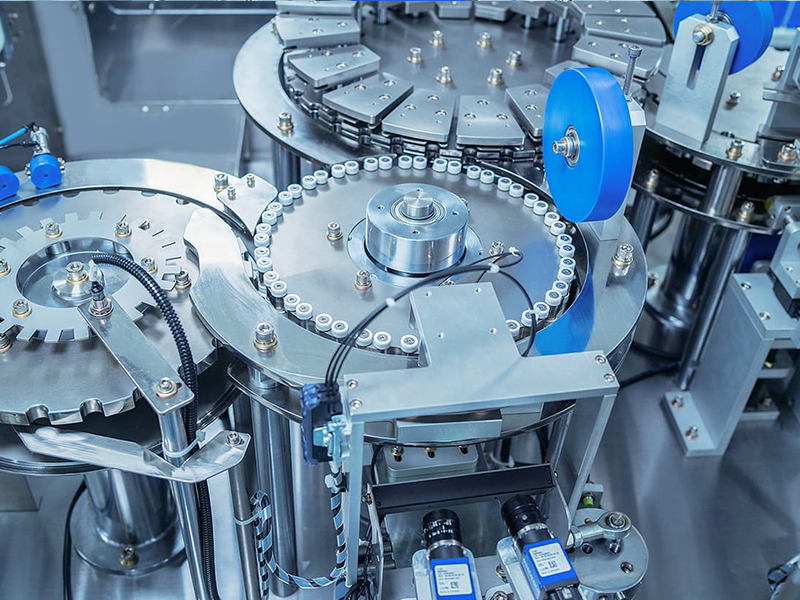
As the name suggests, non-standard automated machinery refers to automated mechanical equipment designed and manufactured specifically to meet a user's unique requirements. Compared to standard automated equipment, non-standard automated solutions offer greater flexibility and specificity, enabling them to better adapt to the diverse production needs and process workflows of different enterprises. Non-standard automated machinery typically integrates expertise from multiple disciplines—including mechanical design, electrical control, sensor technology, and computer programming—resulting in highly integrated and intelligent manufacturing equipment.
2. Characteristics of Non-Standard Automated Machinery
Customization: The defining characteristic of non-standard automated machinery is its custom design, tailored specifically to user requirements to satisfy an enterprise's unique production needs.
High Integration: It integrates mechanical, electrical, control, and computer technologies into a unified system, thereby facilitating multifunctional and highly efficient production processes.
Intelligence: By incorporating advanced sensors, controllers, and actuators, the equipment achieves intelligent monitoring and automatic adjustment capabilities, thereby enhancing the controllability and stability of the production process.
High Efficiency and Energy Conservation: Non-standard automated machinery can significantly boost production efficiency and reduce labor costs, while simultaneously minimizing energy consumption and environmental pollution.
3. Application Fields of Non-Standard Automated Machinery
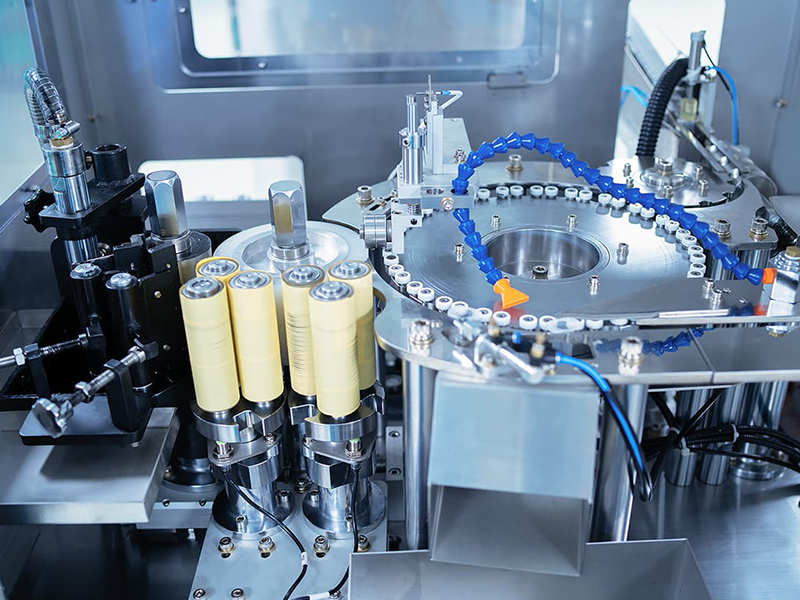
Non-standard automated machinery is widely utilized across numerous industries, including automotive manufacturing, electronics and electrical engineering, food and beverages, and pharmaceutical packaging. In the automotive sector, non-standard automated machinery enables complex assembly and welding operations, thereby improving both the quality and efficiency of vehicle production. In the electronics and electrical industry, non-standard automated equipment can execute precision component processing and assembly tasks, meeting the demand for high-precision and high-efficiency production inherent in electronic products. Furthermore, non-standard automated machinery plays a crucial role in the food and beverage as well as the pharmaceutical packaging industries, where it helps ensure product hygiene and safety while simultaneously enhancing packaging efficiency and quality.
4. Future Development Trends of Non-Standard Automated Machinery
With the deepening advancement of smart manufacturing and Industry 4.0, non-standard automated machinery is poised to embrace even broader development prospects. In the future, this machinery will place greater emphasis on intelligent, flexible, and modular development to meet constantly evolving market demands and the rapid iteration of product upgrades. Furthermore, through the integrated application of emerging technologies—such as artificial intelligence and big data—non-standard automated machinery will achieve higher levels of automation and intelligence, thereby delivering more significant benefits and competitive advantages to enterprises.
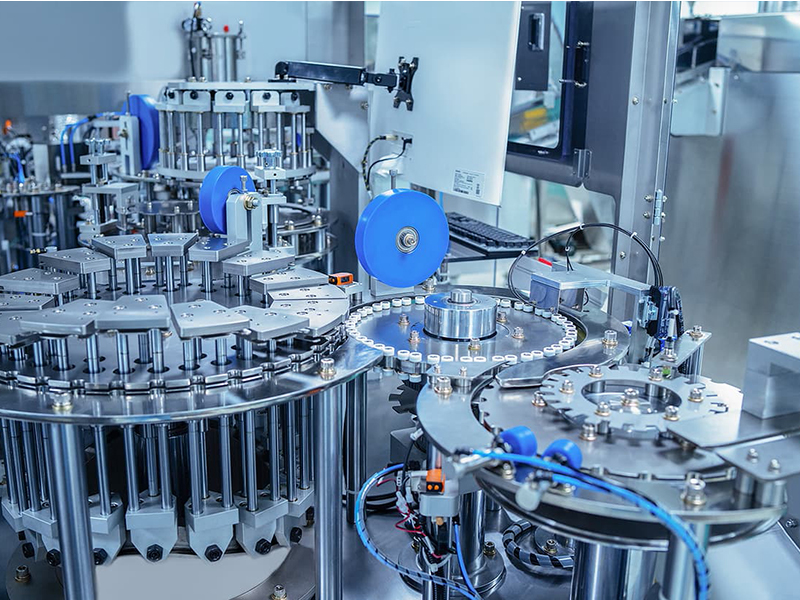
As a vital component of smart manufacturing, non-standard automated machinery is emerging as a key force driving industrial upgrading and efficiency improvements within enterprises. A thorough understanding of the concepts, characteristics, and application fields of non-standard automated machinery is crucial for enterprises seeking to maintain a leading position amidst fierce market competition. Looking ahead, we have every reason to believe that non-standard automated machinery will play an increasingly pivotal role in the realm of smart manufacturing, contributing significantly to the sustained development and transformative upgrading of the industry.