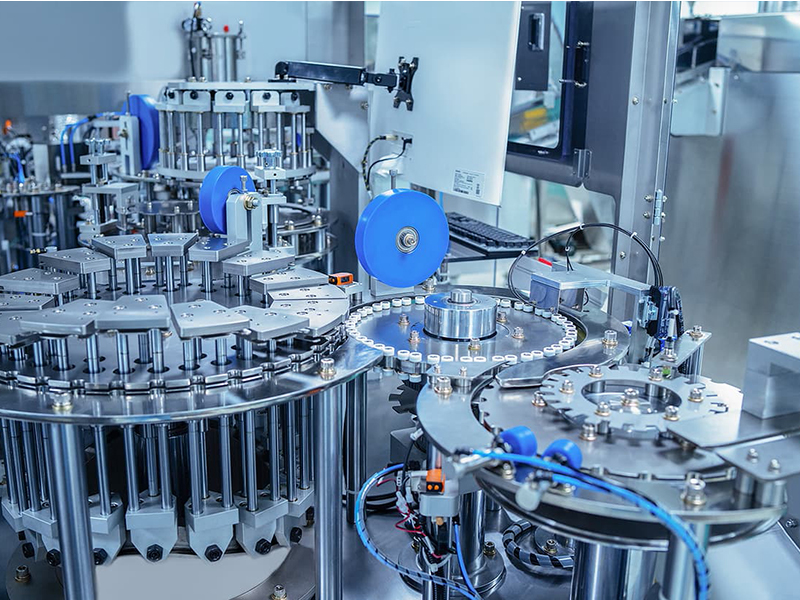
The Advantages of Automated Production Lines: A Production Revolution of the Industrial Era
In today's era of rapid technological advancement, automated production lines have emerged as a vital pillar of modern manufacturing. They not only significantly boost production efficiency but also reduce production costs, thereby enhancing an enterprise's market competitiveness. This article explores the advantages of automated production lines from various perspectives, revealing how they are driving a production revolution in the era of Industry 4.0.
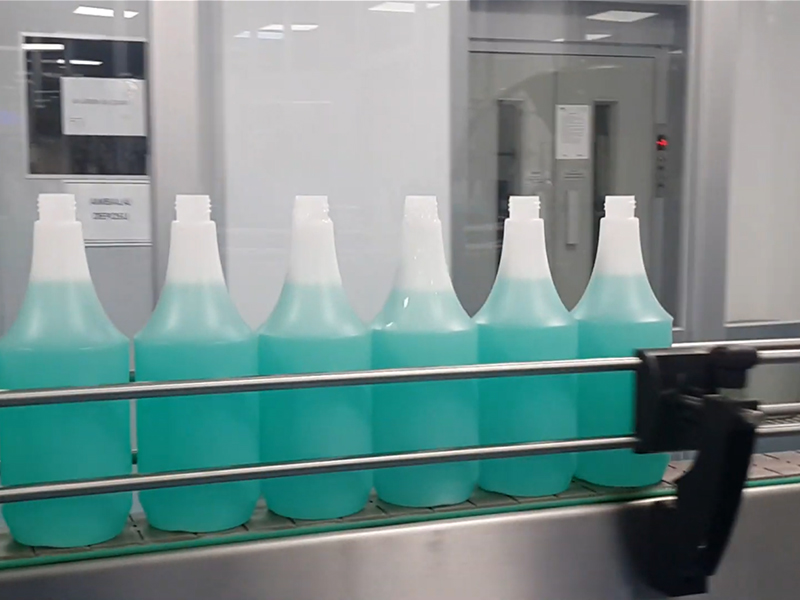
1. Enhanced Production Efficiency
Through the utilization of advanced mechanical equipment and intelligent control systems, automated production lines achieve the automation and intelligentization of the manufacturing process. Compared to traditional manual production methods, automated lines operate continuously and stably, resulting in a substantial increase in production efficiency. Furthermore, automated lines enable high-precision, high-quality manufacturing, minimizing the impact of human factors on product quality.
2. Reduced Production Costs
The implementation of automated production lines can lead to a significant reduction in labor costs. While traditional manufacturing methods require extensive human resources, automated lines utilize mechanical equipment to replace manual labor, thereby lowering workforce expenses. Concurrently, automated lines help minimize material waste and energy consumption during the production process, further boosting an enterprise's economic performance.
3. Enhanced Market Competitiveness
The adoption of automated production lines enables enterprises to respond to market demands with greater speed and precision. Through flexible production line adjustments, companies can rapidly adapt to market fluctuations and manufacture products that align with current market needs. This capacity for rapid market responsiveness positions enterprises advantageously amidst fierce market competition.
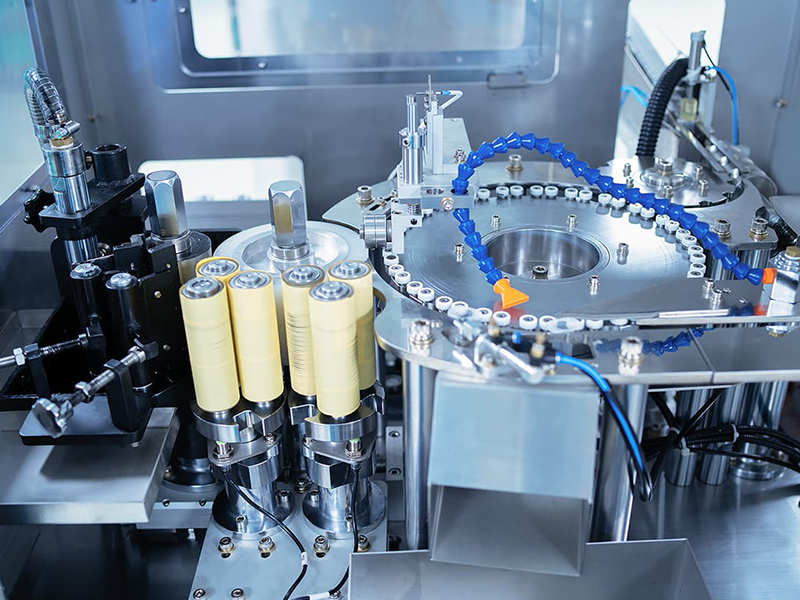
4. Improved Production Safety
Leveraging intelligent control systems, automated production lines can monitor various parameters and safety conditions within the production process in real time, allowing for the timely detection and resolution of potential safety hazards. Compared to traditional manual production methods, automated lines significantly reduce the incidence of workplace accidents, thereby safeguarding the lives and safety of employees.
5. Promoted Industrial Upgrading
The application of automated production lines drives the industrial upgrading of the manufacturing sector. By introducing advanced automation equipment and intelligent control systems, enterprises can modernize and upgrade their traditional production methods, thereby improving both production efficiency and product quality. Moreover, the use of automated lines fosters the development of internal digitalization and intelligentization within enterprises, laying a solid foundation for their sustainable development.
6. Addressing the Challenge of Labor Shortages
With the aging of the population and shifts in the labor market, labor shortages have emerged as a significant challenge for many enterprises. The implementation of automated production lines can, to a certain extent, alleviate this pressure. By utilizing mechanical equipment to replace human labor, companies can reduce their reliance on human resources while simultaneously ensuring the maintenance of production efficiency.
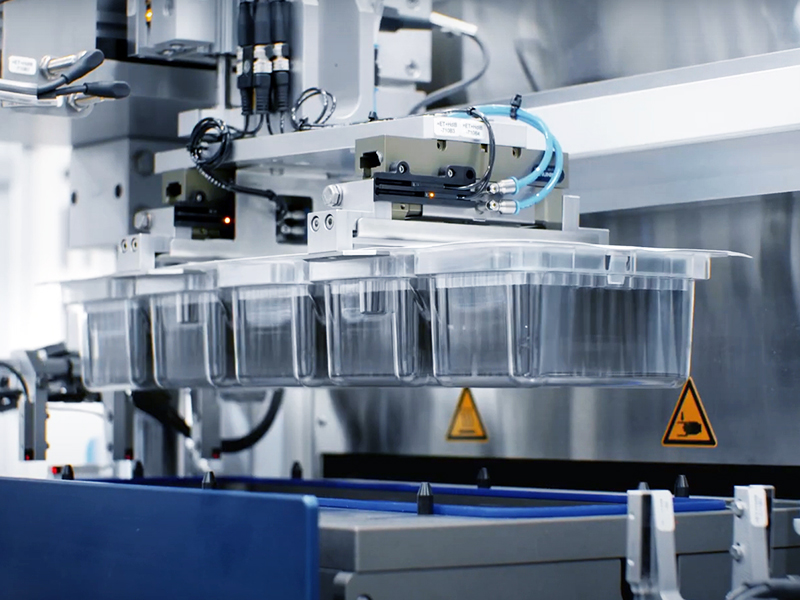
In summary, automated production lines offer significant advantages in areas such as boosting production efficiency, lowering production costs, enhancing market competitiveness, improving workplace safety, facilitating industrial upgrading, and addressing labor shortages. They serve as one of the key hallmarks of the Industry 4.0 era and represent a critical pathway for the manufacturing sector to achieve transformation and upgrading. As technology continues to evolve and advance, it is anticipated that automated production lines will play an even more pivotal role in the future, driving the manufacturing industry toward a more efficient, intelligent, and sustainable path of development.