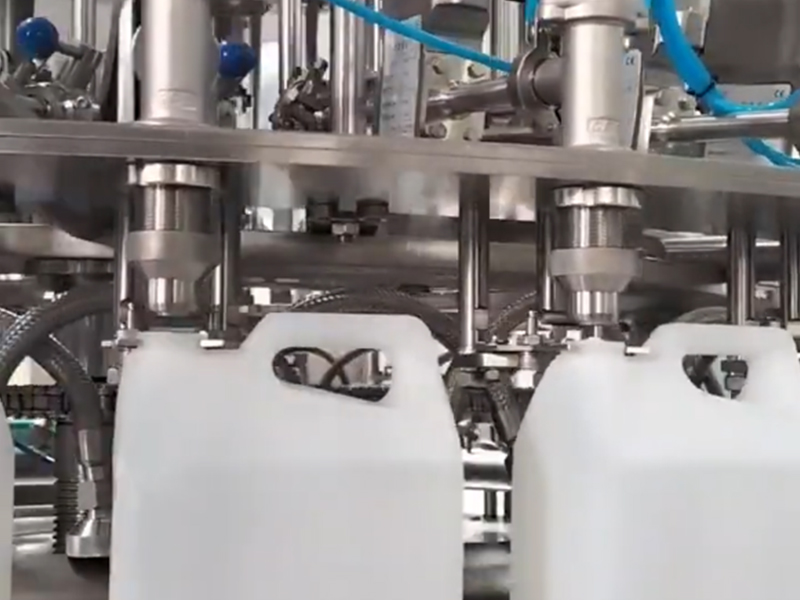
Fully Automated Assembly Line Equipment for Smart Manufacturing
With the rapid advancement of technology and the continuous rise in labor costs, fully automated assembly line equipment is gradually becoming a core competitive asset in modern manufacturing. It not only boosts production efficiency and reduces labor costs but also demonstrates unparalleled advantages in terms of quality control and product consistency. Characterized by its high efficiency, precision, and labor-saving capabilities, this technology is reshaping traditional production models and leading the manufacturing sector into a new era of intelligence and automation. This article will delve into the operating principles, application fields, and future development trends of fully automated assembly line equipment, inviting you to discover the allure of this technological marvel.
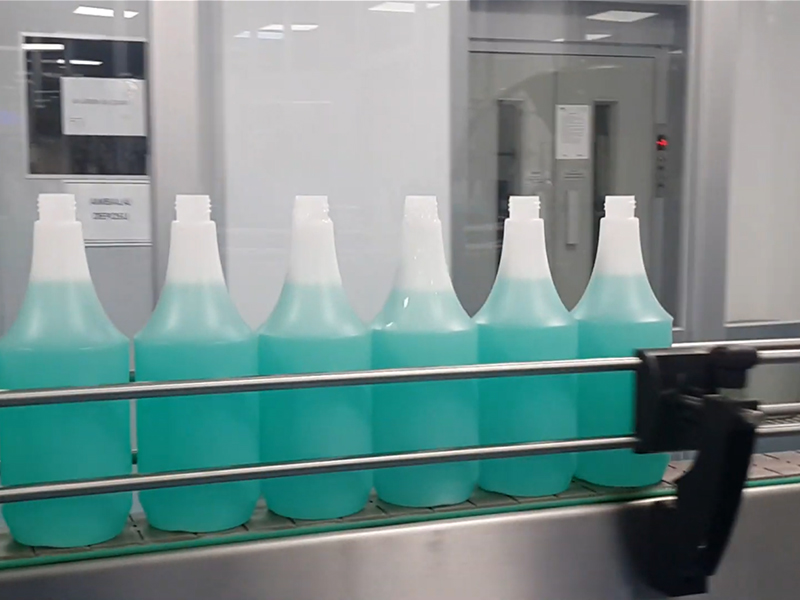
1. Principles of Fully Automated Assembly Line Equipment
Fully automated assembly line equipment constitutes a highly automated production system that utilizes precision mechanical devices, sensors, and actuators to achieve a seamless transition of products from raw materials to finished goods.
Specifically, fully automated assembly line equipment refers to a system that employs advanced automation control technologies to organically integrate multiple independent production units, thereby realizing a continuous, automated production workflow from raw materials to final products. It integrates the latest advancements across various disciplines—including mechanical design, electronic information technology, sensor technology, and control theory—standing as a pinnacle of modern industrial technology.
The application of fully automated assembly line equipment has dramatically boosted production efficiency. These assembly lines are capable of automatically executing a series of processes—such as material handling, processing, assembly, and inspection—in strict accordance with a preset production workflow, thereby significantly enhancing overall efficiency. Furthermore, through advanced control systems, this equipment enables real-time monitoring and adjustment of the production process, ensuring both product quality and operational safety. While traditional production models often require substantial human labor, fully automated assembly line equipment—leveraging devices such as precision robotic arms and sensors—can operate continuously around the clock without interruption.
2. Application Fields of Fully Automated Assembly Line Equipment
Fully automated assembly line equipment is widely utilized across a diverse range of industries, including automotive, electronics, home appliances, and food processing. This not only minimizes the waste of human resources but also shortens production cycles by streamlining intermediate stages, thereby enabling products to reach the market faster and effectively meet consumer demands.
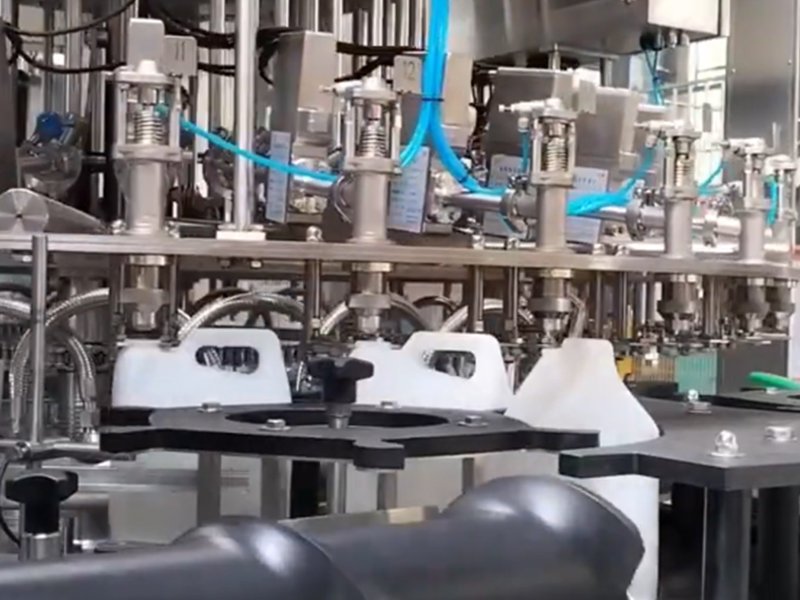
The precision and stability of fully automated assembly line equipment also rank among its most significant advantages. Throughout the production process, every stage is subject to rigorous parameter control and quality inspection to ensure that product quality and performance reach their optimal state. In the automotive manufacturing sector, assembly line equipment facilitates the rapid assembly of components and the production of complete vehicles; in the electronics industry, such equipment enables the precise assembly and testing of electronic components; while in the home appliance and food industries, assembly line equipment ensures efficient production and consistent product quality.
3. Future Development Trends for Fully Automated Assembly Line Equipment
With the continuous advancement of technologies such as artificial intelligence (AI) and the Internet of Things (IoT), fully automated assembly line equipment is evolving toward greater intelligence, flexibility, and modularity. Intelligent assembly lines utilize learning and optimization processes to continuously enhance production efficiency and quality; flexible assembly lines can adapt to the production requirements of diverse products, thereby boosting the agility and adaptability of the production line; and modular assembly lines allow for convenient expansion and upgrading to meet the ever-changing production demands of enterprises. This high degree of controllability ensures that manufactured products align more closely with market demands, thereby enhancing an enterprise's competitiveness.
Furthermore, fully automated assembly line equipment yields significant benefits in terms of energy conservation and emission reduction. Through precise control and efficient energy utilization, it minimizes energy consumption and environmental pollution while simultaneously maintaining high production efficiency. This not only aligns with the principles of sustainable development but also serves as a crucial manifestation of an enterprise's commitment to green manufacturing and social responsibility.
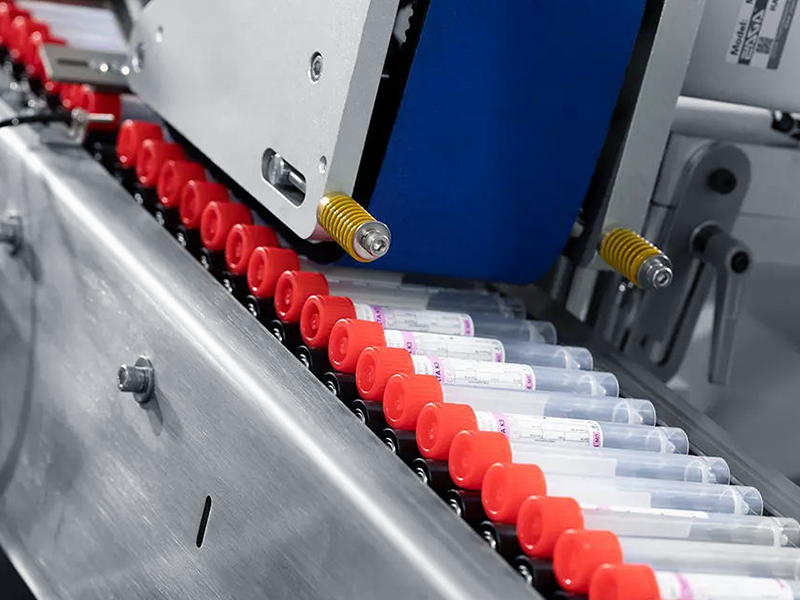
Admittedly, the initial investment and operational costs associated with fully automated assembly line equipment are relatively high; however, from a long-term perspective, this constitutes a worthwhile investment. As technology advances and such equipment becomes more widely adopted, costs are expected to gradually decrease, while the resulting benefits will become increasingly pronounced. Consequently, an increasing number of enterprises are recognizing the critical importance of fully automated assembly line equipment and are embracing it as a pivotal step in their strategic transformation and industrial upgrading.