Fully Automated Packaging Production Line: Leading the Future of the Packaging Industry
With the rapid development of technology, fully automated packaging production lines have become the mainstream trend in the packaging industry. Their high efficiency, precision, and sustainability have brought revolutionary changes to various industries. This article will explore the advantages, types, applications, and development prospects of fully automated packaging production lines.
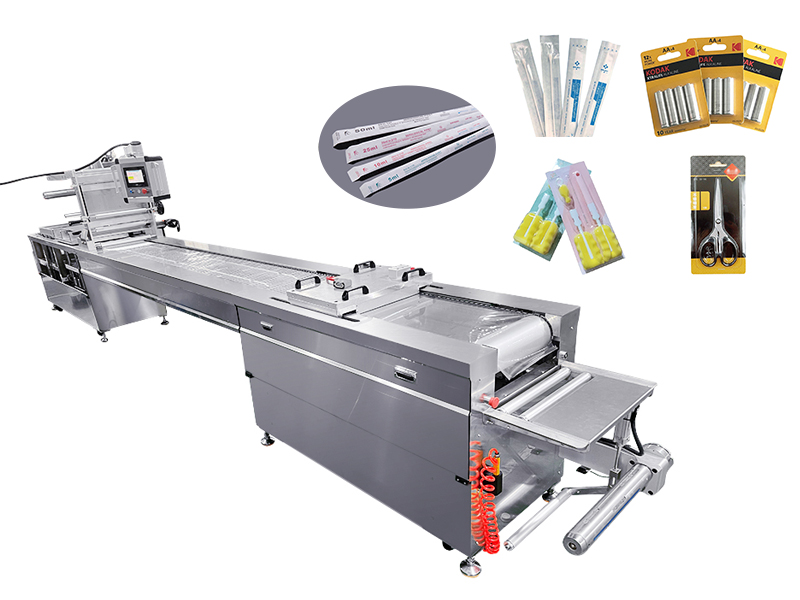
1. Advantages of Fully Automated Packaging Production Lines
Fully automated packaging production lines are highly favored by the packaging industry due to their high efficiency, precision, and sustainability. They can complete packaging tasks quickly and accurately, greatly improving production efficiency and reducing labor costs. In addition, fully automated packaging production lines also have the following advantages:
Reduced Human Error: Through programmed control, fully automated packaging production lines can reduce human error and improve packaging quality.
Increased Flexibility: Fully automated packaging production lines can quickly adjust the production process according to different product specifications and packaging requirements, improving production flexibility.
Reduced Labor Intensity: Fully automated packaging production lines can reduce the labor intensity of workers and improve production safety.
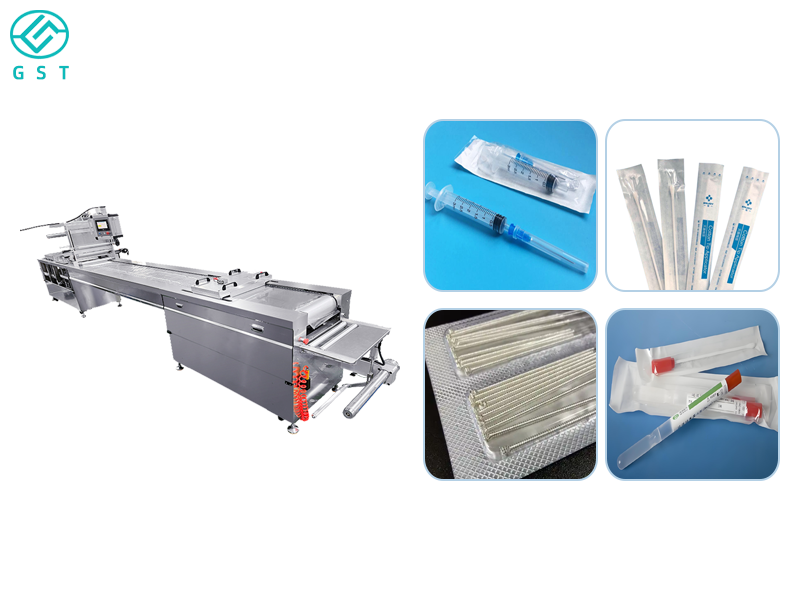
2. Types of Fully Automated Packaging Production Lines
Fully automated packaging production lines can be categorized according to their application scenarios and functions as follows:
Pharmaceutical Packaging Production Lines: Primarily used for the automated packaging of pharmaceuticals, including medicine bottles, blister packs, and medicine bags.
Food Packaging Production Lines: Primarily used for the automated packaging of food products, such as potato chips, biscuits, and candy.
Daily Necessities Packaging Production Lines: Primarily used for the automated packaging of daily necessities, such as paper towels, wet wipes, and sanitary napkins.
Chemical Packaging Production Lines: Primarily used for the automated packaging of chemical products, such as coatings, inks, and adhesives.
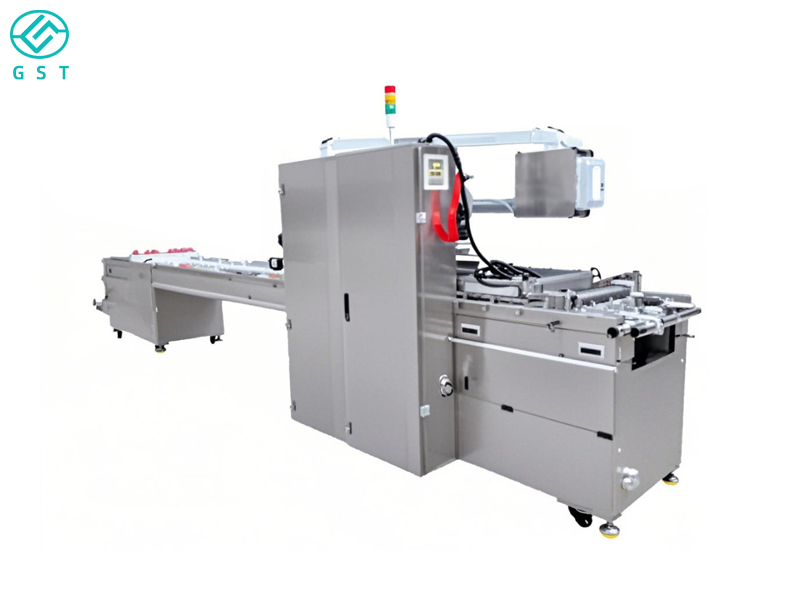
3. Application and Development Prospects of Fully Automated Packaging Production Lines
Fully automated packaging production lines have been widely applied across various industries, making significant contributions to improving production efficiency, reducing costs, and enhancing product quality. In the future, fully automated packaging production lines will continue to leverage their advantages and lead the development of the packaging industry. The following are the development trends of fully automated packaging production lines:
High Level of Automation: With the continuous development of artificial intelligence technology, fully automated packaging production lines will achieve a higher degree of automation, better adapting to various complex production environments.
Green and Environmentally Friendly: With increasing environmental awareness, fully automated packaging production lines will place greater emphasis on environmental protection and sustainable development, adopting more environmentally friendly materials and processes to reduce environmental impact.
Intelligent Sensing and Decision-Making: Future fully automated packaging production lines will be equipped with more advanced sensors and machine vision systems, enabling intelligent sensing and decision-making, further improving production efficiency and product quality.
Personalized Customization: With the diversification of consumer demands, fully automated packaging production lines will be able to quickly respond to market demands, achieving personalized customization to meet the needs of different customers.
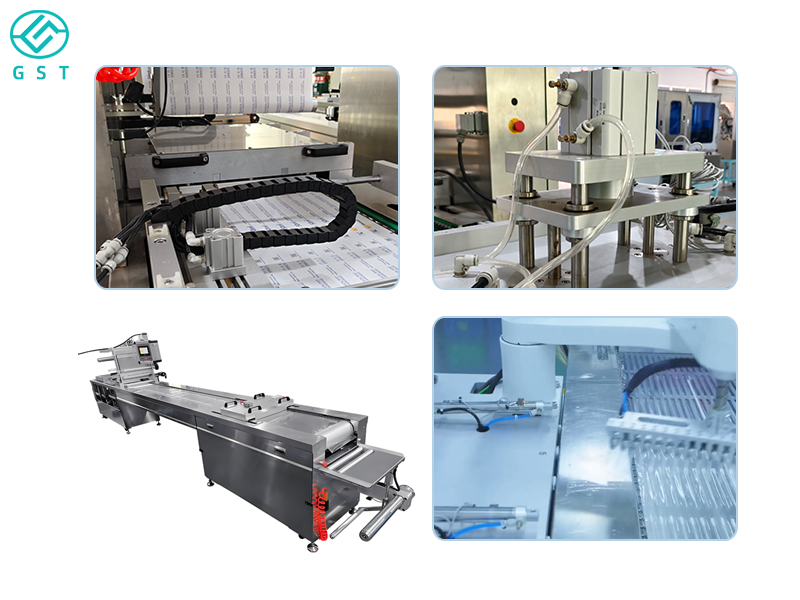
In conclusion, as the future trend of the packaging industry, fully automated packaging production lines will play a greater role in improving production efficiency, reducing costs, and improving product quality. In the future, we will see more fully automated packaging production lines widely applied and developed across various industries.