Automated assembly lines: the future path to industrial upgrading
With the rapid development of technology, automated assembly lines are leading the way for future industrial upgrading. Automated assembly lines organically combine automated equipment with traditional assembly lines, improving production efficiency and reducing production costs, becoming an inevitable trend in manufacturing development. This article will explore the current status, advantages, and future development trends of automated assembly lines.
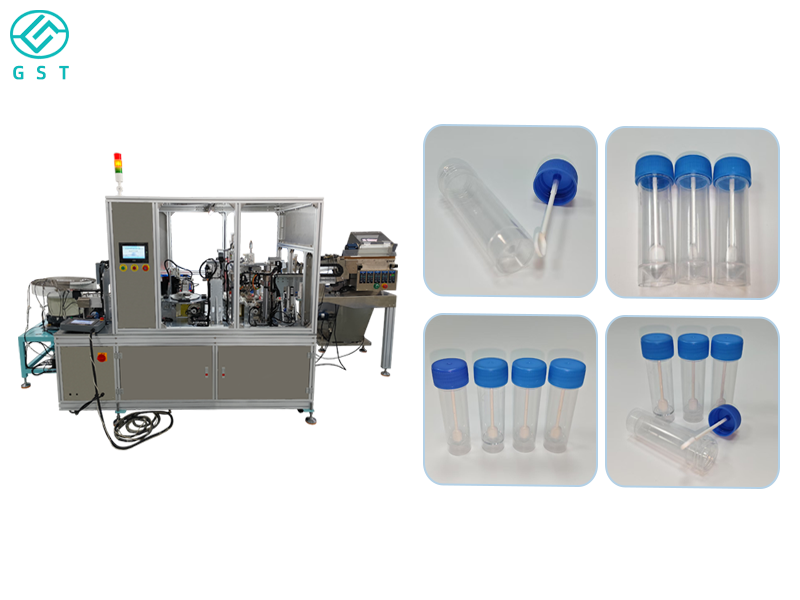
1. Current Status of Automated Assembly Lines
In recent years, with rising labor costs and increasing consumer demands for product quality, automated assembly lines have been increasingly widely used in manufacturing. Automated assembly lines utilize advanced automated equipment, such as robots, sensors, and automated instruments, to achieve automation and intelligence in the production process. This not only improves production efficiency and reduces production costs but also enhances the stability of product quality.
2. Advantages of Automated Assembly Lines
Improved Production Efficiency: Automated assembly lines employ advanced automated equipment, enabling automation and intelligence in the production process, significantly improving production efficiency.
Reduced Production Costs: Automated assembly lines reduce labor costs and, by optimizing the production process, reduce waste, thereby lowering production costs.
Improved Product Quality: Automated assembly lines use high-precision equipment and sensors, achieving stability and consistency in product quality, thus improving overall product quality. Enhanced Production Flexibility: Automated assembly lines employ a modular design, enabling rapid adaptation to the production needs of different products and enhancing production flexibility.
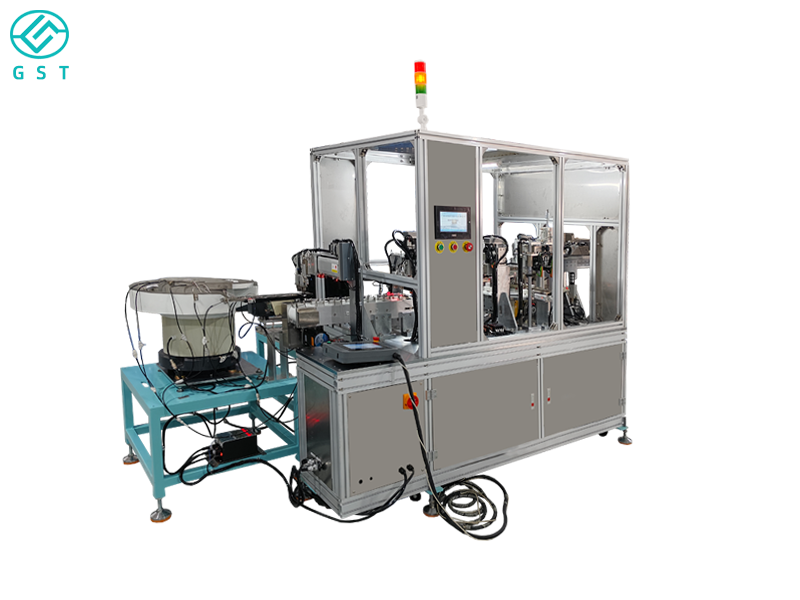
3. Future Development Trends of Automated Assembly Lines
Highly Intelligent: Future automated assembly lines will be more intelligent, capable of self-adaptation, self-decision-making, and self-learning functions, further improving production efficiency and product quality.
Application of IoT Technology: IoT technology will enable interconnection between devices, improving the synergy and efficiency of the production process.
Customized Production: With the diversification of consumer demand, future automated assembly lines will focus more on customized production to meet individual consumer needs.
Green and Environmentally Friendly: Future automated assembly lines will place greater emphasis on environmental protection and energy conservation, employing environmentally friendly materials and energy-saving technologies to achieve green production.
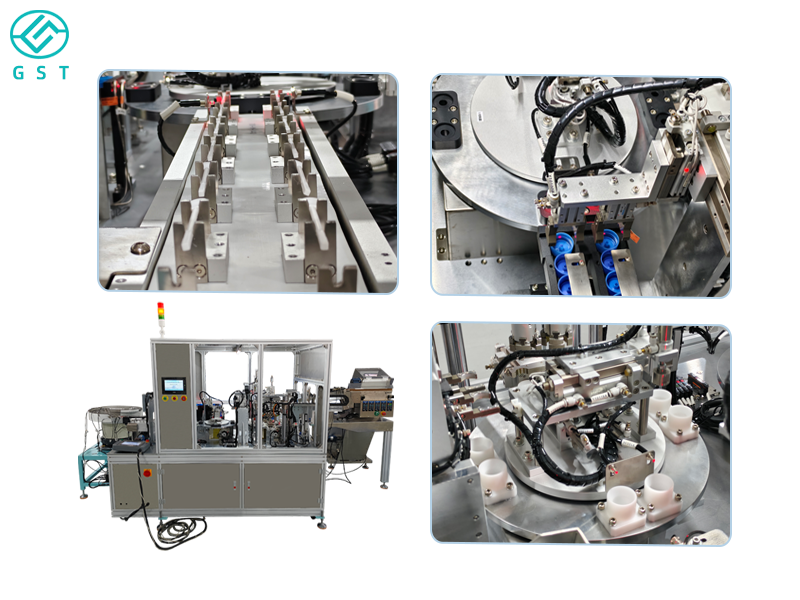
Automated assembly lines are an inevitable trend in manufacturing development, offering advantages such as improved production efficiency, reduced production costs, enhanced product quality, and increased production flexibility. In the future, with continuous technological advancements, automated assembly lines will become more intelligent, highly interconnected, and focused on customization and environmental protection and energy conservation. The manufacturing industry should actively respond to changes, increase investment in technology, and promote the development of automated assembly lines in order to enhance industrial competitiveness and achieve sustainable development.