Automatic quantitative packaging machine: A major innovation that is changing the packaging industry
With the continuous development of technology, automatic quantitative packaging machines are increasingly widely used in various industries. They not only improve packaging efficiency but also save labor costs. This article will detail the principles, characteristics, application areas, and future development trends of automatic quantitative packaging machines, helping readers understand this significant innovation in the packaging industry.
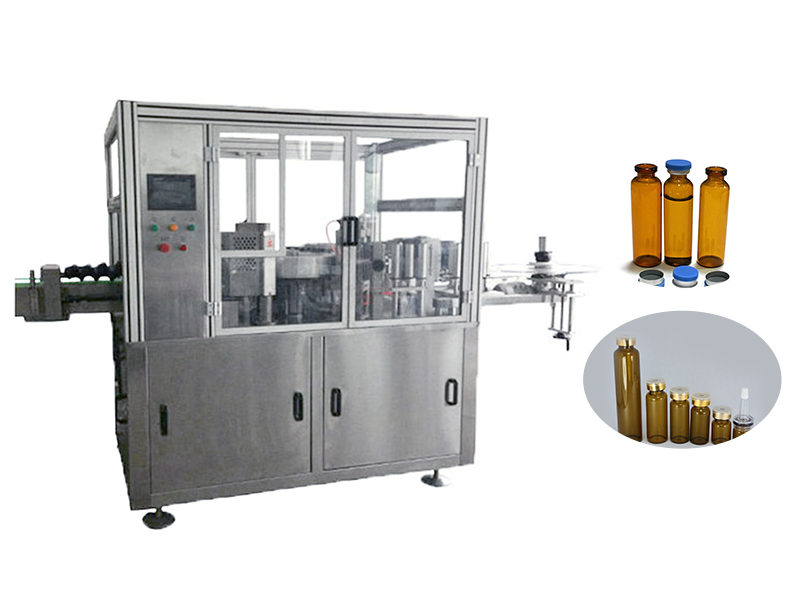
1. Principle of Automatic Quantitative Packaging Machines
Automatic quantitative packaging machines mainly utilize a control system to achieve quantitative bagging of goods. Sensors detect the weight of the goods and transmit the data to the control system. The control system compares the preset packaging weight with the actual detection data and adjusts the robotic arm's movements and the amount of packaging material used to achieve precise quantitative packaging.
2. Characteristics of Automatic Quantitative Packaging Machines
High Efficiency: The high packaging capacity of automatic quantitative packaging machines can greatly improve production efficiency.
High Precision: Advanced sensors and control systems ensure precise control of packaging weight.
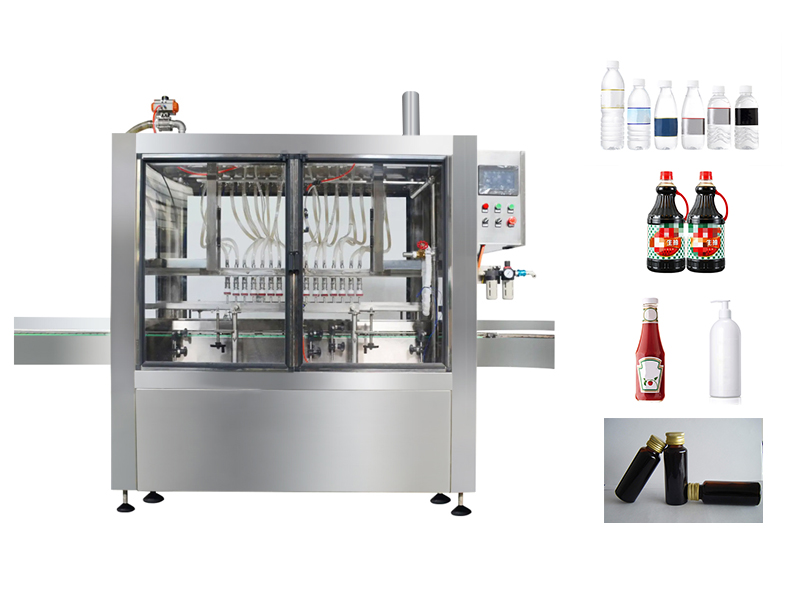
Wide Applicability: Suitable for various specifications and properties of goods, such as granules, powders, and liquids.
Strong Safety: Equipped with backup safety protection devices to effectively avoid safety accidents caused by improper operation.
Ease of Operation: Automatic quantitative packaging machines are simple to operate and easy to maintain, significantly reducing labor costs.
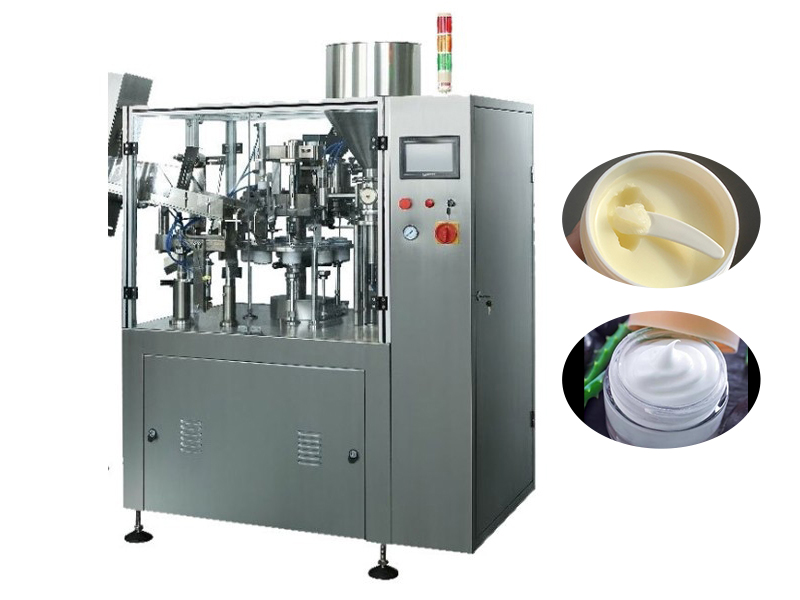
3. Application Areas of Automatic Quantitative Packaging Machines
Liquid Food Industry: Used for quantitative packaging of various solid foods, such as rice, flour, candy, and beverages.
Chemical Industry: Used for quantitative packaging of various chemical raw materials and additives, such as paints, coatings, and fertilizers.
Pharmaceutical Industry: Used for quantitative packaging of various medicines and health products, such as capsules, tablets, and oral liquids.
Other Industries: Widely used in industries such as agriculture, light industry, and electronics.
4. Future Development Trends of Automatic Quantitative Packaging Machines
Marking: With the continuous development of artificial intelligence technology, future automatic quantitative packaging machines will be more precise in marking, enabling more refined operation and control. For example, through machine learning and big data analysis technology, adaptive adjustments to packaging speed and accuracy can be achieved, further improving production efficiency and quality.
Green and Environmentally Friendly: With increasing environmental awareness, future automatic quantitative packaging machines will pay more attention to environmental protection and energy conservation. For example, using renewable energy and environmentally friendly materials will reduce emissions and environmental impact.
Personalized Customization: As consumer demands continue to evolve, future automated quantitative packaging machines will place greater emphasis on personalized customization. For example, digital design and manufacturing technologies will enable the design and production of packaging in various specifications, shapes, and colors to meet diverse consumer needs.
Globalization and Networking: With the continuous development of globalization and the internet, future automated quantitative packaging machines will focus more on globalization and networking. For example, IoT technology and cloud computing platforms will enable remote monitoring and management, improving production and management efficiency.
In conclusion, as a significant innovation in the packaging industry, automated quantitative packaging machines will continue to play a vital role and evolve in the future. They will bring greater convenience and innovation to various industries, driving the development and progress of society as a whole.