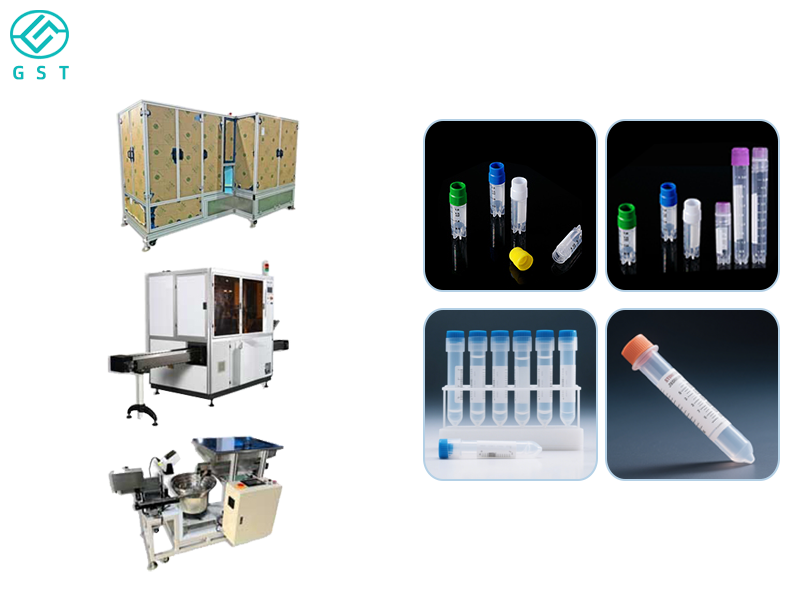
Fully Automated Production Lines: The Key to the Future of Manufacturing
With continuous technological advancements, fully automated production lines have become an indispensable part of modern manufacturing. This highly efficient production method significantly improves production efficiency, reduces costs, and ensures product quality, bringing substantial economic benefits to enterprises.
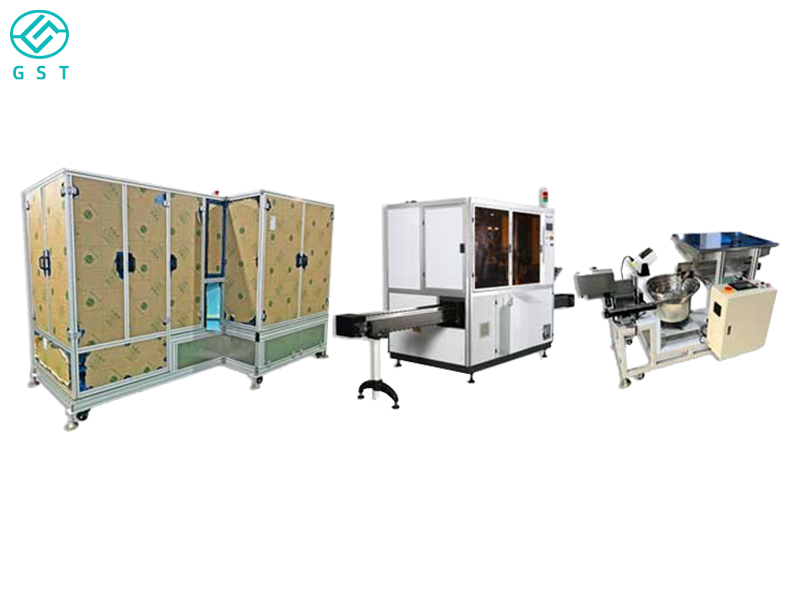
In today's highly competitive market environment, all industries have increasingly higher requirements for production processes. To meet these demands, many sectors have introduced fully automated production lines. The application of fully automated production lines is already very common in industries such as automobile manufacturing, electronics assembly, and food processing. This production method not only improves production efficiency but also reduces labor costs, minimizes human error, and enhances product quality.
Implementing a fully automated production line requires several steps. First, a detailed design and planning of the production process is necessary to ensure that each step can be completed in the shortest possible time. Second, equipment needs to be debugged and optimized to ensure stable operation during production. Furthermore, the entire production line needs to be monitored and optimized to promptly identify and resolve problems during production. Implementing a fully automated production line also requires attention to the allocation and management of human resources to ensure that employees can provide necessary support and assistance when needed.
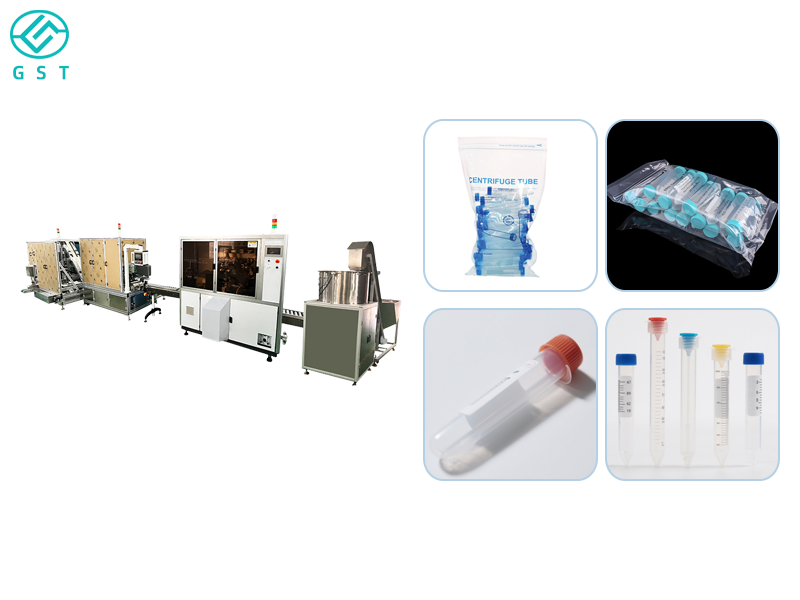
Real-world case studies demonstrate that fully automated production lines offer significant advantages in improving production efficiency, reducing costs, and enhancing product quality. However, this production method also has some drawbacks, such as high equipment investment costs, significant technical complexity, and the need for specialized technical personnel for maintenance and management. To further improve the practicality and reliability of automated production lines, companies need to continuously upgrade and innovate their technologies, strengthen employee training and management, and improve teamwork capabilities.
In the future, with intensifying market competition and increasing consumer demands for product quality, fully automated production lines will become a crucial development direction for the manufacturing industry. Market demand is expected to maintain a growth trend, with more companies joining the ranks of automated production lines. Simultaneously, with continuous technological innovation and development, the application of fully automated production lines will become more widespread, and the production process will become more efficient, intelligent, and environmentally friendly.
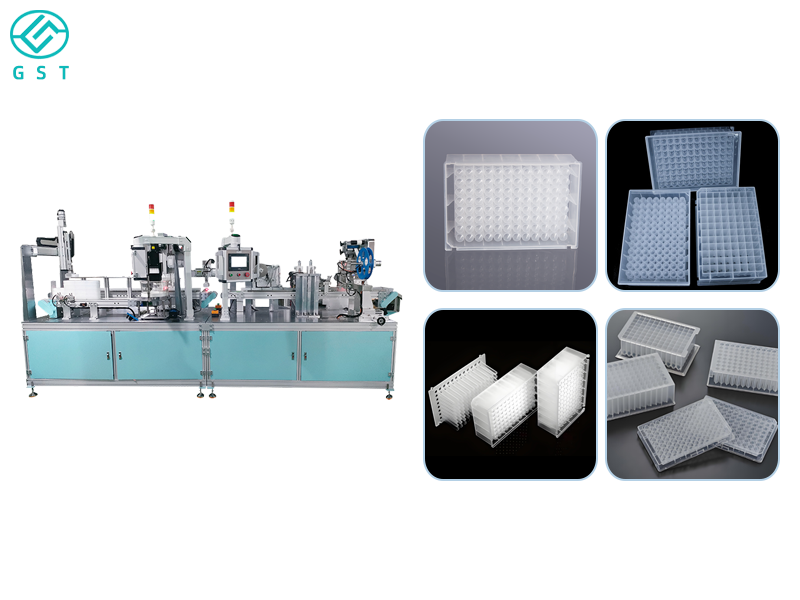
In conclusion, fully automated production lines are a core development direction for modern manufacturing, possessing significant advantages and promising prospects. For companies, early recognition and investment in the development and implementation of automated production lines can not only improve production efficiency and reduce costs but also enhance product quality and competitiveness, laying a solid foundation for sustainable development. At the same time, enterprises also need to pay attention to the problems and challenges that may be encountered in the implementation of automated production lines, and actively explore solutions to ensure their successful application and bring long-term economic benefits.