Liquid quantitative filling machine: a key piece of equipment for improving production efficiency and product quality.
In the chemical, food, and pharmaceutical industries, liquid quantitative filling machines have become one of the key production equipment. This efficient and precise filling equipment significantly improves production efficiency and ensures product quality, thus gaining widespread popularity among enterprises. This article will detail the characteristics, working principle, and application scenarios of liquid quantitative filling machines, analyze their advantages and characteristics compared to other filling methods, and discuss their future development trends and application prospects.
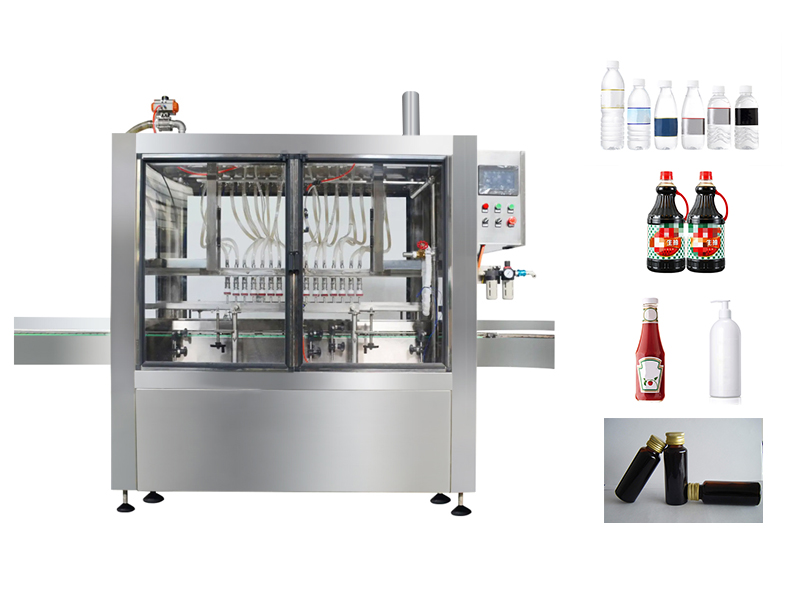
In the chemical, food, and pharmaceutical industries, the role of liquid quantitative filling machines is becoming increasingly prominent. This equipment can accurately and efficiently fill liquid materials into designated containers, providing strong support for enterprise production. Liquid quantitative filling machines have advantages such as high precision, high speed, and ease of operation, making them an important part of production enterprises.
Liquid quantitative filling machines mainly consist of a filling head, a control system, a transmission system, and a cleaning system. Its working principle is mainly that the control system receives production instructions, the transmission system drives the filling head to perform the filling operation, and the cleaning system cleans the filling head after filling to ensure hygiene for the next batch of production. In practical applications, liquid quantitative filling machines have achieved a high degree of automation, significantly reducing labor costs while improving production efficiency and product quality.
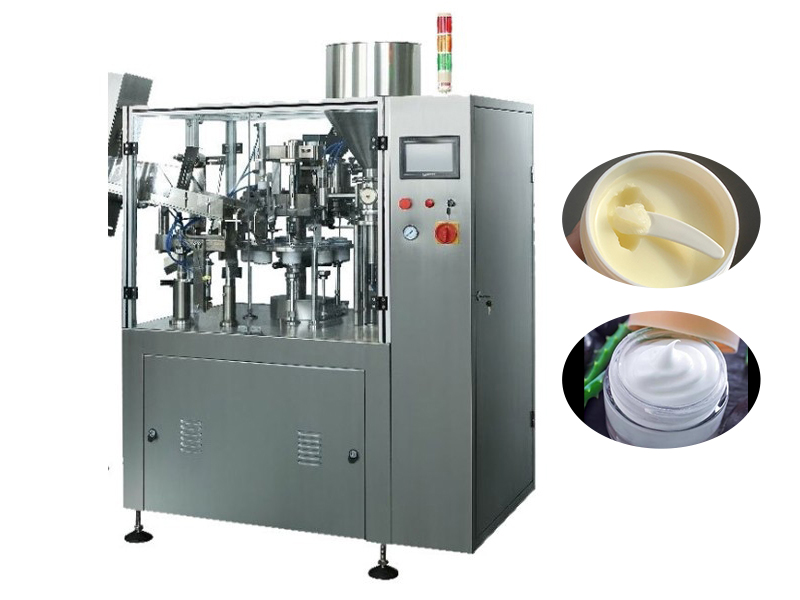
Compared to other filling methods, liquid quantitative filling machines offer multiple advantages. Firstly, they employ high-precision metering pumps, enabling accurate liquid measurement and eliminating human error. Secondly, their enclosed structure effectively prevents contamination of the liquid material during the filling process, ensuring product quality. Furthermore, liquid quantitative filling machines are characterized by high speed and ease of operation, greatly enhancing production efficiency.
With continuous technological advancements, liquid quantitative filling machines will have even broader application prospects in the future. The market demand for liquid quantitative filling machines is expected to continue growing in the coming years, particularly in the pharmaceutical, food, and chemical industries. Moreover, with the advancement of the Belt and Road Initiative, more and more companies will expand internationally, giving liquid quantitative filling machines, as efficient and precise filling equipment, more opportunities to play a role in the international market.
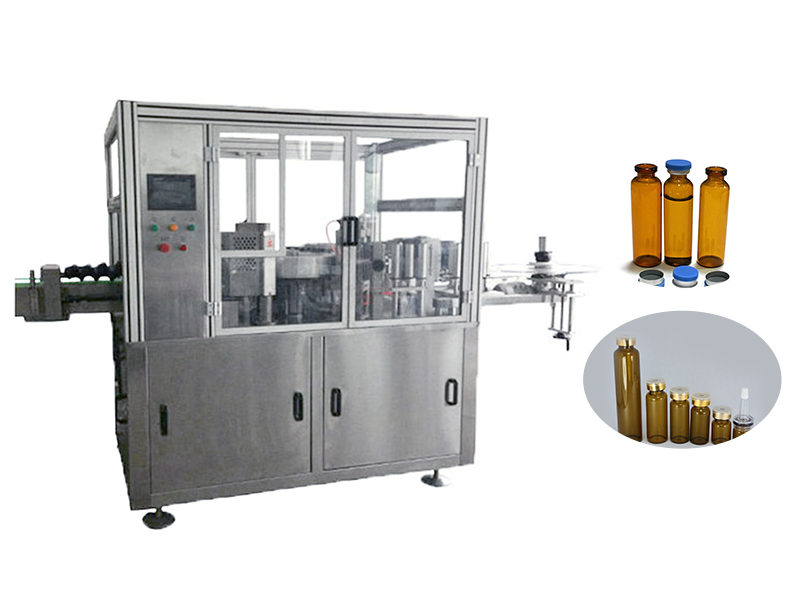
Overall, liquid quantitative filling machines, as key equipment for improving production efficiency and product quality, have been widely used in the chemical, food, and pharmaceutical industries, demonstrating broad development prospects. For manufacturing companies, choosing the right liquid quantitative filling machine can not only improve production efficiency and reduce production costs, but also ensure product quality and enhance competitiveness. Therefore, when selecting filling equipment, companies should fully consider their own production needs and product characteristics to choose the most suitable equipment to adapt to market development requirements.