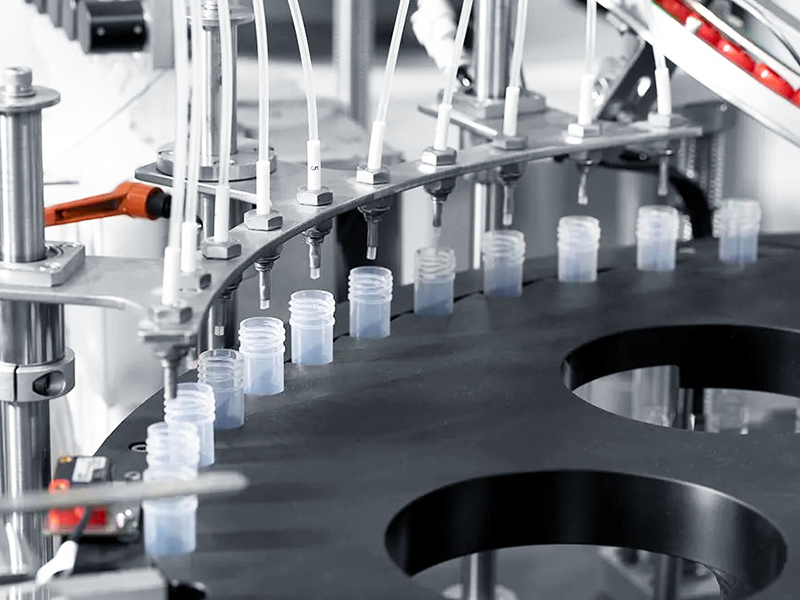
Technical Innovation and Application Value of Fully Automated Assembly Machines
As an indispensable component of modern manufacturing, fully automated assembly machines are widely utilized across diverse sectors—including electronics, medical devices, automotive, and home appliances—distinguished by their high efficiency, precision, and stability. These machines not only boost production throughput but also effectively minimize errors associated with manual operations, thereby generating significant economic benefits for enterprises.
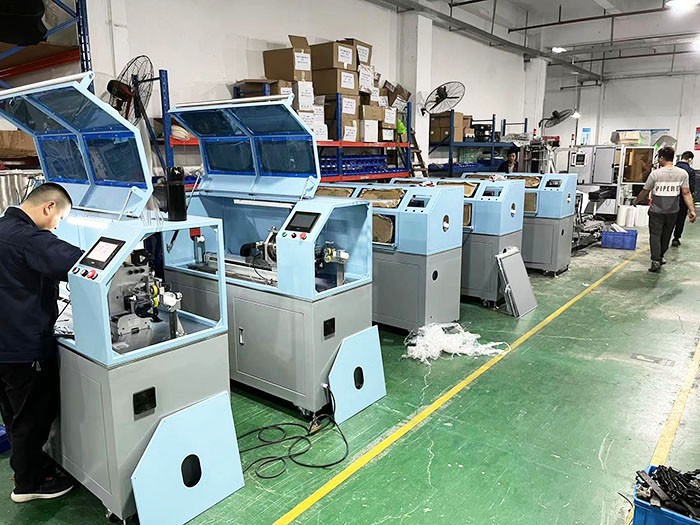
A fully automated assembly machine is a system that leverages mechanical engineering, electronic controls, and software technology to execute the automated feeding, positioning, assembly, and inspection of components. Its core structure comprises the following key elements:
1. Automated Feeding System: Utilizes vibrating bowls, conveyor belts, or other transport mechanisms to precisely deliver components to their designated locations.
2. Positioning and Assembly Mechanism: Employs precision machinery—such as servo motors and robotic arms—to execute the gripping, positioning, and assembly of components.
3. Intelligent Control System: Relies on PLCs (Programmable Logic Controllers), industrial computers, or embedded systems to manage operations, enabling the parallel processing of multiple tasks.
4. In-line Inspection System: Utilizes sensors, cameras, and similar devices to monitor for errors during the assembly process in real-time, providing feedback for immediate adjustments.
5. Human-Machine Interface (HMI): Provides operators with user-friendly functions for equipment debugging, fault diagnosis, and parameter configuration.
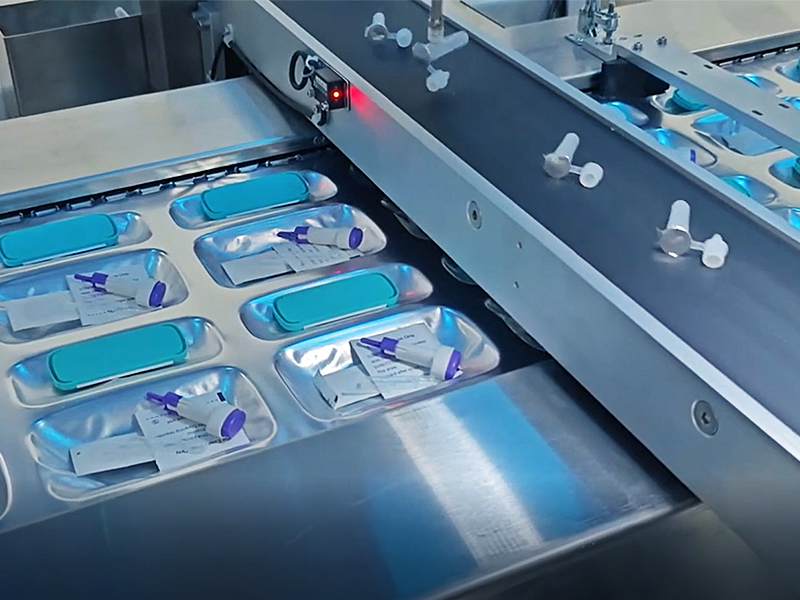
Advantages of Using Fully Automated Assembly Machines
1. Enhanced Production Efficiency: Fully automated assembly machines can execute assembly tasks continuously and rapidly, achieving an efficiency level far superior to that of traditional manual operations. This advantage is particularly pronounced in scenarios involving mass production.
2. Improved Assembly Precision: Through mechanized operations and precise control systems, fully automated assembly machines effectively eliminate assembly deviations—often caused by human fatigue or technical limitations inherent in manual work—thereby significantly enhancing product quality.
3. Reduced Labor Costs: With labor costs constantly on the rise, the widespread adoption of automated equipment has become increasingly critical. Fully automated assembly machines reduce reliance on human operators, enabling enterprises to realize substantial long-term savings on labor expenses.
4. Enhanced Production Safety: In assembly tasks involving high risk or high physical intensity, the use of fully automated assembly machines prevents workers from having to engage directly in hazardous operations, thereby significantly lowering the incidence of workplace accidents.
5. Flexible Adaptability to Diverse Needs: Modern fully automated assembly machines typically support multi-product switching capabilities; through simple software adjustments or component replacements, they can readily adapt to the production requirements of different products, thereby meeting the challenges posed by rapidly changing market demands.
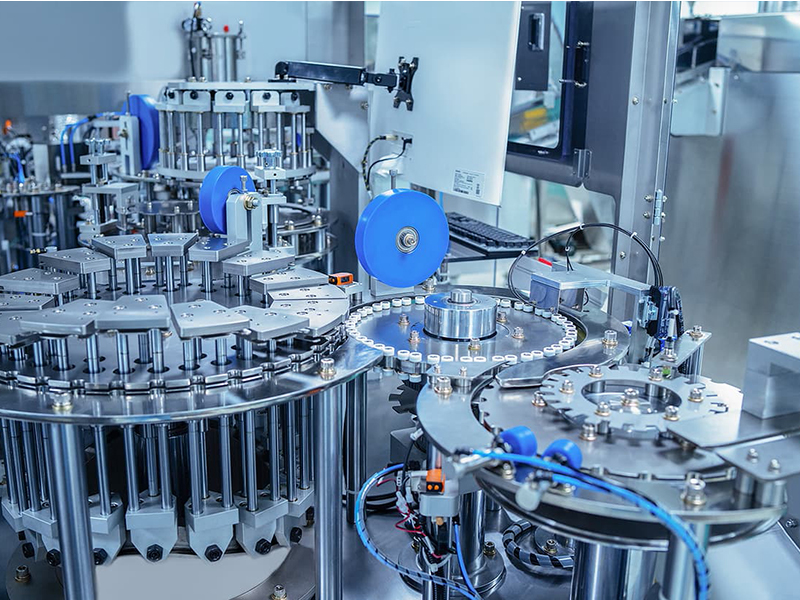
Fully automated assembly machines represent not only a significant manifestation of advancements in industrial automation but also a pivotal tool for enterprises seeking to boost their competitiveness. Through continuous technological innovation and optimization, this equipment is poised to play an increasingly vital role across a broader spectrum of industries, driving the manufacturing sector toward a future characterized by intelligence and sustainability. Looking ahead, market demand for fully automated assembly machines is expected to continue its upward trajectory, establishing them as an indispensable component of the modern industrial ecosystem.