Automated Blister Packaging Equipment: Future Development Trends and Challenges
Automated blister packaging equipment, as a significant force in modern industry, is gradually transforming traditional production methods. With continuous technological advancements and increasingly fierce market competition, the trend towards automation in blister packaging equipment is becoming more pronounced in order to improve production efficiency, reduce costs, and enhance product quality. This article will explore the current state, development trends, and challenges facing automated blister packaging equipment.
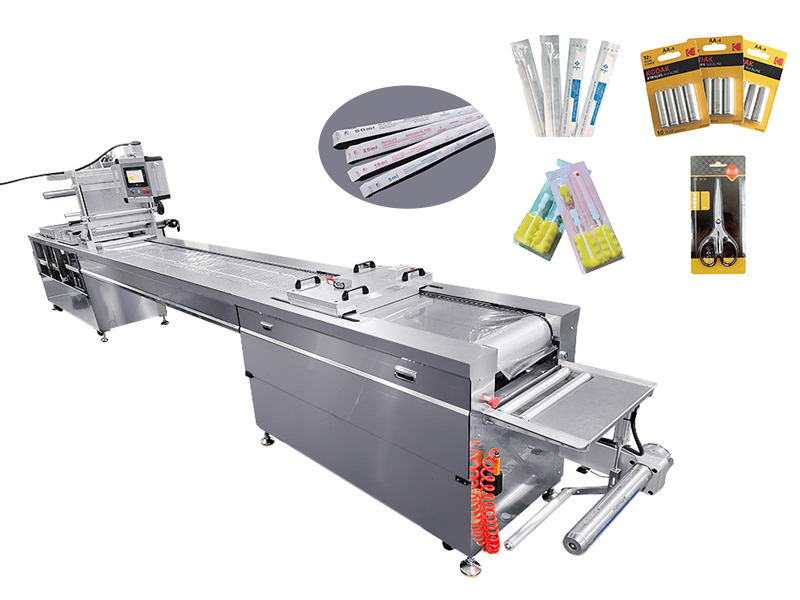
Blister packaging equipment is a crucial piece of production equipment widely used in industries such as food, pharmaceuticals, and chemicals, primarily for protecting products from dust, moisture, and oxidation. Traditional blister packaging equipment suffers from low production efficiency and cumbersome manual operation. However, the introduction of automation technology has effectively addressed these issues. Currently, automation in blister packaging equipment is mainly reflected in the following aspects:
Automated processing: In the manufacturing process of blister packaging equipment, automation technology is integrated throughout, from raw material procurement and processing to finished product inspection. The automated system can automatically adjust equipment parameters according to preset settings, completing various complex operations such as injection molding, cooling, processing, and assembly, significantly improving production efficiency and quality stability.
Automated production management: By introducing technologies such as the Industrial Internet of Things and cloud computing, companies can centrally manage and monitor multiple blister packaging equipment units, achieving comprehensive automation of the production process. The automated system can collect real-time equipment operating data, perform data analysis and processing, and provide strong support for production decisions.
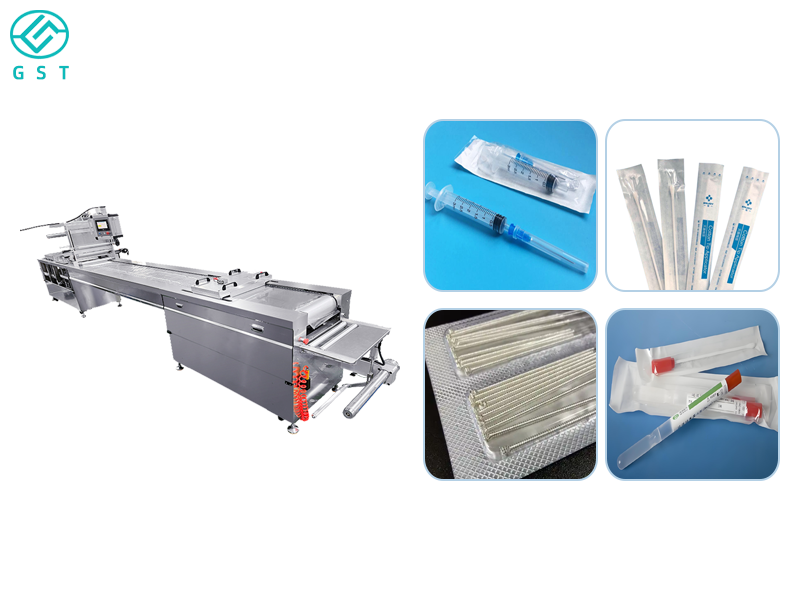
Automated logistics and distribution: To meet the needs of efficient production, automation in blister packaging equipment also includes the automation of logistics and distribution. Through the application of technologies such as automated warehouses and intelligent distribution systems, companies can achieve fast and accurate delivery of raw materials and finished products, thereby improving production efficiency.
Despite the promising prospects for the development of automated blister packaging equipment, several challenges remain. Firstly, the high cost of equipment may pose a financial burden for many small and medium-sized enterprises. Secondly, the maintenance and upgrading of automated systems are also challenging, requiring professional technical personnel for maintenance and management. Furthermore, the adaptability and flexibility of automated equipment need improvement; facing constantly changing market demands, automated systems need to possess the ability to adjust quickly.
Looking ahead, the development of automated blister packaging equipment will be more closely integrated with technologies such as artificial intelligence and the Internet of Things, achieving more intelligent and efficient production. At the same time, to meet the requirements of environmental protection and sustainable development, automated equipment will also focus more on energy conservation, emission reduction, and the circular economy.
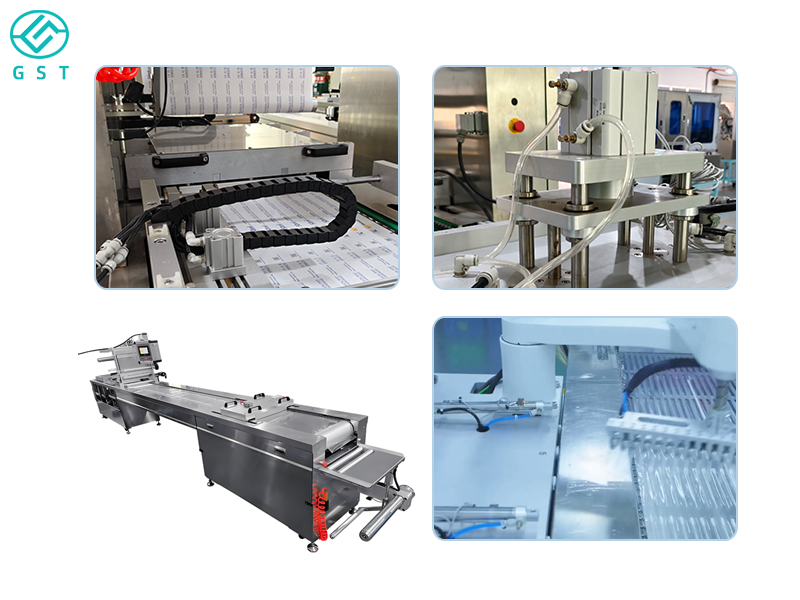
In short, the automation of blister packaging equipment is an important trend in future industrial development, and it is of great significance for improving production efficiency, reducing costs, and enhancing product quality. Although some challenges remain, with continuous technological advancements, we believe that the future of automated blister packaging equipment will be even brighter.