The Importance of Automated Equipment Maintenance and Practical Guidelines
With the rapid advancement of Industry 4.0 and smart manufacturing, automated equipment is finding increasingly widespread application across various production environments. Through precise and efficient operations, automated equipment helps enterprises boost production efficiency and reduce labor costs. However, to ensure that this equipment operates efficiently over the long term, maintenance work cannot be overlooked. This article will explore how to effectively conduct automated equipment maintenance by examining three key aspects: the importance of maintenance, common maintenance strategies, and specific practical guidelines.
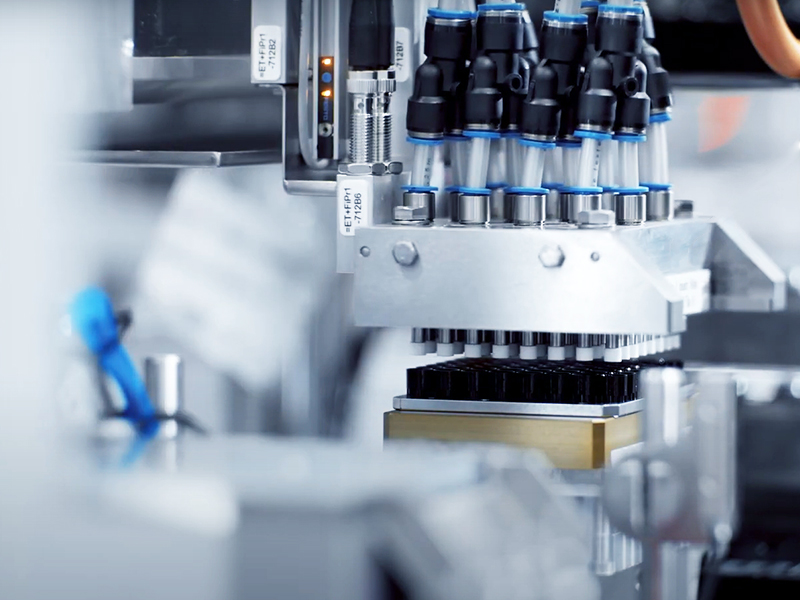
The Importance of Automated Equipment Maintenance
1. Extending Equipment Lifespan: Automated equipment typically features complex structures and comes with a high price tag; proper maintenance can effectively extend its operational lifespan. Regular inspections and servicing allow for the detection of potential fault risks, preventing the occurrence of serious mechanical or electrical failures during operation. Through maintenance, equipment components remain in good working condition, thereby avoiding malfunctions caused by component aging or wear and tear.
2. Ensuring Production Continuity and Stability: Should automated equipment fail, it directly disrupts the normal operation of the production line—potentially even leading to a complete production shutdown—and inflicts severe economic losses upon the enterprise. Through regular maintenance, issues can be identified and resolved proactively, thereby mitigating the risk of equipment downtime and ensuring the continuity and stability of production. This not only enhances equipment utilization rates but also minimizes the time wasted due to downtime caused by malfunctions.
3. Improving Production Efficiency and Product Quality: Well-maintained equipment is capable of executing production tasks with greater efficiency, minimizing errors and unnecessary downtime during the manufacturing process. Furthermore, the precision of automated equipment has a direct impact on product quality. Properly maintained equipment retains its high operational precision, ensuring consistent product quality and reducing the generation of defective goods. Regular maintenance also serves to optimize equipment performance, allowing it to operate at its peak potential.
4. Reducing Repair Costs and Safety Risks: Compared to the emergency repairs required after a sudden equipment failure, regular maintenance represents a more economical and efficient management approach. Through maintenance activities, the frequency of major equipment overhauls can be reduced, thereby lowering the costs associated with emergency repairs and component replacements. Additionally, automated equipment often involves complex electrical and mechanical systems; without regular inspection and maintenance, inherent safety hazards within the equipment could trigger workplace accidents. Regular maintenance therefore serves a dual purpose: it helps mitigate the risk of equipment failure while simultaneously ensuring the safety of the working environment.
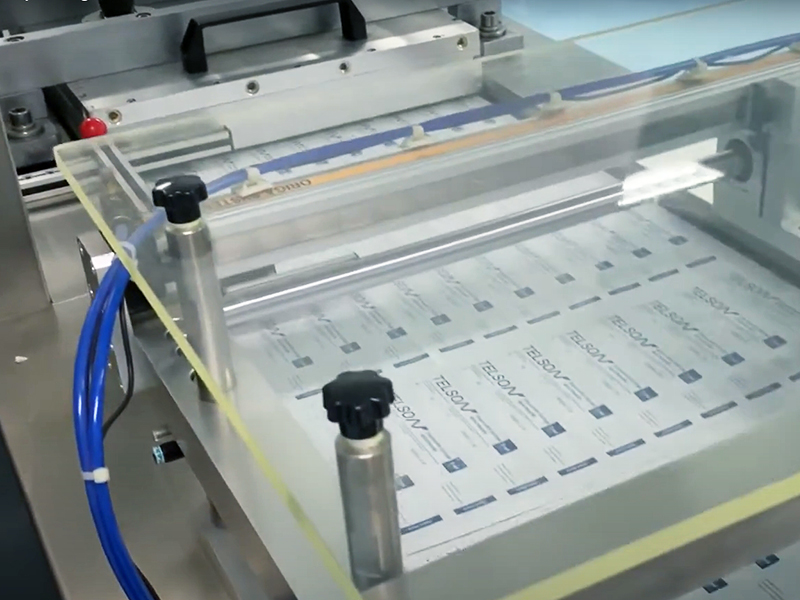
Common Maintenance Strategies for Automated Equipment
1. Preventive Maintenance: Preventive maintenance is a strategy designed to prevent equipment failure through regular inspections and upkeep. This approach involves establishing a detailed maintenance schedule to periodically inspect critical components—such as electrical systems, mechanical transmission parts, and hydraulic systems—at prescribed intervals. Through these routine inspections, potential issues can be detected early, allowing for the implementation of necessary repairs or replacements to prevent sudden equipment breakdowns during operation.
2. Predictive Maintenance: Predictive maintenance is a strategy based on the real-time condition of the equipment. By installing sensors and monitoring systems, operational data—such as vibration levels, temperature, and pressure—is collected in real time. This data is then analyzed to assess the equipment's operational status and identify any potential underlying issues. Predictive maintenance enables enterprises to accurately gauge the "health" of their equipment and take remedial actions before a problem occurs, thereby avoiding unnecessary downtime and repair work.
3. Corrective Maintenance: Corrective maintenance refers to the repair work undertaken after a piece of equipment has failed. While this approach was historically quite common, its inherent unpredictability often results in extended downtime and production interruptions. Modern enterprises increasingly favor preventive and predictive maintenance strategies to minimize the frequency of corrective maintenance. Nevertheless, when equipment failure does occur, timely and effective corrective maintenance remains an essential means of restoring production operations.
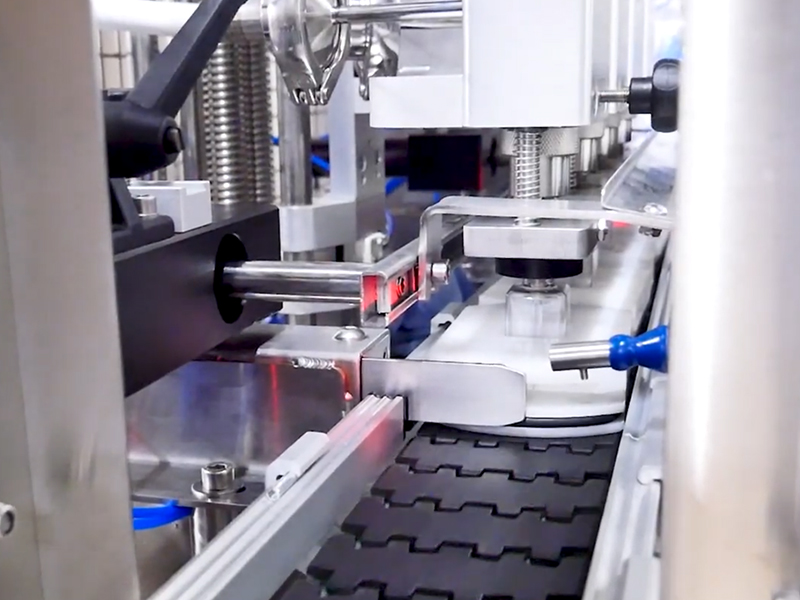
Practical Guidelines for Automated Equipment Maintenance
1. Develop a Maintenance Plan: First and foremost, enterprises should formulate a detailed maintenance plan based on equipment type, operating conditions, and production requirements. This plan should encompass daily inspection items, maintenance cycles, preventive measures, and replacement schedules for critical components. It is essential to clearly designate a person responsible for each maintenance task and ensure that all maintenance operations are thoroughly documented to establish a systematic maintenance archive.
2. Equipment Monitoring and Data Analysis: Real-time monitoring constitutes one of the core pillars of modern automated equipment maintenance. By installing sensors and data acquisition systems, operators can monitor the equipment's operational status—specifically key parameters such as current, voltage, vibration, and temperature. Analyzing this data aids in predicting potential equipment failures, thereby enabling the implementation of preventive measures. Enterprises should establish a robust equipment monitoring system and conduct regular data analyses to ensure that the equipment operates at peak efficiency.
3. Equipment Cleaning and Lubrication: Routine cleaning and lubrication are fundamental aspects of automated equipment maintenance. After prolonged operation, equipment tends to accumulate dust, grease, and other contaminants, which can compromise operational efficiency. Cleaning protocols should include the periodic cleaning of external surfaces, transmission components, electrical cabinets, and other relevant areas. Concurrently, regularly applying lubricants to the mechanical transmission components effectively reduces friction and extends the service life of individual parts.
4. Component Inspection and Replacement: During the maintenance process, particular emphasis should be placed on inspecting critical components—such as motors, sensors, and bearings. Equipment parts are subject to wear and aging over time; therefore, based on usage patterns, enterprises must promptly replace any components that are damaged or nearing the end of their service life. Special attention should be paid to the periodic inspection and maintenance of high-precision components—such as the nozzles on filling machines or the sealing mechanisms on packaging machines.
5. Regular Training and Personnel Management: The professional proficiency of maintenance personnel directly determines the quality of maintenance work. Enterprises should conduct regular training sessions for their maintenance staff to ensure they remain proficient in the latest maintenance techniques and safety protocols. Furthermore, it is crucial to ensure that equipment operators possess basic maintenance knowledge, enabling them to identify and report operational anomalies in a timely manner while the equipment is in use.
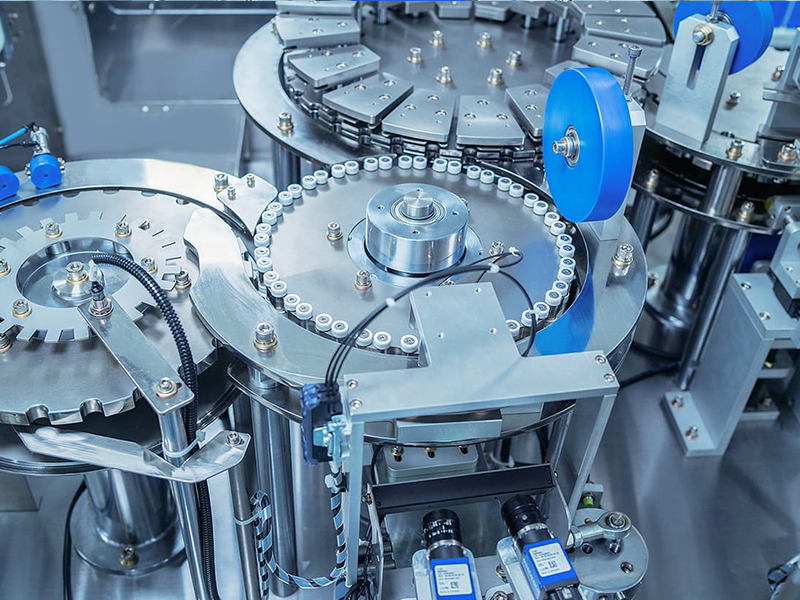
The efficient operation of automated equipment is inextricably linked to—and dependent upon—scientific and rational maintenance management. By implementing preventive, predictive, and corrective maintenance strategies, enterprises can effectively extend equipment service life, reduce maintenance costs, and enhance production efficiency. The meticulous execution of maintenance tasks and the professional training of technical personnel are also critical factors in ensuring that equipment operates in optimal condition. Amidst the wave of smart manufacturing, the maintenance of automated equipment is becoming increasingly intelligent, thereby assisting enterprises in achieving efficient, safe, and sustainable production goals.