Automatic Granule Packaging Machines: Strengthening Brand Competitiveness for Businesses
In the food, pharmaceutical, chemical, and daily chemical industries, where there is a continuous pursuit of high efficiency and standardized production, the level of automation in the packaging process has become an important indicator of a company's overall strength. Automatic granule packaging machines, with their advantages of stable and efficient operation, precise metering, and high degree of automation, are gradually becoming core equipment for manufacturers of various granular products, providing strong support for companies to increase production capacity, reduce costs, and strengthen brand competitiveness.
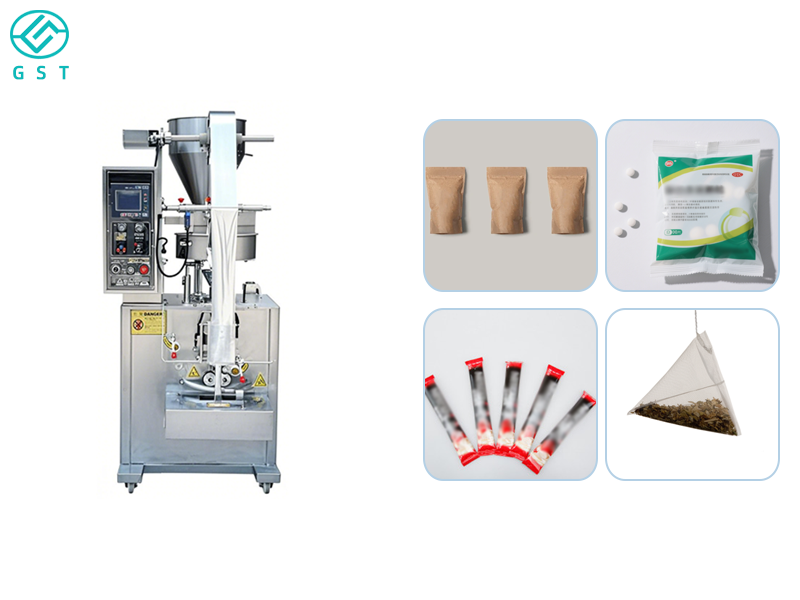
Automatic granule packaging machines are primarily used for the automatic metering, bag making, filling, sealing, and finished product output of granular materials. They are suitable for a variety of products, including food granules, pharmaceutical granules, chemical raw materials, seeds, and animal feed. The equipment can be configured with either volumetric or weighing metering systems based on the material characteristics, ensuring consistent product weight in each bag with controllable error, effectively reducing raw material waste and improving the company's production management level.
In terms of production efficiency, automatic granule packaging machines can achieve high-speed, continuous, and stable operation. One machine can complete multiple packaging processes, significantly reducing manual labor. Compared to traditional manual packaging methods, automated equipment has significant advantages in efficiency and stability, not only saving labor costs but also effectively avoiding errors caused by human operation, making the production process more controllable. This is especially suitable for companies with large order volumes and fast production cycles.
In terms of packaging quality, automatic granule packaging machines utilize mature and reliable sealing technology, resulting in flat and secure seals with excellent sealing performance, effectively preventing moisture and contamination and extending product shelf life. The uniform and standardized packaging appearance helps to enhance the overall product image, making the company more recognizable in the end market and laying a solid foundation for brand building.
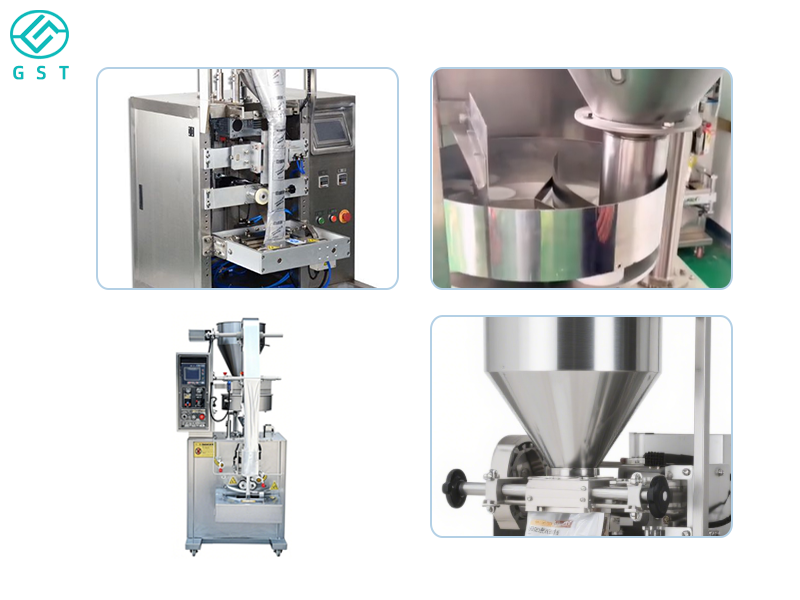
As the industry's requirements for production standards and hygiene continue to increase, modern automatic granule packaging machines pay more attention to safety and cleanliness in their structural design and material selection. The entire machine mostly uses stainless steel structures, complying with relevant production standards in the food, pharmaceutical, and other industries. Key components are easy to disassemble and clean, effectively reducing the risk of cross-contamination and meeting the company's factory inspection and quality control needs.
In practical applications, different industries and different materials have varying configuration requirements for automatic granule packaging machines, making the flexibility and customizability of the equipment particularly important. GST, as a professional brand in the field of automated packaging equipment, has long focused on the research and development and manufacturing of automatic granule packaging machines and related automated production lines. We provide stable and reliable customized solutions based on customers' material characteristics, packaging specifications, and production capacity targets, helping customers quickly achieve automated packaging upgrades.
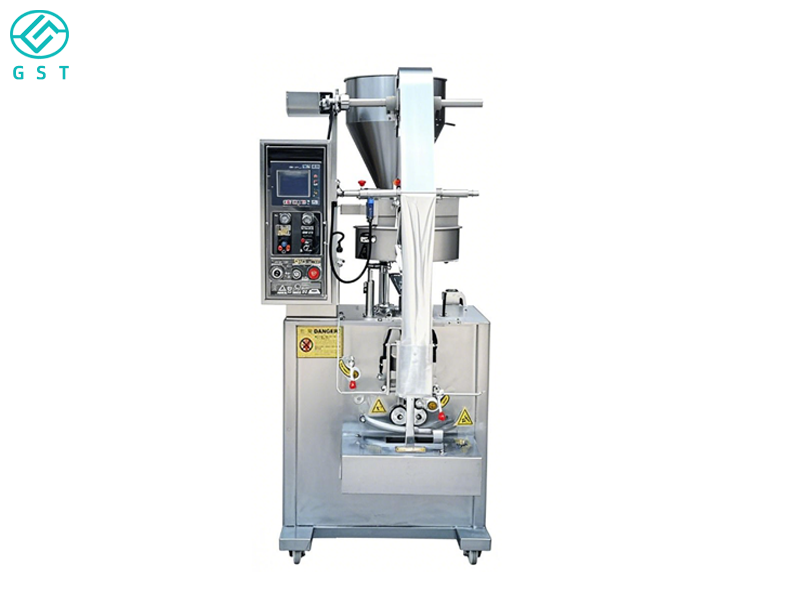
From a long-term development perspective, introducing a high-performance automatic granule packaging machine can not only improve current production efficiency and packaging quality but also help enterprises build an automated and intelligent production system. With increasing market competition and continuously rising labor costs, automatic granule packaging machines will play a crucial role in more industries, creating greater value for enterprises in achieving cost reduction, efficiency improvement, and sustainable development.